
An occasional failure does not equal ED; the diagnosis of erectile dysfunction (ED) is far more complex than "getting hard or not".
This is one of the most common questions in the andrology clinic: "Doctor, do I have ED?"
This article explains how ED is actually diagnosed in a proper hospital, and why "objective assessment" is the first step toward scientific treatment.
1
The Medical Definition of ED
According to the Chinese Guideline for the Diagnosis and Treatment of Erectile Dysfunction:
A penis fails to achieve or maintain an erection sufficient for satisfactory sexual activity for a persistent period (usually at least 3 months).
Three key words: persistent for at least 3 months, failure to achieve or maintain, and affected satisfaction.
Therefore, an occasional failure after overtime work or a "nervous failure" in a poor state does not belong to ED in the medical sense — there is no need for excessive anxiety.
2
ED Is Not Always a "Psychological Problem"
Many people attribute ED to "stress or poor condition", but the real data tell a different story:
About 60% of ED patients have organic factors (vascular, neurological, endocrine, etc.)
There are five common organic causes:
▍ Vascular: atherosclerosis, penile microvascular disease
▍ Neurogenic: diabetic neuropathy, postoperative nerve injury
▍ Endocrine: low testosterone, hypothyroidism, etc.
▍ Drug- or disease-related: certain antihypertensives, antidepressants, etc.
▍ Mixed: psychological and organic factors combined
That is why "finding out the cause" matters more than "simply prescribing medication".
3
The Three-Step Diagnostic Pathway for ED
A proper hospital usually assesses ED in three steps:
Step 1: Questionnaire Assessment
The most commonly used tool is the IIEF-5 (International Index of Erectile Function-5) — 5 questions scoring your erectile function over the past 3 months:
Confidence in achieving and maintaining an erection
Frequency of maintaining an erection after penetration
▍ Difficulty in maintaining an erection
▍ Satisfaction with intercourse
▍ Overall satisfaction with sexual life
The score gives a preliminary severity estimate: 22-25 is normal, 12-21 mild, 8-11 moderate, and 5-7 severe.
Step 2: Basic Laboratory Tests
Blood tests including testosterone, blood glucose, blood lipids and thyroid function — to identify reversible endocrine causes.
Step 3: Objective Testing — the "Gold Standard"
If the above steps are still inconclusive, Nocturnal Penile Tumescence and Rigidity (NPTR) monitoring is used — the internationally recognized "gold standard" for distinguishing psychogenic ED from organic ED.
The logic is simple:
Normal erections during sleep (indicating intact vascular and neural pathways) → highly suggestive of psychogenic ED
Markedly weakened or absent nocturnal erections → highly suggestive of an organic problem

4
The Rigidity Scanner: Turning "How Hard" into Numbers
In the past, nocturnal erectile monitoring devices were mostly imported, expensive and complicated to operate. In recent years, domestic medical equipment has made breakthroughs in objective assessment.
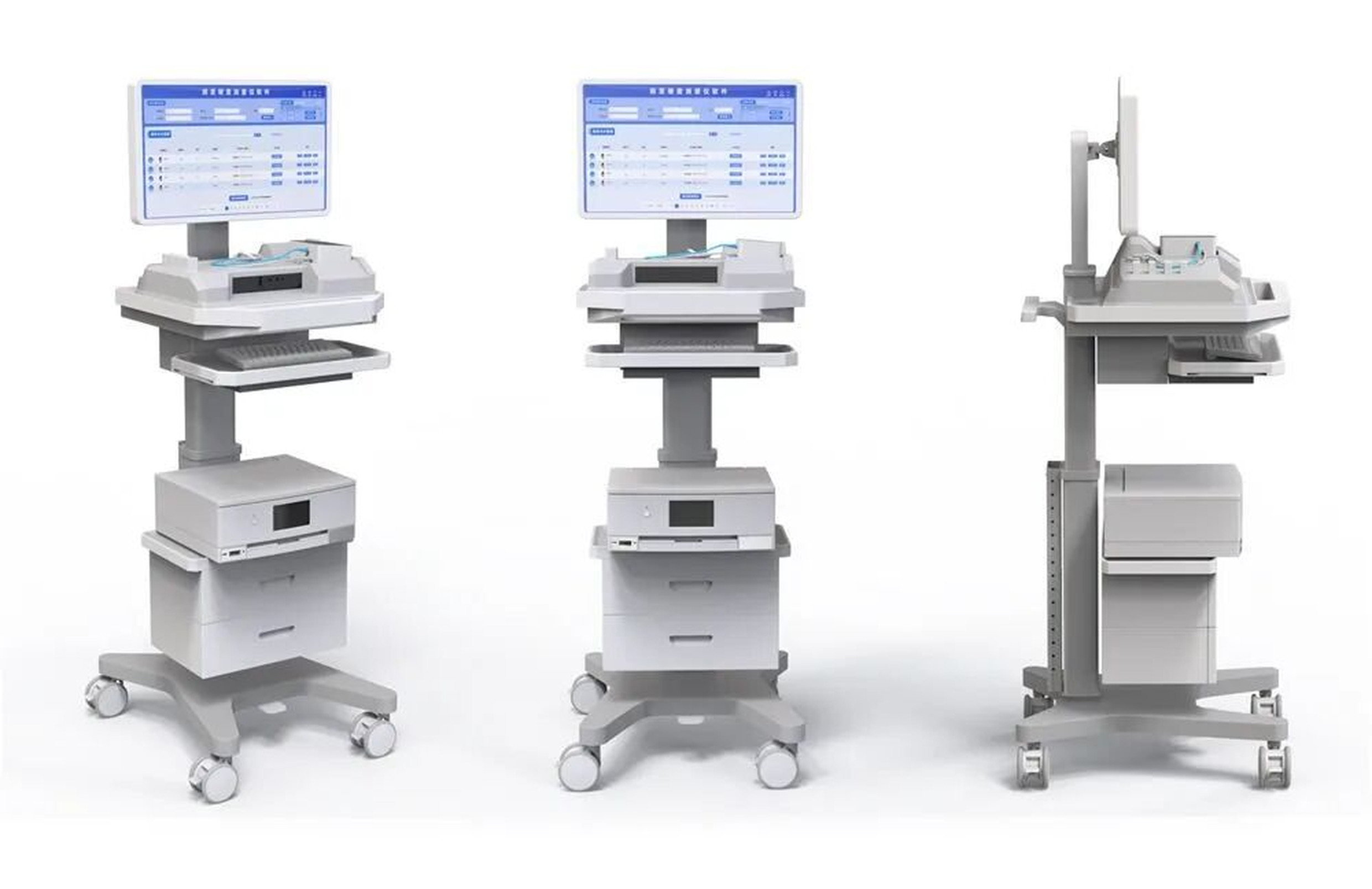
Take the JH-ED1100 rigidity scanner developed by Beijing WBL Medical Device Co., Ltd. as an example:
▸ Measurement method: the internationally recognized pull-wire method for precise quantification
▸ Monitoring modes: NPTR nocturnal monitoring + AVSS daytime audio-visual sexual stimulation, dual modes
▸ Measurement range: circumference 50-130 mm, rigidity 0-100%
▸ Continuous monitoring: up to 8 hours, covering the complete nocturnal sleep cycle
▸ Measurement error: ≤±20%, clinically reliable
Its value lies not only in "diagnosis" but in forming a complete loop of "testing - treatment - post-treatment re-testing": typing before treatment, monitoring response during treatment, and evaluating outcome after treatment — moving ED care from experience-based to data-based.
5
From a Single Device to a Whole Cabin
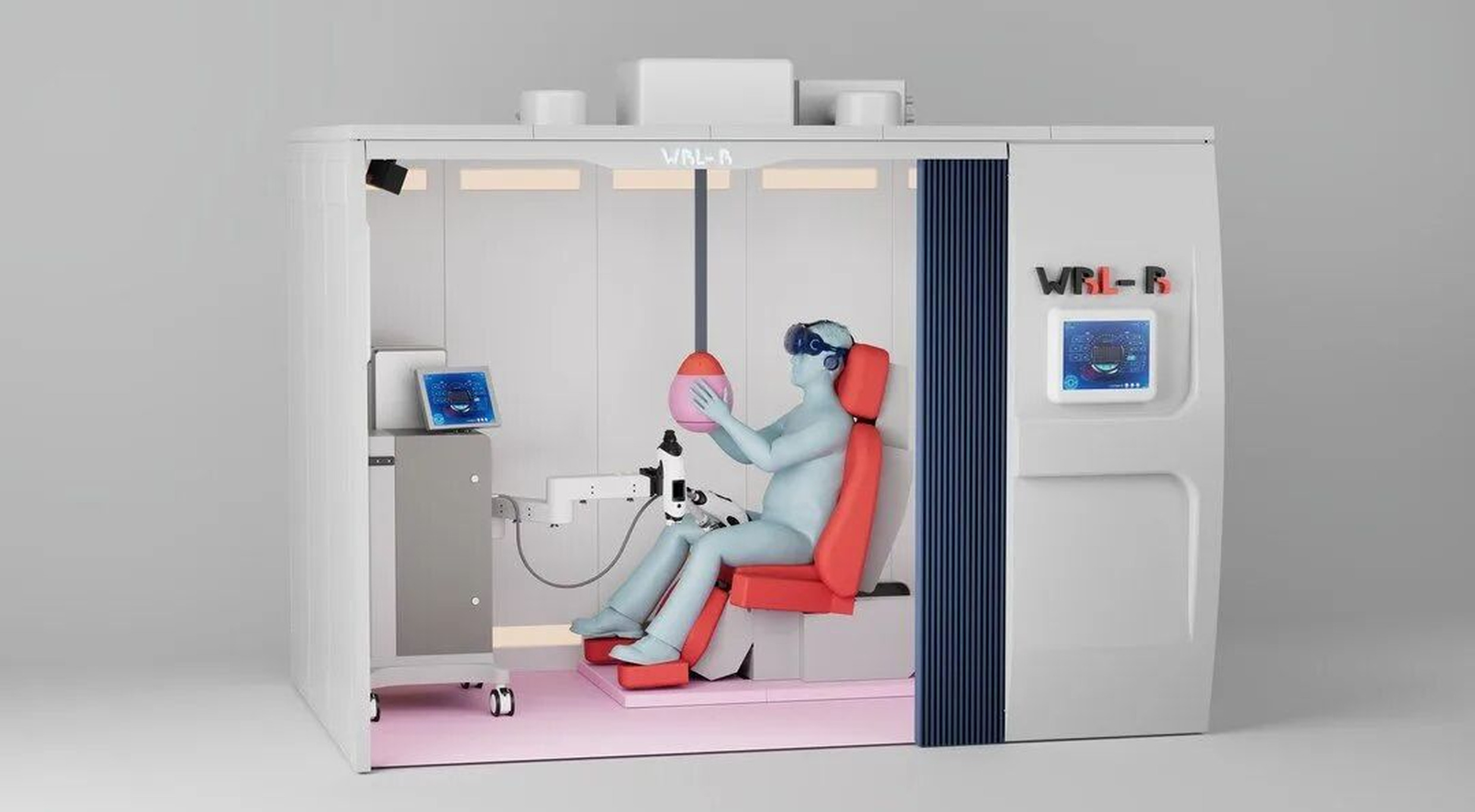
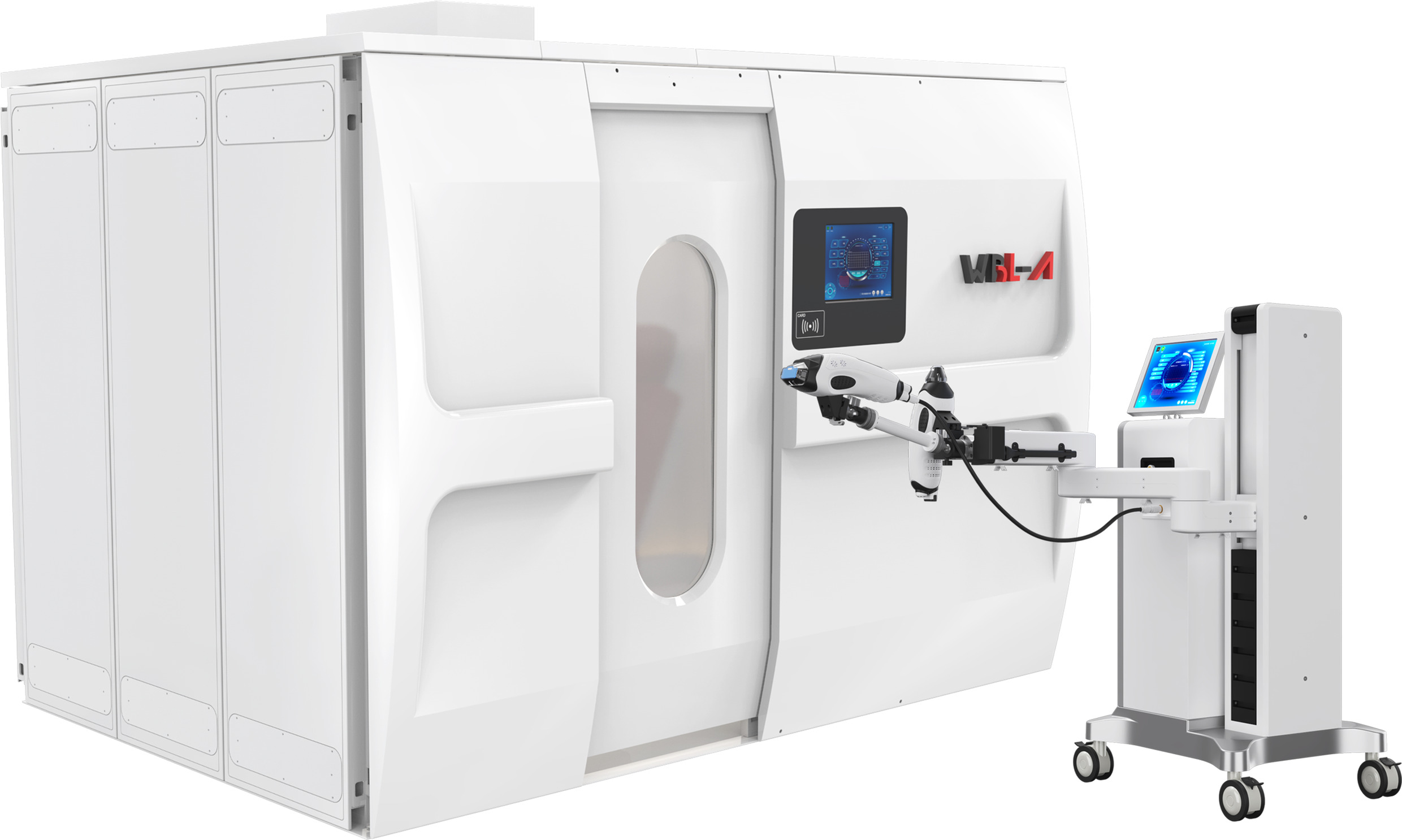
In WBL’s product line, assessment and treatment are evolving from a single device to an integrated space — the "ED Cabin" (WBL LIPUS treatment cabin) configured in medical institutions.
Product Positioning: an Innovative Device, Not a Clinical Testing Protocol
What this section discusses is an innovative device still under development, not an established clinical testing protocol. Device-level exploration may proceed first, but the word "protocol" must be earned through rigorous clinical research — this distinction needs to be kept clear in wording.
Existing Cabin Configuration: Panoramic VR and the VR Ball
After entering the cabin, the patient wears a VR headset and first relaxes in an immersive panoramic scene to ease the tension of a hospital visit; the VR ball in the cabin extends the experience from "watching" to "holding and interacting", helping the patient cooperate with the following procedures more calmly.
VR is not merely an added experience element. The causes of ED are often an interweaving of psychological and organic factors, and building psychological soothing into the space design is part of this product concept.
The VR Ball: Four Core Designs
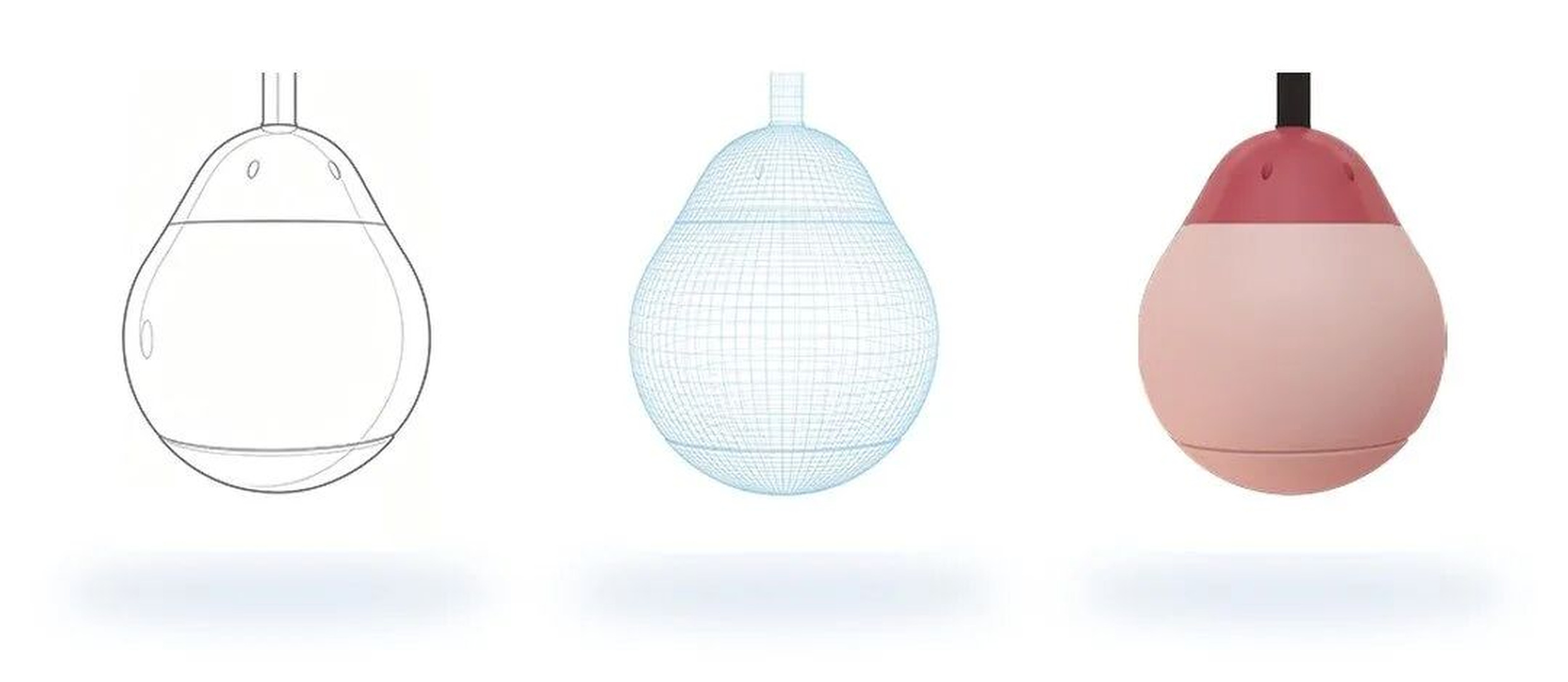
The VR ball in the cabin is designed around "authenticity" in four aspects:
▍Skin-friendly silicone
realistic touch
▍Constant-temperature design
authentic experience
▍Pressure sensation and vibration
biological perception
▍Gyroscope positioning
multi-posture adaptation
Combination Concept: the VR Ball and the Rigidity Scanner in One Cabin
Combining the VR ball and the JH-ED1100 rigidity scanner in one independent, private cabin changes not the devices themselves but their environment: rigidity monitoring and interaction in an immersive scene can be completed in the same space. The question this combination tries to answer is not complicated — whether the observation of non-psychogenic (organic) factors can be closer to the patient’s real state, rather than limited to a few minutes on the examination bed.
⚠ Boundary note:the combination described in this section is an innovative device concept, not a clinical testing protocol, and constitutes no diagnostic or therapeutic basis. For a device to become an adoptable "protocol", rigorous clinical research is required; no published clinical study currently supports its detection performance. Specific functions are subject to the product registration certificate and instructions for use.
Three Types of Cabins, Freely Combinable
▍ Assessment cabin: centered on the rigidity scanner, measuring rigidity and sensitivity to clarify the ED type
▍ Treatment cabin: LIPUS therapy + panoramic VR + psychological counseling for a non-invasive treatment course
▍ VR ball cabin: an immersive space centered on VR ball interaction
The three spaces can be freely combined according to the institution’s site and patient needs: first clarify the type in the assessment cabin, then complete the treatment course in the treatment cabin, so that assessment, treatment and re-evaluation form a closed loop within one system.
This article is a popular-science explanation of the device and space composition; its clinical value and actual scope of application remain to be verified by further research.
6
The Logic of Treatment After a Clear Diagnosis
With an objective diagnosis, treatment gains a direction — different types of ED correspond to different pathways:
▍ Psychogenic ED: psychological counseling + behavioral training + short-term medication support
▍ Vascular ED: controlling hypertension, hyperlipidemia and hyperglycemia + micro-energy repair (LIPUS) + medication when necessary
▍ Neurogenic ED: glucose control + neurotrophic support + physical therapy
▍ Endocrine ED: correcting hormone levels + treating the primary disease
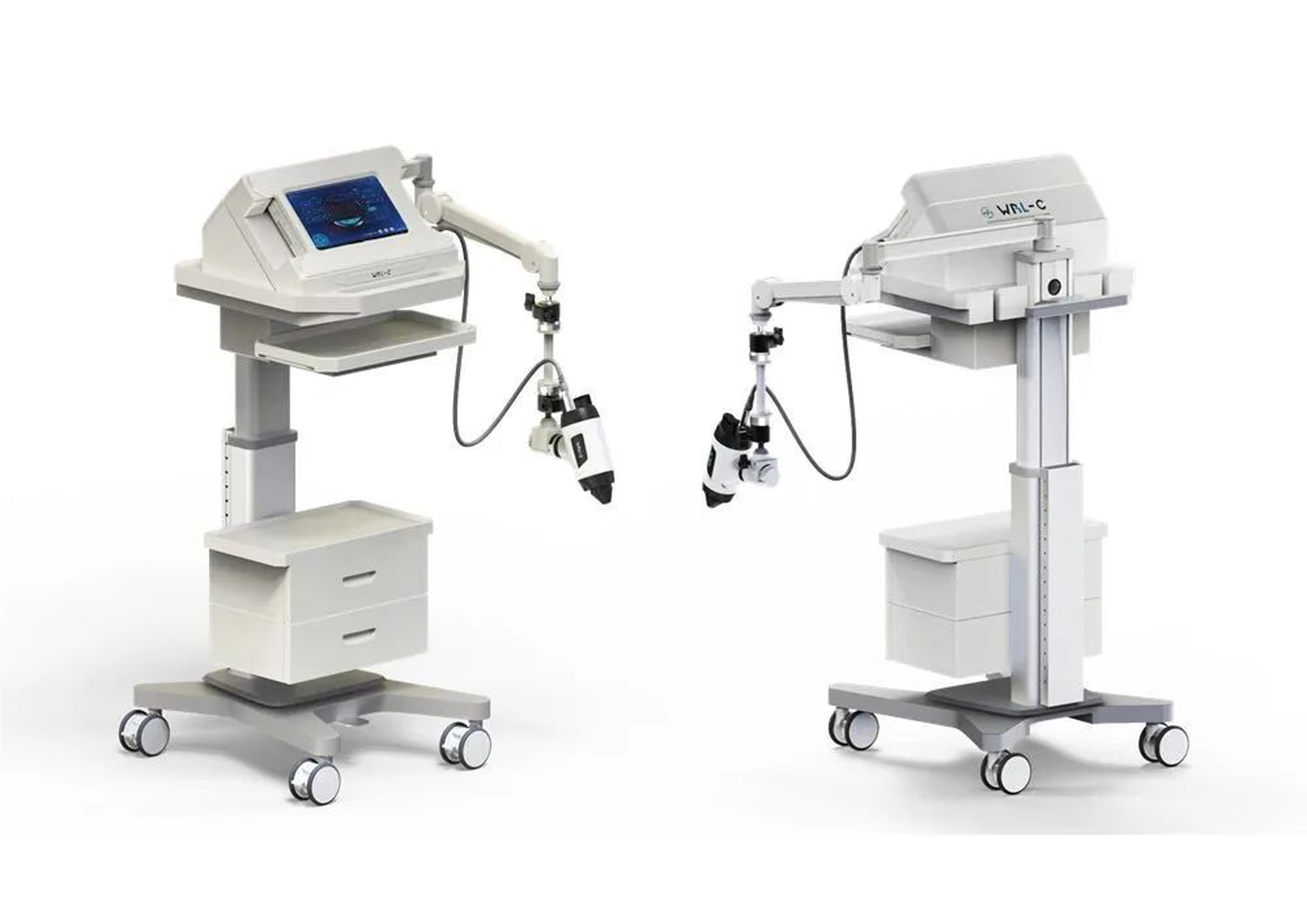
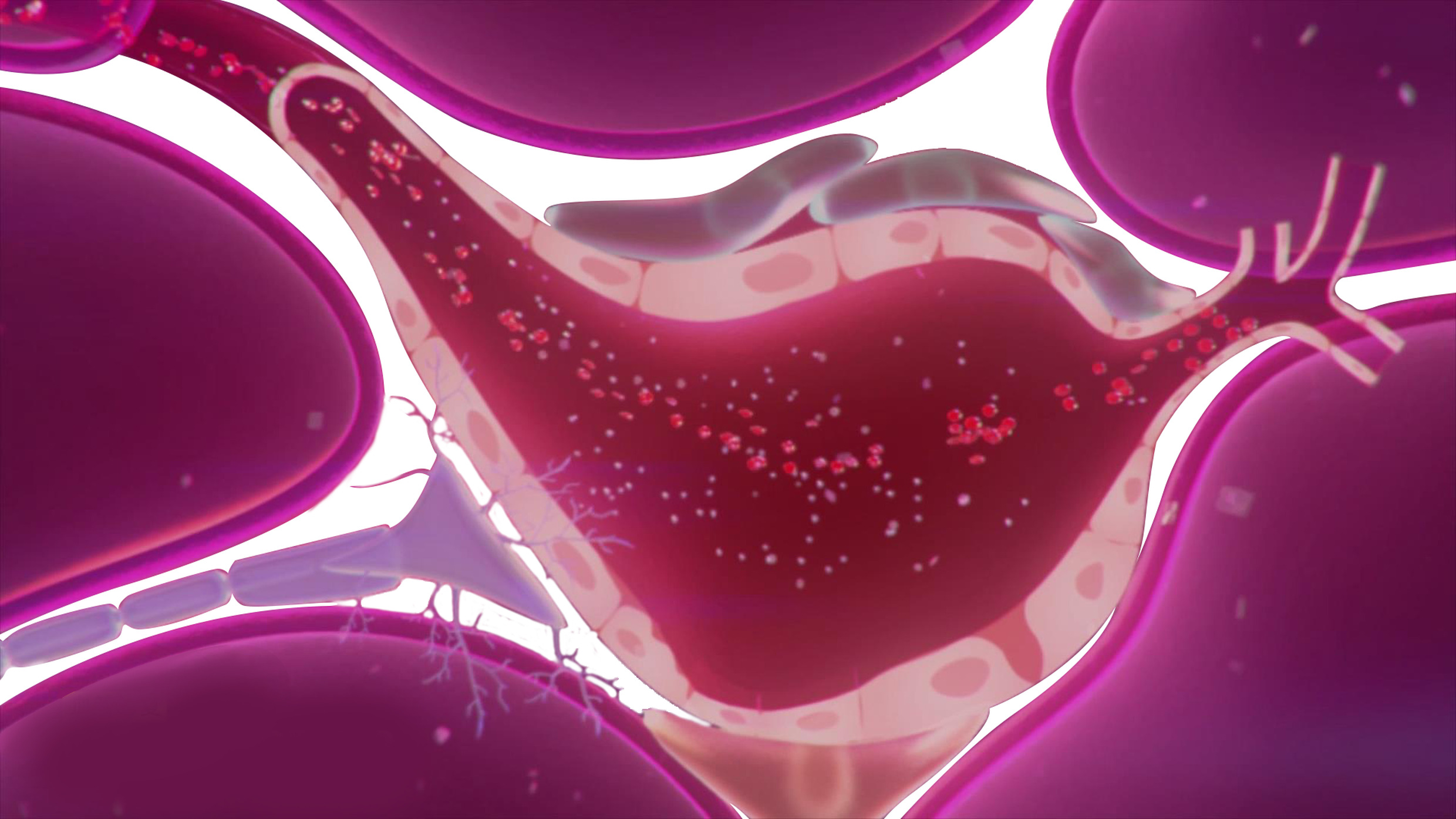
Among these options, Low-Intensity Pulsed Ultrasound (LIPUS), as a new "non-invasive regeneration" therapy, has been included in the 2024 Chinese Expert Consensus on LIPUS Therapy for Erectile Dysfunction.
A 120-case, multicenter, randomized, double-blind, sham-controlled study published in Translational Andrology and Urology in 2019 showed that among men with mild-to-moderate ED, about 71% of patients achieved a clinically meaningful improvement in IIEF-EF scores; the therapy is also non-invasive, painless, and can be combined with medication.
The WBL WBL-ED therapy platform delivers 1.7 MHz, 0.3 W/cm², 200-microsecond pulses at a 1:4 duty cycle, acting on the penile corpora cavernosa non-invasively and promoting the endogenous repair of blood vessels, nerves and smooth muscle — different from on-demand medication.
7
A Low Self-Test Score Is Not the End: New Evidence from the Latest Paper
As mentioned above, an IIEF-5 score of 5-7 falls into the "severe" range. Treatment options for this group used to be the most limited — oral medications are less effective, and surgery is invasive and irreversible.
But new clinical evidence is changing this: in September 2026, a LIPUS clinical study on severe ED was published in Current Urology, an international urology journal.
▍Paper at a Glance
Research team: Department of Urology and Andrology, Shanghai General Hospital, Shanghai Jiao Tong University School of Medicine
Topic: a prospective study of LIPUS for severe ED with 3-year follow-up
Journal: Current Urology, an international urology journal, peer-reviewed
Therapeutic device: WBL WBL-ED therapy device, extracorporeal and non-invasive
The study enrolled 43 men with severe ED who completed the standard treatment course, receiving extracorporeal non-invasive therapy twice a week for 4 weeks (8 sessions in total). Key results:
IIEF-EF score: 6.98 → 14.53
A mean increase of 7.56 points
EHS rigidity median: grade 1 → grade 3
The proportion with morning erections rose from 54.8% to 81.0%
51.2% of participants reached the "minimal clinically important difference" (≥7 points), an improvement of clinical significance
At about 3-year follow-up (20 participants): 80% could achieve penetration, 65% could maintain an erection to complete intercourse, and 70% reported subjective improvement
This means: an objective assessment finding of "severe" does not mean "giving up". The value of diagnosis lies precisely in clarifying the type, so that new treatment pathways can be explored.
⚠ Boundary note:this is a single-arm, exploratory observational study with participant attrition; the data reflect within-group trends and still require verification by larger-sample, randomized controlled studies. It is not an announcement that "severe ED has been conquered", but it does offer a new research direction worth pursuing for this population.
Moreover, this is not an isolated publication — the evidence for LIPUS in ED has been accumulating year by year:
From mild-to-moderate to severe, from randomized double-blind to single-arm prospective — the evidence keeps advancing, but the designs differ, and so does the applicability of each conclusion.
8
Four Steps for Those Who Suspect ED
If you suspect ED, start with these four steps:
① Self-observation first: have the symptoms lasted more than 3 months?
② Complete an IIEF-5 self-assessment: available from hospitals or authoritative accounts
③ Visit a proper hospital: urology or andrology, checking blood glucose, lipids and testosterone
④ Objective rigidity assessment when necessary: to clarify psychogenic vs organic causes
Summary
ED is not a "vague feeling" but a medical problem that can be quantified, classified and treated. The first step of science is to replace guessing with data.
This article is for health education only and does not constitute any diagnostic or therapeutic advice; please consult a professional physician for specific treatment plans.