
CAA2026 · The 25th Congress of Andrology, CMA · Jinan
WBL Releases the LIPUS Academic Literature Collection
A collection of 15 studies, featuring the 3-Year Follow-Up Study in Severe ED
On-site Release · Oct 29 – Nov 1, 2026
From October 29 to November 1, 2026, the 25th Congress of Andrology of the Chinese Medical Association was held at the Shandong Building in Jinan. Under the theme "Inheriting Innovation, Digital-Intelligence Empowerment: Building a New Paradigm for High-Quality Development in Andrology", urology and andrology colleagues from across the country gathered in Jinan to exchange the latest diagnostic and therapeutic technologies and clinical research in male sexual dysfunction, prostate diseases and related fields.
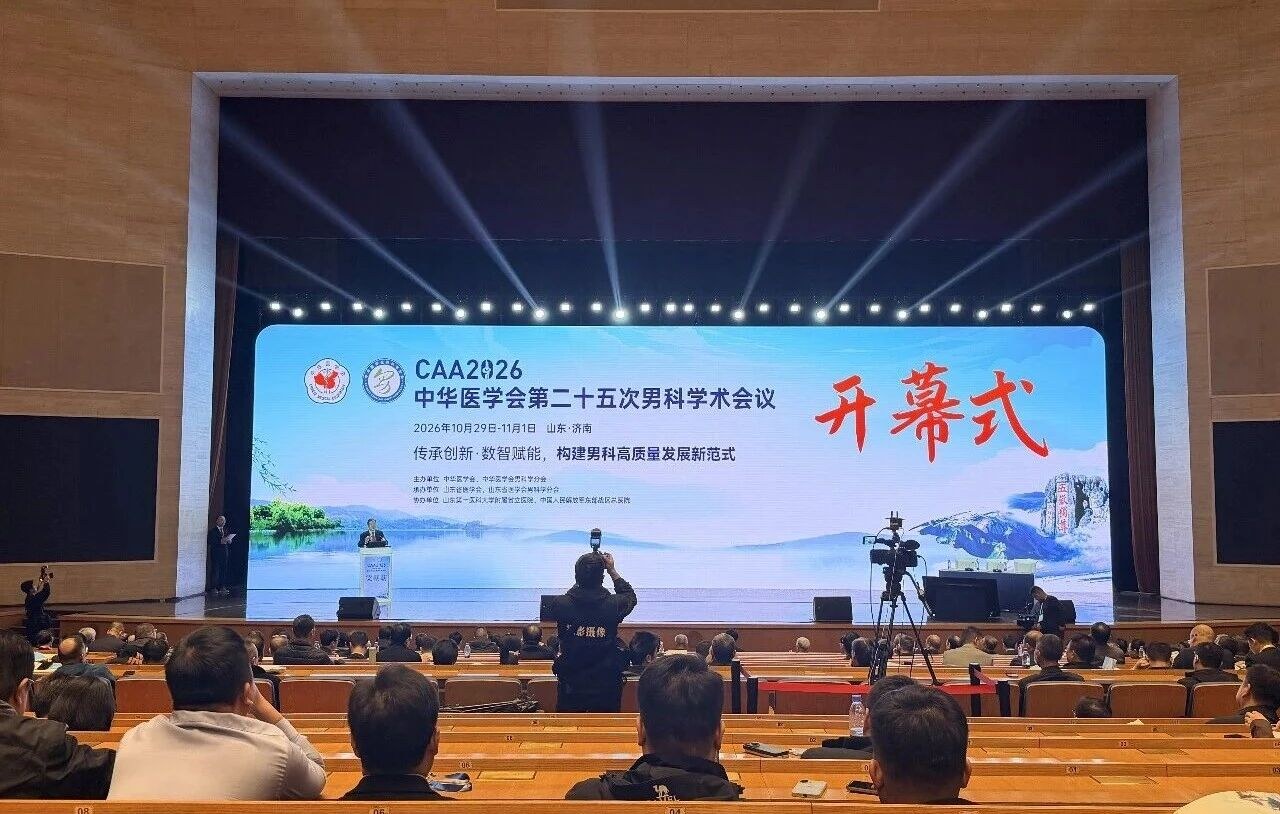
Fig. 1 · The 25th Congress of Andrology, CMA opens in Jinan
WBL exhibited at Special Booth A07, Golden Hall. Unlike previous editions centered on device display, the booth's core program this year was a single release — the on-site debut of the WBL LIPUS Academic Literature Collection. Over the four-day congress, the booth received successive groups of experts and colleagues. Professor Li Zheng presented the clinical studies on site and signed copies of the collection for visiting colleagues.
01THE VENUE
WBL Special Booth
WBL's Booth A07 was a custom-built special booth. A white therapy capsule and a blue key visual defined its look, and five devices were arranged along three stations: screening, assessment and treatment. The WBL LIPUS-ED Therapy Capsule (Model A) creates an independent, private treatment space in capsule form; the Low-Intensity Pulsed Ultrasound device WBL-ED-BX features a trolley-mounted portable design; the Extracorporeal Pulsed Ultrasound Pelvic Floor Therapy Platform addresses chronic pelvic floor pain syndrome (CPPS) and related indications; the Prostate Field-Effect Ablation Unit (HA-100) complements the ED devices; and the Penile Rigidity Meter (JH-ED1100) provides quantitative evidence for etiological differentiation and efficacy assessment. A stand with printed copies of the WBL LIPUS Literature Collection was set up at one side of the booth for experts to browse and take away.
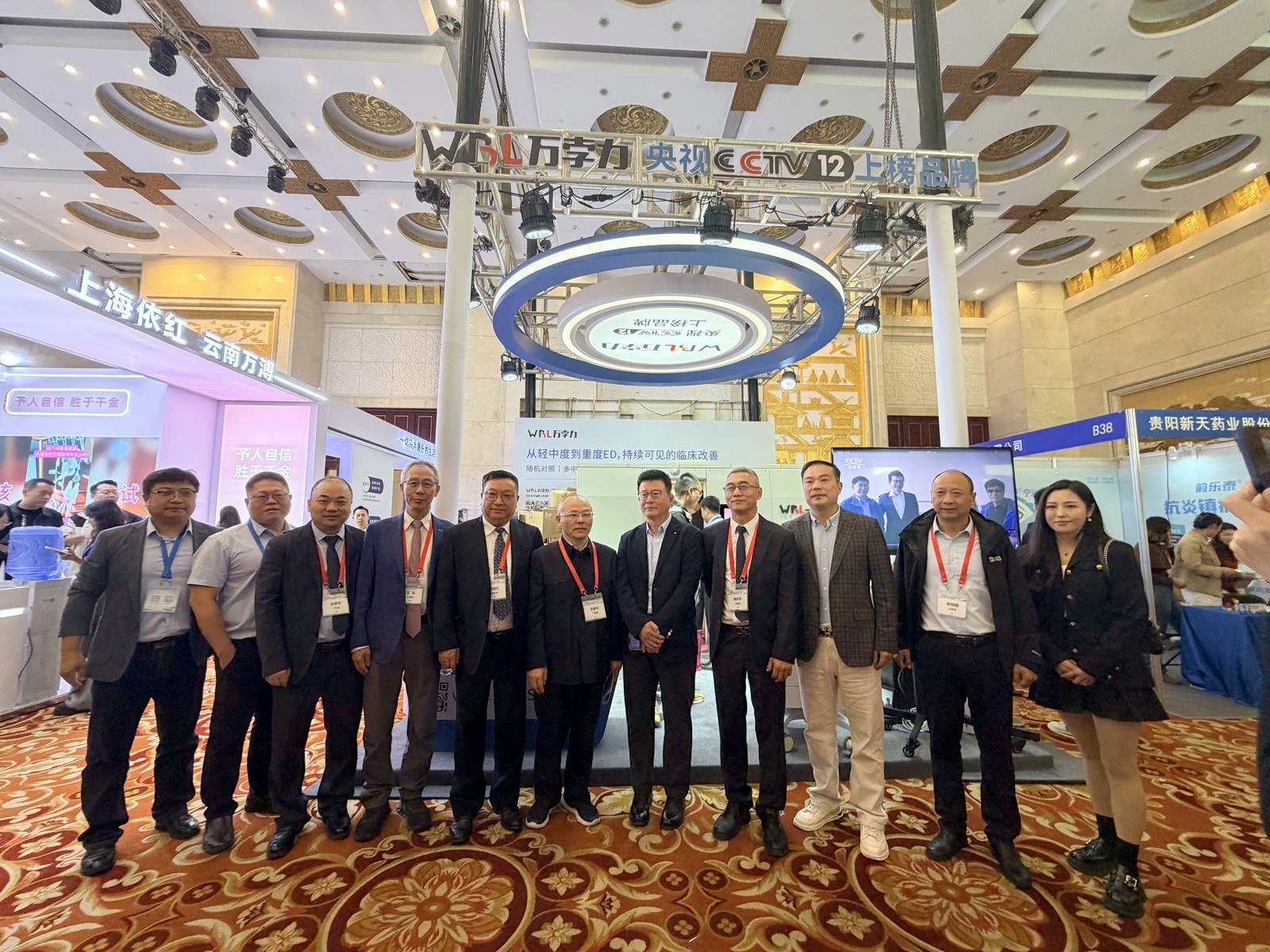
Fig. 2 · Groups of experts and scholars visited the WBL booth for discussions and group photos
Throughout the congress, foot traffic at the WBL booth rarely let up: more than one delegation arrived as a group, and visitors kept coming at all hours. Some came specifically for the Literature Collection and leafed through it page by page at the stand; some asked about treatment parameters and session scheduling in front of the devices; others sat down and completed a full in-capsule experience.This is precisely what a special booth is for — it brings the evidence, the devices and the visitors into the same space.。
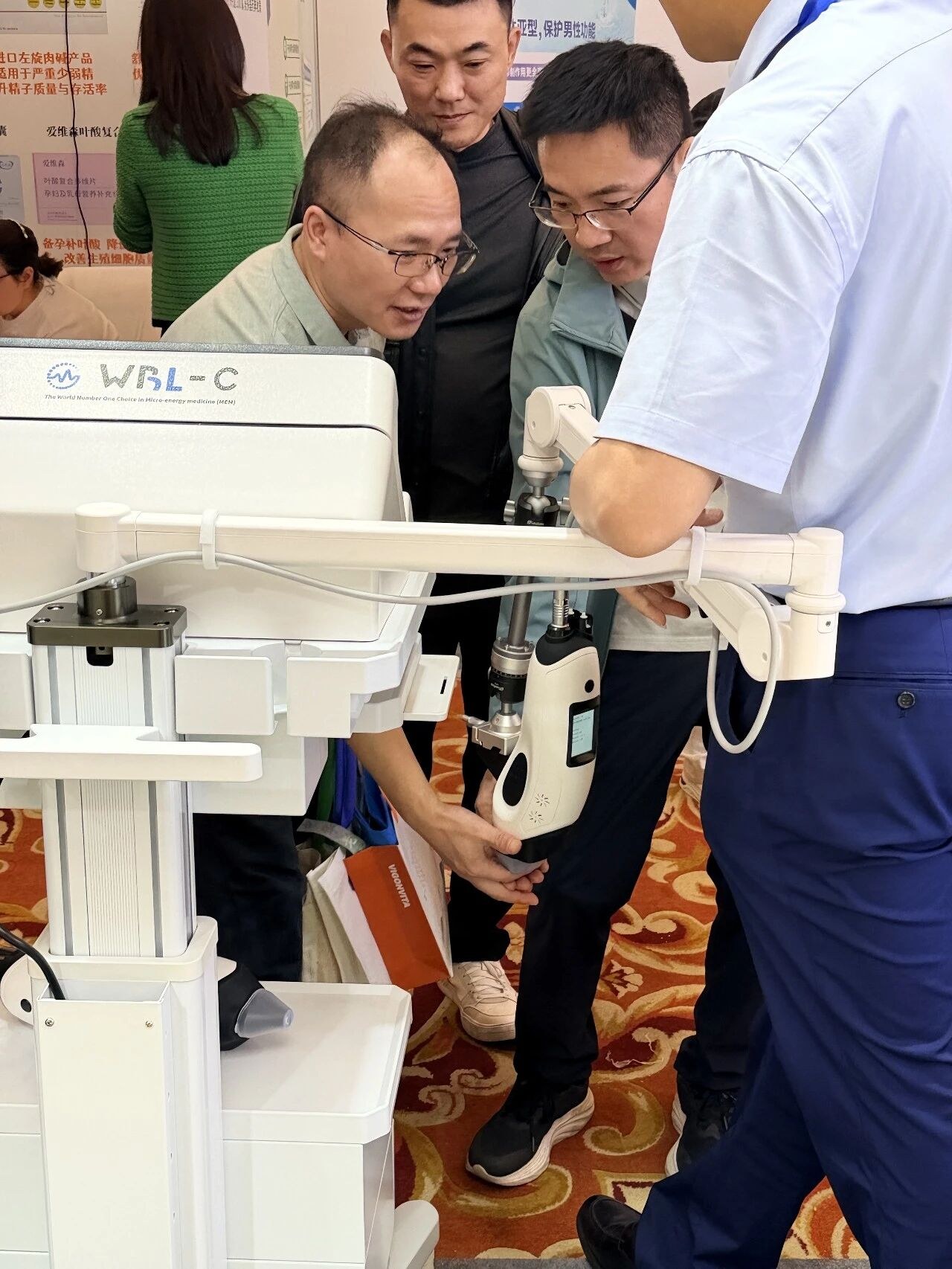
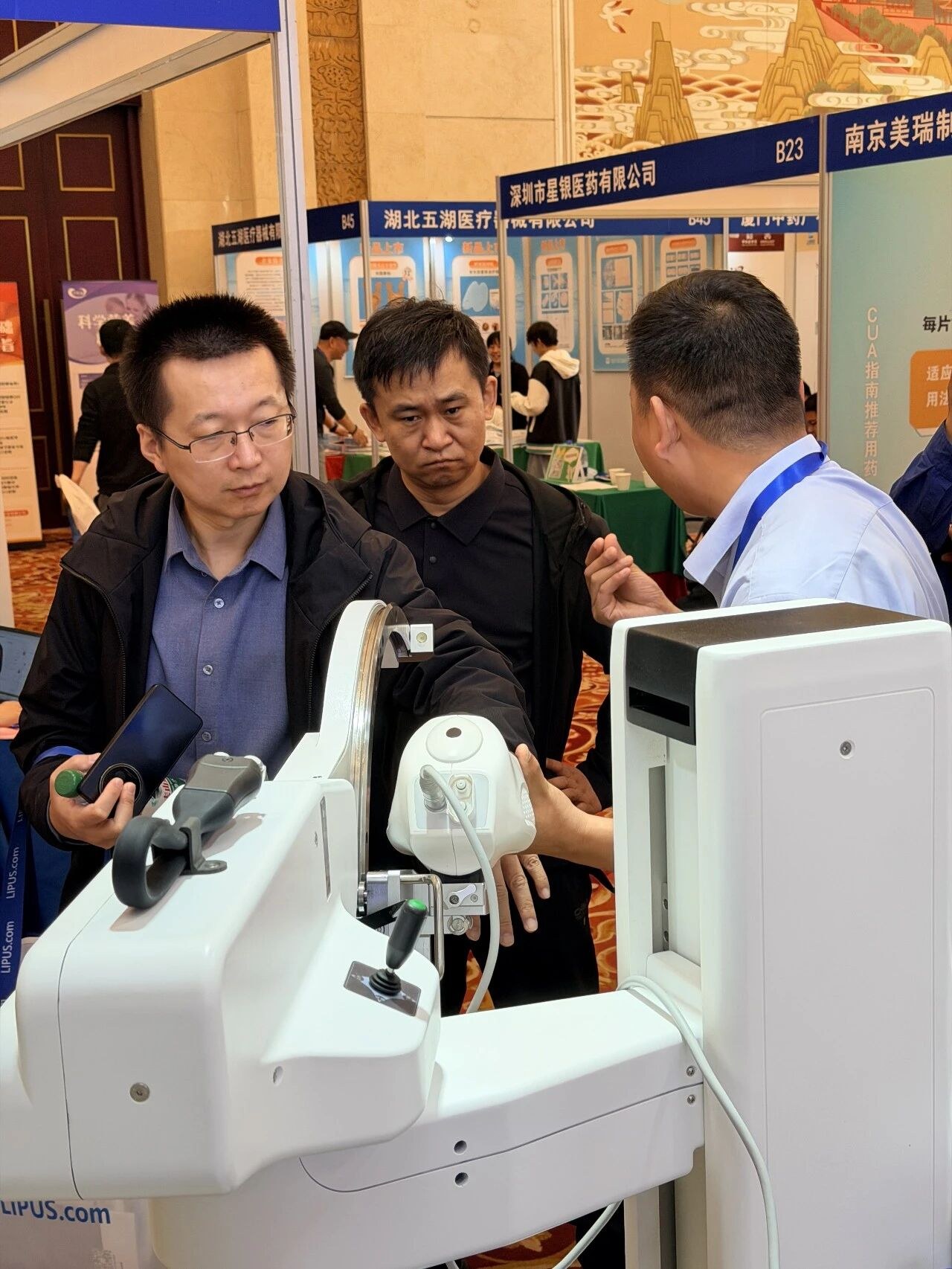
Fig. 3 · The WBL team introduces the device lineup and treatment protocols
02ON-SITE LECTURE
On-site Presentation: Two Clinical Studies
Unlike conventional booths built around parameter demonstrations, the core program at the WBL booth was the on-site academic presentation. In front of the booth's large screen, Professor Li Zheng of Shanghai General Hospital, Shanghai Jiao Tong University School of Medicine, gave a systematic review of the clinical evidence for LIPUS.
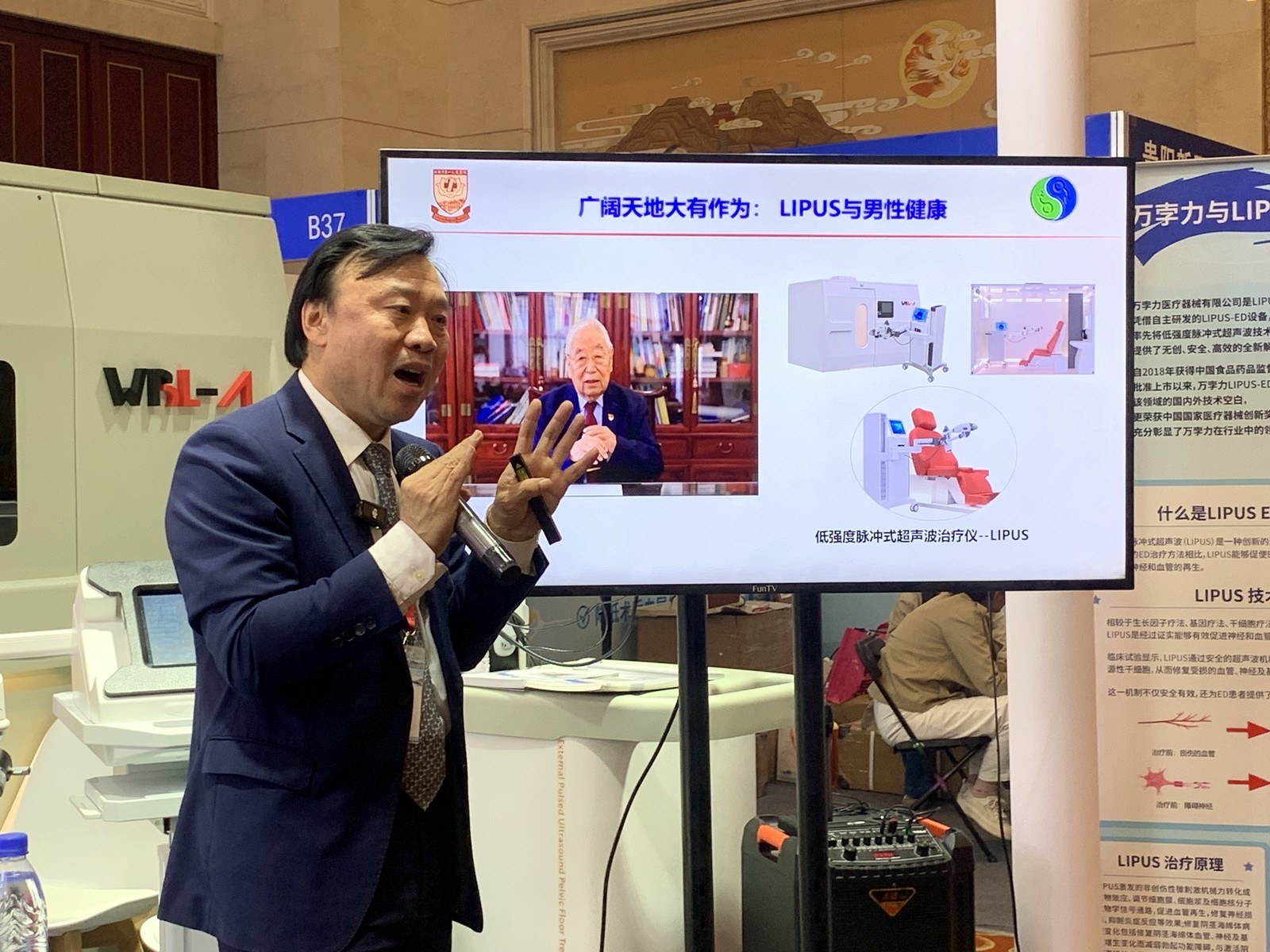
Fig. 3 · Professor Li Zheng presents the LIPUS clinical studies at the WBL booth
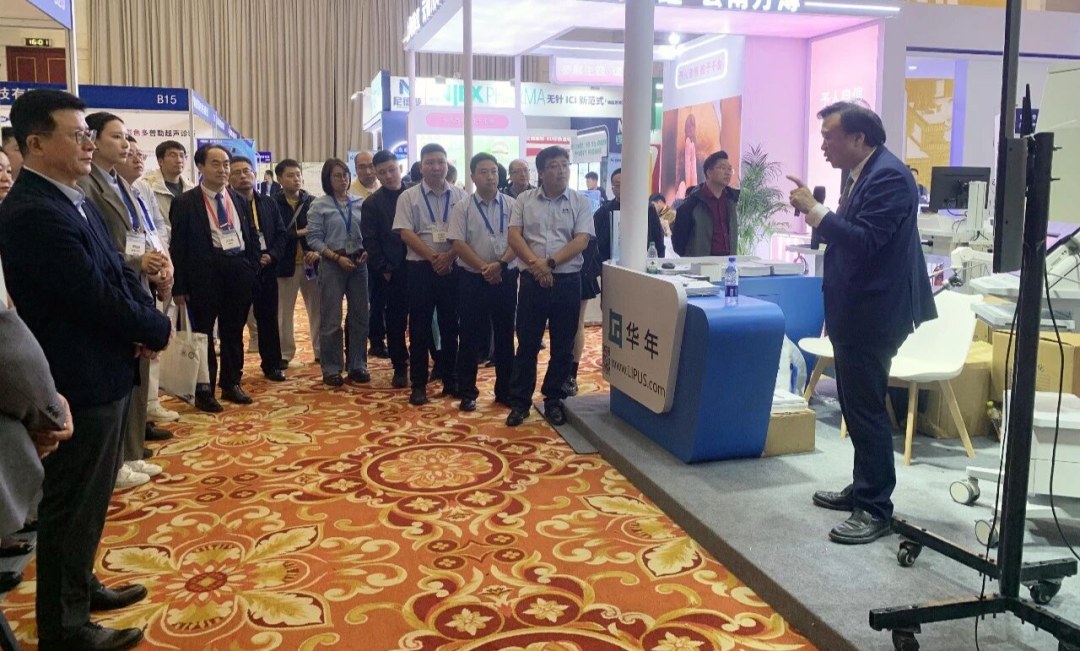
Fig. 4 · A delegation attends Professor Li Zheng's briefing on the LIPUS clinical studies at the booth
The first study addressed mild-to-moderate ED: a randomized, multicenter comparison of different treatment frequencies that enrolled 320 patients. Results showed comparable efficacy between the 3-sessions/week and 2-sessions/week protocols, with treatment safe and effective; the paper was published in The Journal of Sexual Medicine. It answers the question most frequently asked in clinical practice: how dense should the treatment schedule be?
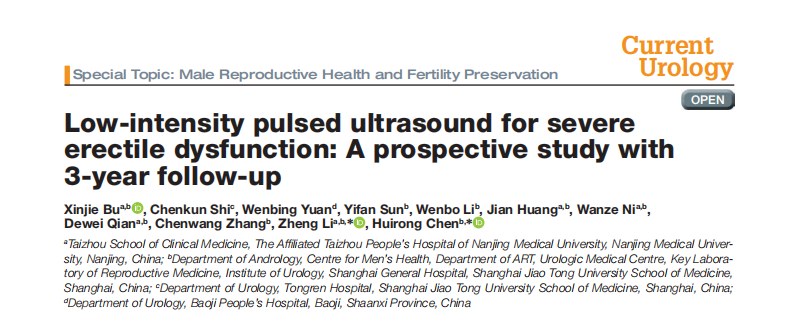
The second is the 15th study in the collection — the 3-year follow-up study in severe ED. Launched in September 2020, the study enrolled 52 patients with severe ED, of whom 43 completed the standard regimen: 2 sessions per week for 4 consecutive weeks, 8 sessions in total, assessed at week 8. Treatment was delivered with the WBL-ED device and ED-ZLT-F applicator to the left and right penile shafts and crura, 5 minutes per site, 20 minutes per session.
+7.56
IIEF-EF gain (points)
51.2%
Reaching MCID
Grade 1 → 3
EHS median
65%
3-year maintenance
The three outcome measures corroborate one another: the IIEF-EF score rose from a baseline of 6.98 to 14.53,a mean gain of 7.56 points (p<0.001) and 22 cases(51.2%) reached the minimal clinically important difference threshold of ≥7 points; the median erection hardness score (EHS) rose from grade 1 to grade 3; and the proportion reporting morning erections increased from 54.8% to 81.0%. Treatment-related pain VAS scores were 0 throughout, and no adverse events were recorded.
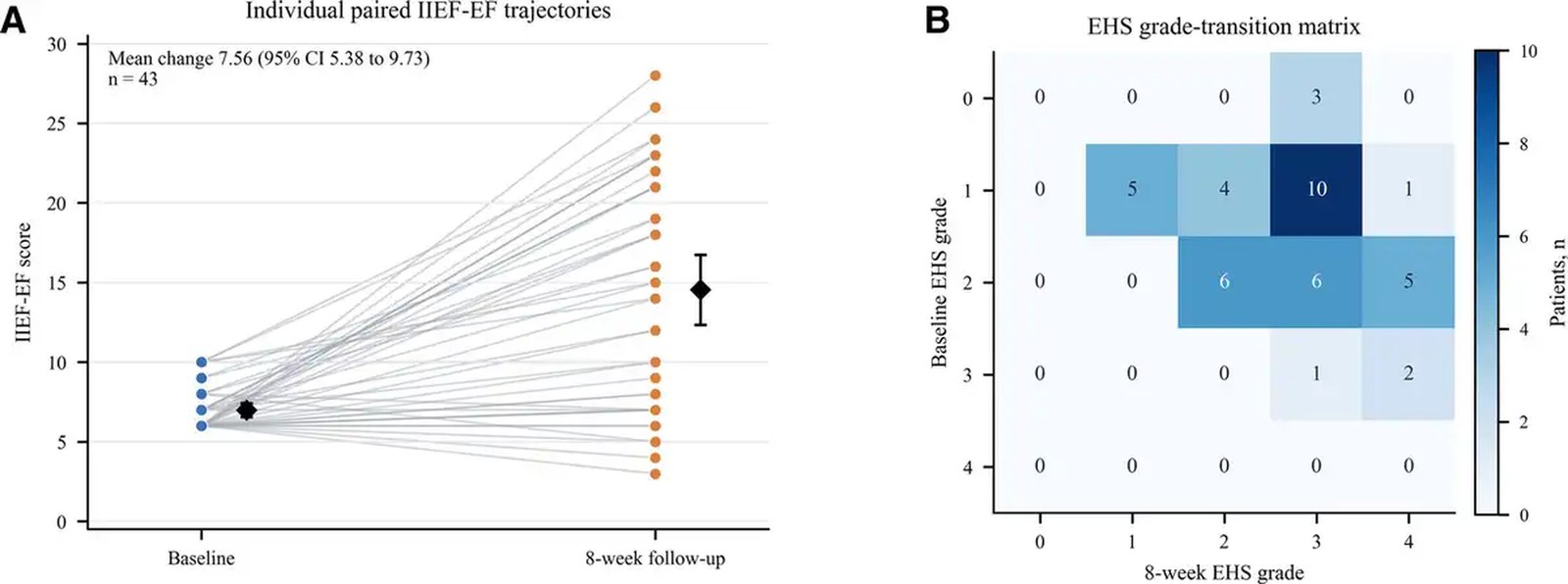
Fig. 5 · Week-8 paired results: (A) individual IIEF-EF trajectories; (B) EHS grade transition matrix (Image source: Current Urology, 2026)
About three years later, the team conducted telephone follow-up with 20 reachable participants; 65% reported erections sufficient to complete sexual intercourse. This extends the observation window from "the end of treatment" to "three years later", providing follow-up evidence on the durability of the effect. Against the backdrop of scarce high-quality data on non-invasive treatment for severe ED, that is where the weight of this study lies.
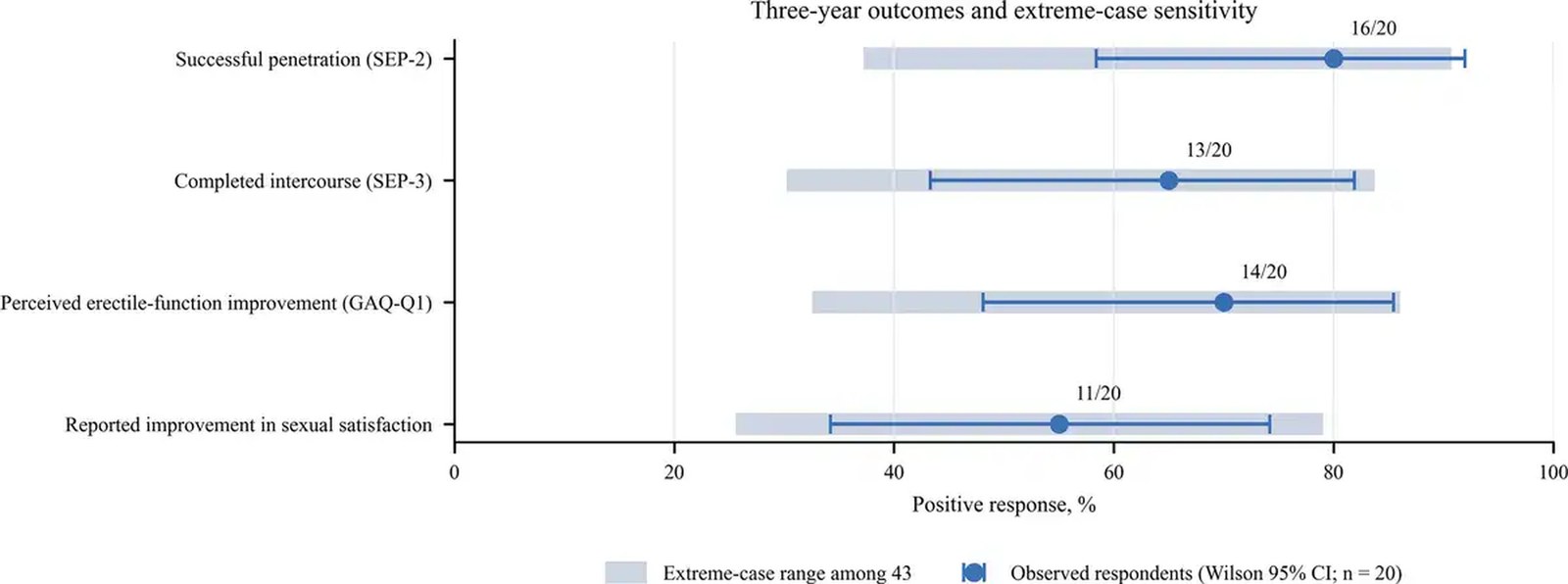
Fig. 6 · 3-year telephone follow-up outcomes and worst-case sensitivity analysis of lost-to-follow-up cases (Image source: Current Urology, 2026)
Study limitations: The study used a single-arm, exploratory observational design with attrition over long-term follow-up; the findings require further validation in larger-sample randomized controlled trials. This caveat does not diminish its value — it provides parameter grounding and a protocol basis for subsequent confirmatory studies, and offers clinical discussions a debatable option rather than a promise.
03ON-SITE RELEASE
On-site Release of the WBL LIPUS Literature Collection
After the presentation, Professor Li Zheng signed copies of the collection for visiting colleagues at the booth, one by one. Signatures, group photos, page-turning — the booth saw its densest crowd of the congress: some asked him to inscribe their freshly signed copies, others turned to page 15 and pressed him on the attrition rate in the three-year follow-up.
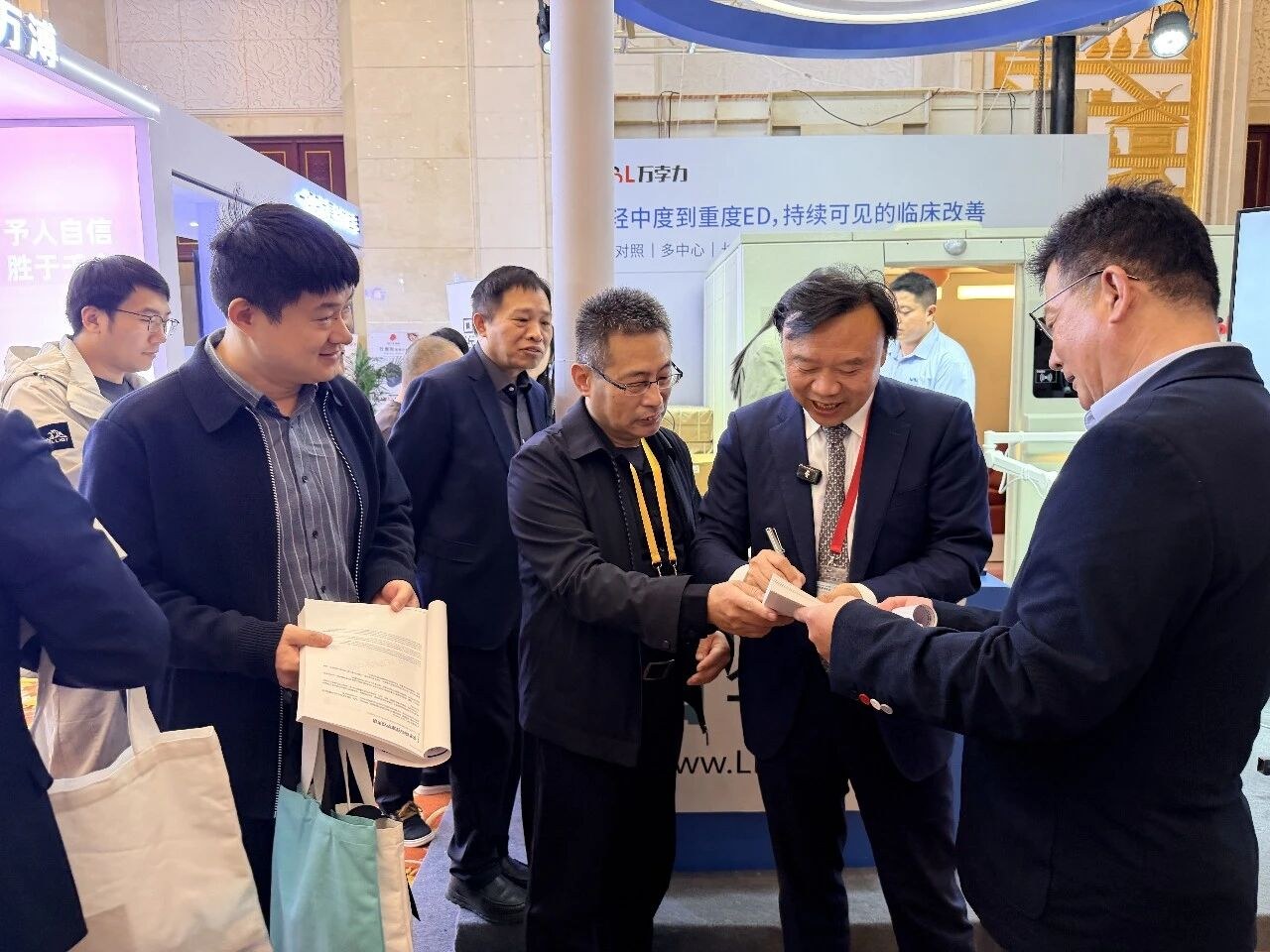
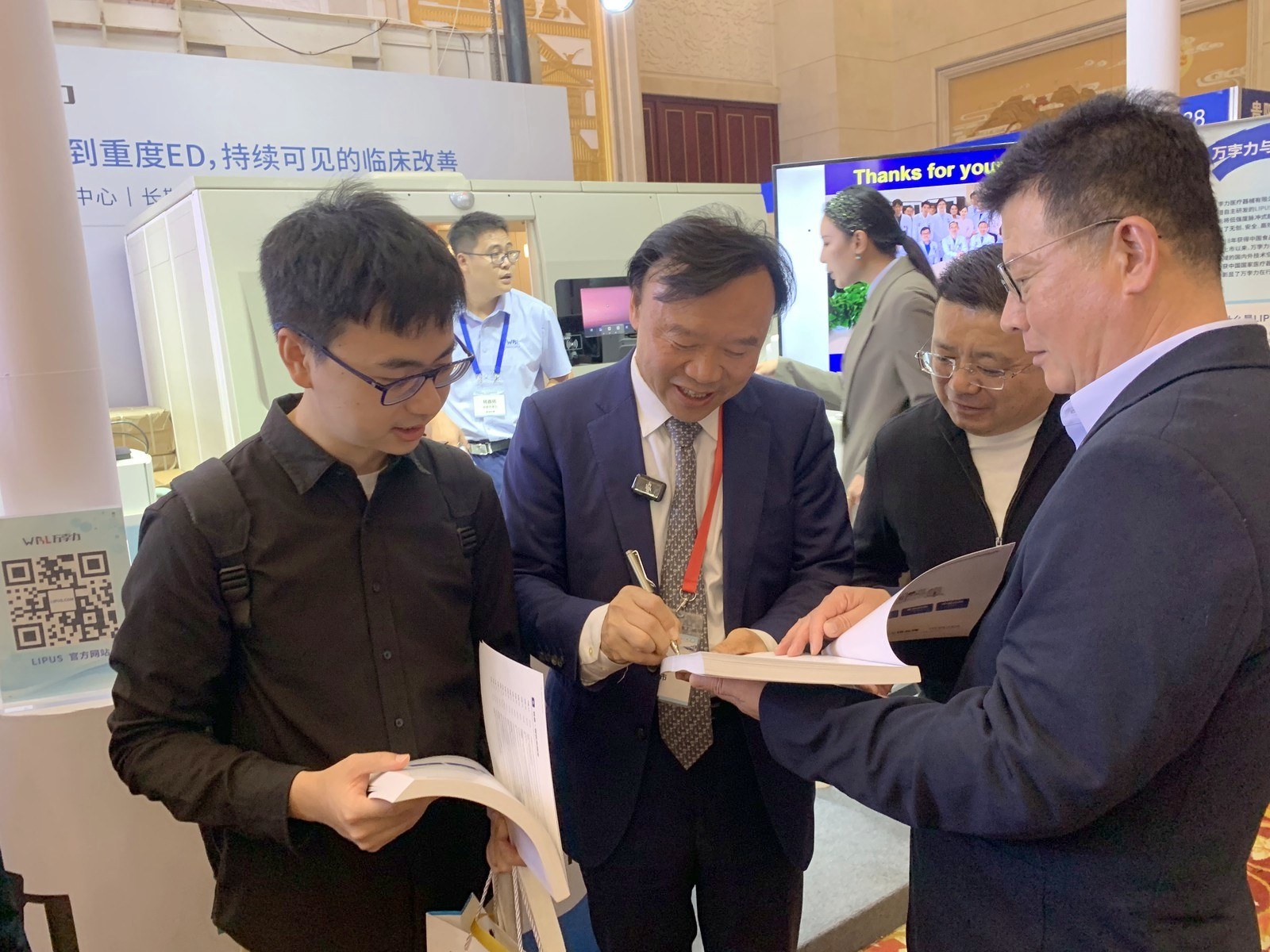
Fig. 7 · Professor Li Zheng signs the WBL LIPUS Academic Literature Collection for visiting scholars at the booth
The collection gathers domestic LIPUS clinical studies published between 2018 and 2026 — 15 in total, each presented with a commentary and the full text in Chinese-English parallel format. The studies span randomized controlled trials and real-world observations, covering a complete sequence from mechanism validation to regimen comparison, and from single populations to comorbidity populations.
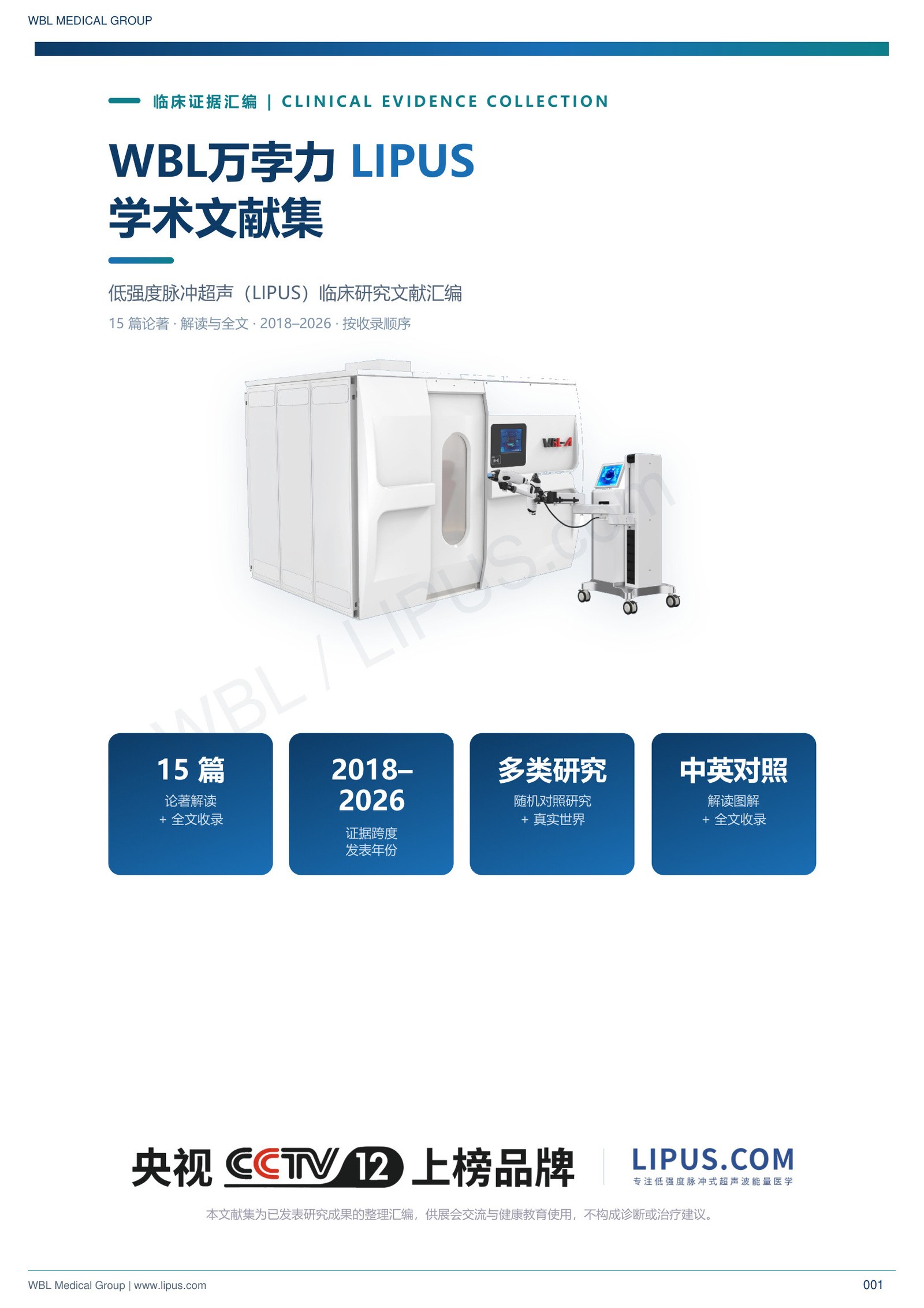
Fig. 8 · Collection cover · 15 studies, Chinese-English parallel edition
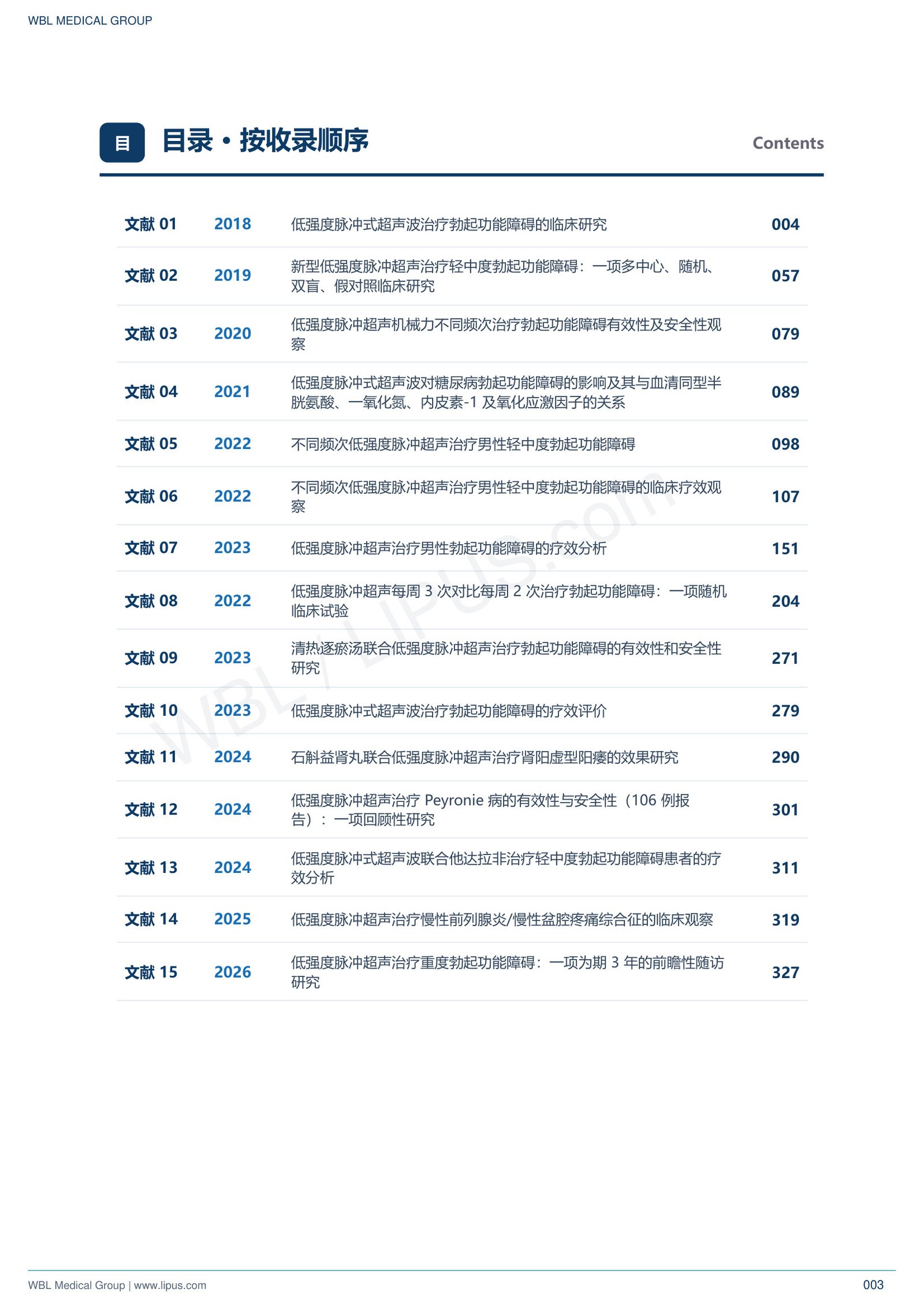
Fig. 9 · Table of contents · 2018—2026
The compilation is ordered by publication date: the 15 papers run in sequence from 2018 to 2026, and reading down the contents traces how LIPUS clinical research advanced layer by layer — the early monotherapy studies answered "what efficacy LIPUS can achieve on its own" (papers 03, 05, 06, 08); the later combination-therapy studies answered "what incremental benefit it adds when combined with existing regimens" (papers 09, 11, 13); and diabetic ED (paper 04), Peyronie's disease (paper 12), chronic prostatitis/chronic pelvic pain syndrome (paper 14) and severe ED (paper 15) filled in the evidence for their respective populations in turn.
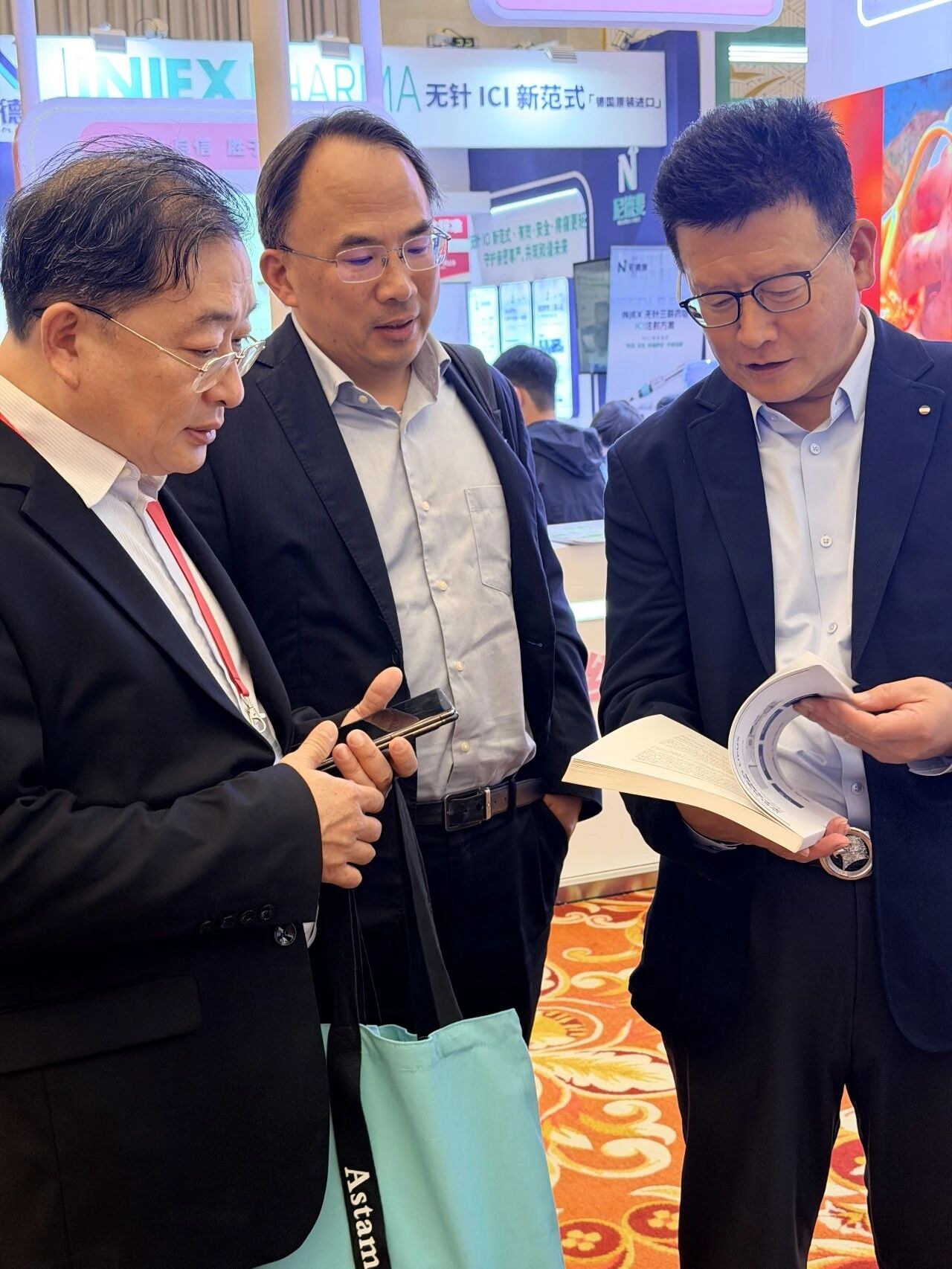
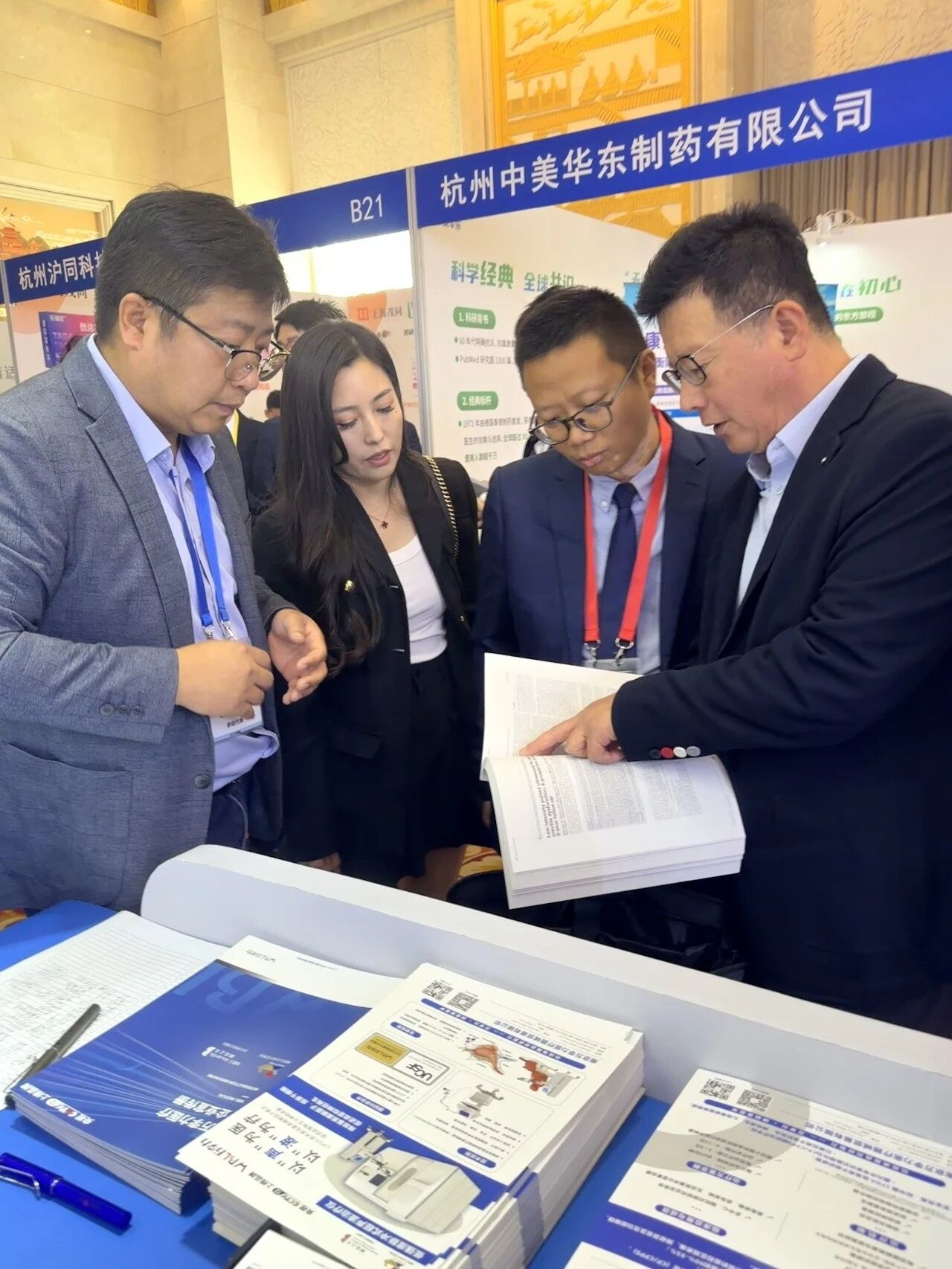
Fig. 10 · Colleagues browse the WBL LIPUS Academic Literature Collection at the booth
This format gives the collection a dual value of narrative and retrieval: read chronologically, it shows how the research questions moved from efficacy validation to population segmentation; searched by topic, the title and source of each paper are directly identifiable in the contents, so data for a specific population or regimen can be located at a glance. For departments conducting technology assessment, the three classes of information — how the indicated population is defined, how the treatment schedule is arranged, and which outcome measures are used — are unified in one format, reducing the cost of paper-by-paper retrieval.
04HANDS-ON
Hands-on Experience, Browsing and Exchange
Beyond the collection, the device experience zone at the WBL booth drew keen interest. Many congress participants lay on the treatment chair for a trial session, while the WBL team explained positioning, applicator placement and treatment pacing — for most of them, this was the first hands-on contact with LIPUS after reading about it only in the literature.
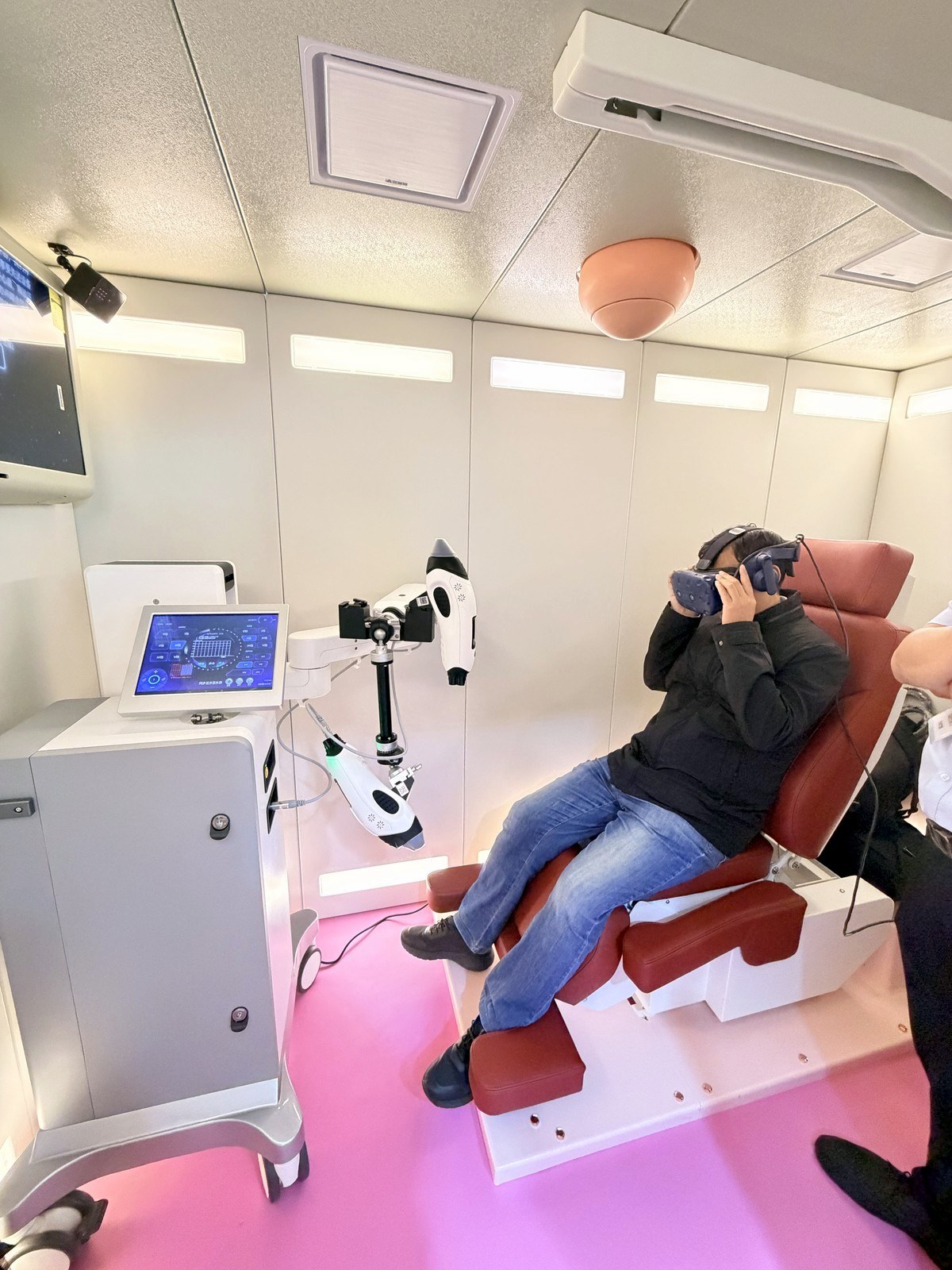
Fig. 11 · Colleague experience · panoramic view inside the capsule
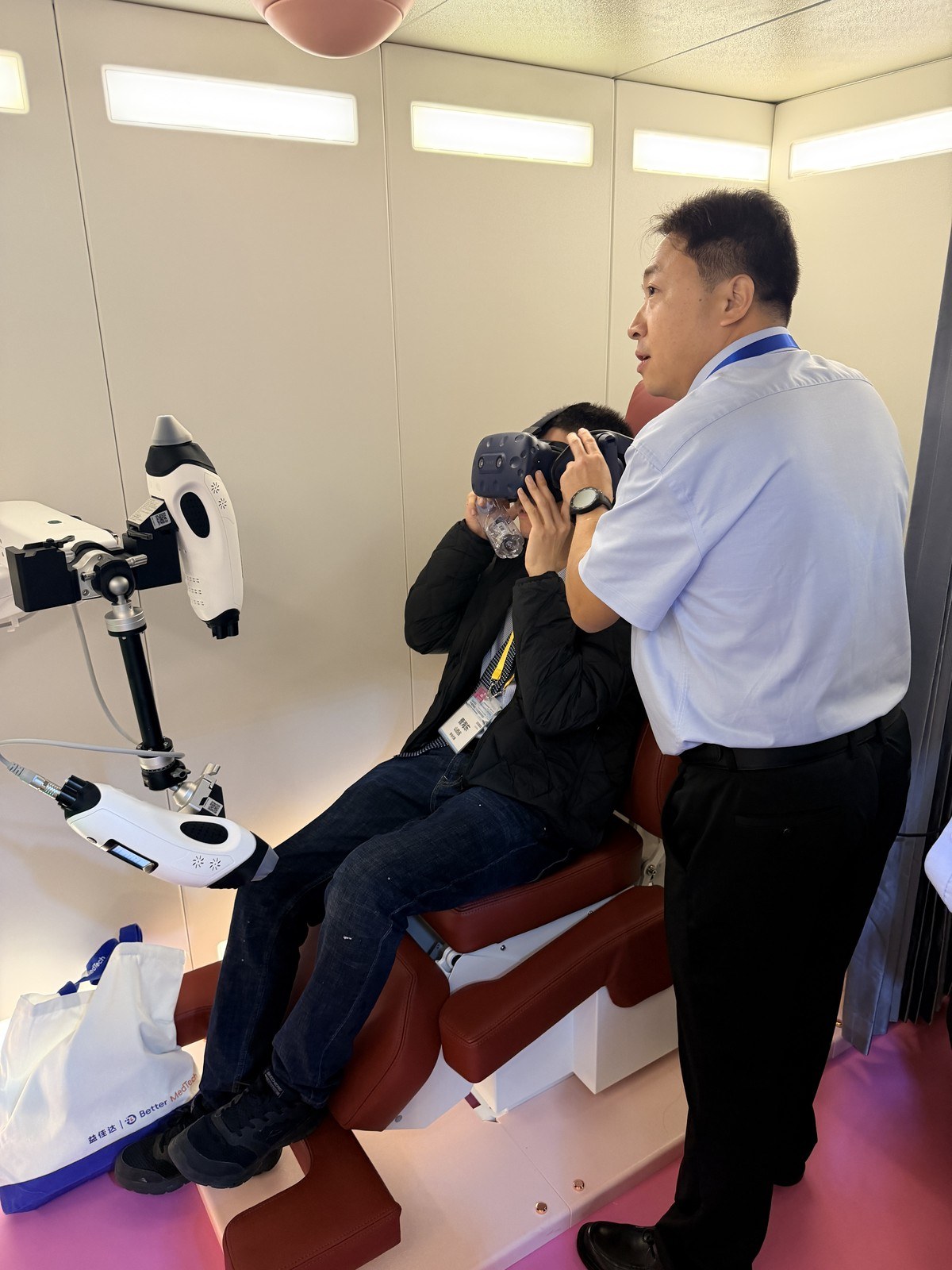
Fig. 12 · WBL staff assisting on site
The focus of the conversations also moved forward: from "what is this technology" to "which of our patients are suitable, how should the treatment schedule be arranged, and which outcome measures should be used for follow-up". These are precisely the questions the Literature Collection and the on-site presentations set out to answer.
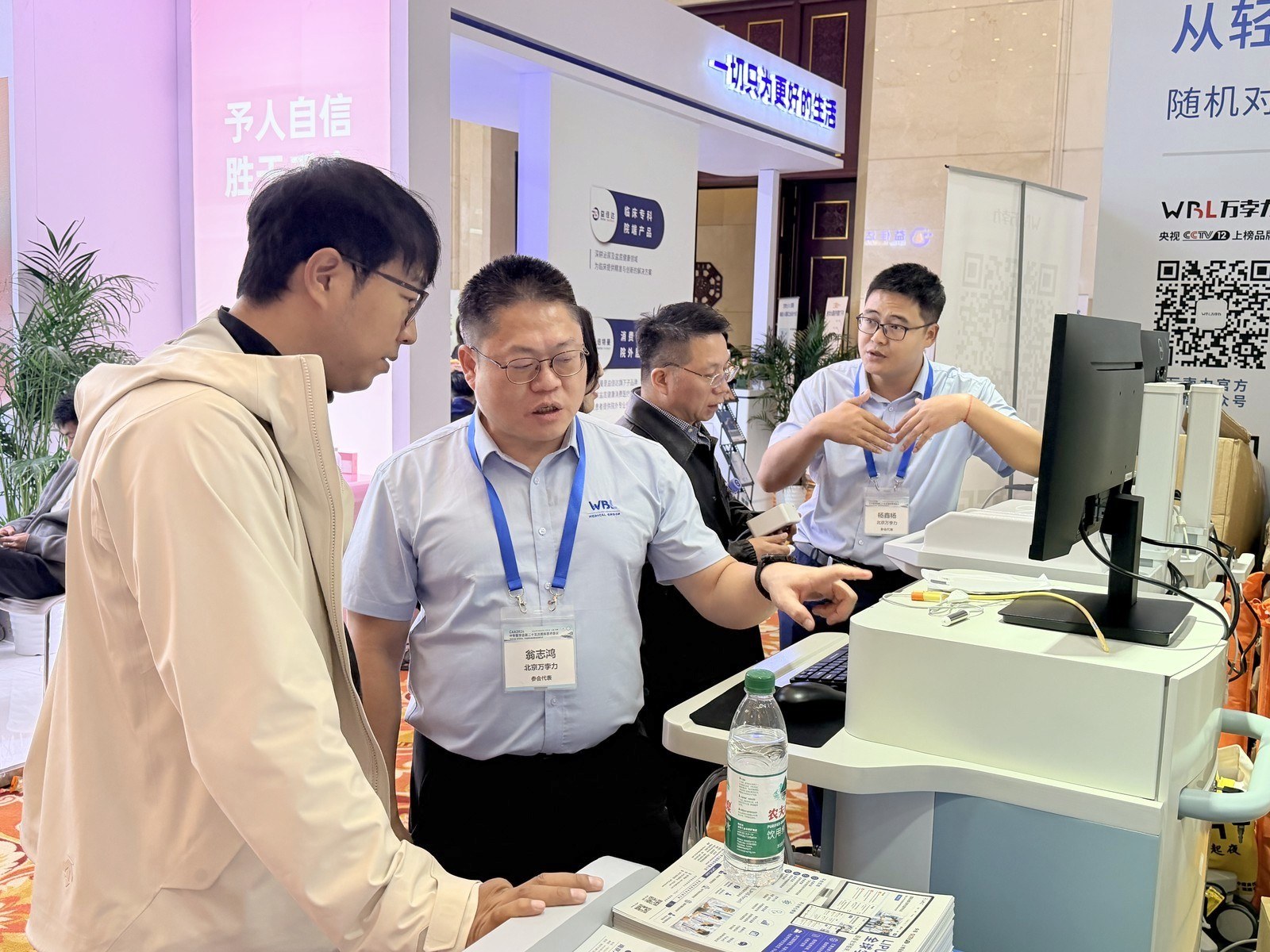
Fig. 13 · WBL staff introduce the device lineup and treatment protocols
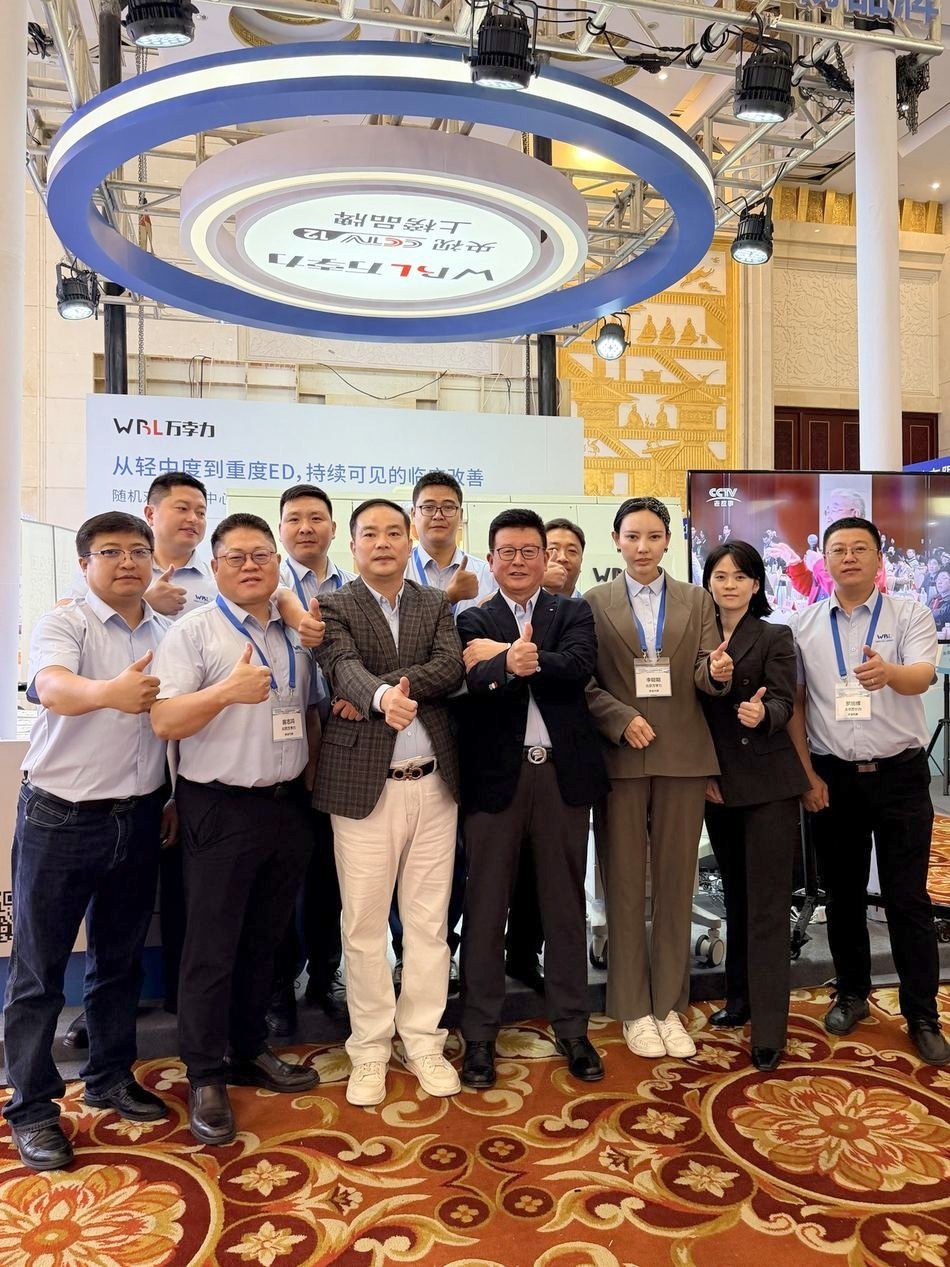
Fig. 14 · The WBL team at Booth A07 during the congress
—◆—
The discussion of WBL LIPUS is shifting
from "can this technology treat"
to "for which populations,
which regimens, and what strength of evidence"
An opening ceremony, a special booth, an on-site presentation, an on-site signing — at this congress, WBL moved the "evidence" from the page onto the booth floor. Our sincere thanks go to all the experts and scholars who visited Booth A07. Though the congress has closed, the exchange on LIPUS clinical application and research collaboration will continue.
Note: Erectile dysfunction is often associated with systemic vascular health. If symptoms persist for more than four weeks without relief, patients are advised to visit the urology or andrology department of a legitimate hospital for evaluation and an individualized plan by a professional physician. This article is for information only and does not constitute medical advice.
References: WBL LIPUS Academic Literature Collection (15 papers, 2018—2026); Current Urology (2026) prospective study of severe ED (3-year follow-up), DOI: 10.1097/CU9.0000000000000369; The Journal of Sexual Medicine: randomized comparison of LIPUS treatment frequencies for ED.