
Science & Popularization · LIPUS Technology · Micro-energy Medicine
—— WBL LIPUS ——
Let the Body "Heal Itself"
Understanding WBL LIPUS Micro-energy Medicine in One Article
Have you ever thought about this question:
If skin can heal and broken bones can regrow — why is it that once blood vessels or the reproductive system "age", the only option seems to be "replacing parts"?
Over the past decade or so, a technology called "Low-Intensity Pulsed Ultrasound (LIPUS)" has been quietly changing that answer.
It relies on no drugs, no surgery, and no "destroy-then-rebuild" approach — instead, it uses extremely low-intensity "mechanical signals" to awaken the repair workers in your body that have long been forgotten.
I. Meet the "Protagonist": LIPUS
LIPUS stands for "Low-Intensity Pulsed Ultrasound". Three key words define it:
· Low intensity: sound intensity below 3 W/cm², far below the tissue thermal-damage threshold — it will not "burn" tissue
· Pulsed: 1:4 intermittent output (short pulse phase, long interval phase), giving cells time to respond
· Ultrasound: 1.7 MHz frequency, a well-established medical ultrasound band
It is a "distant relative" of the B-ultrasound and colour Doppler you know, but with far lower energy, longer action time and a completely different purpose — B-ultrasound is used to "see", while LIPUS is used to "repair".
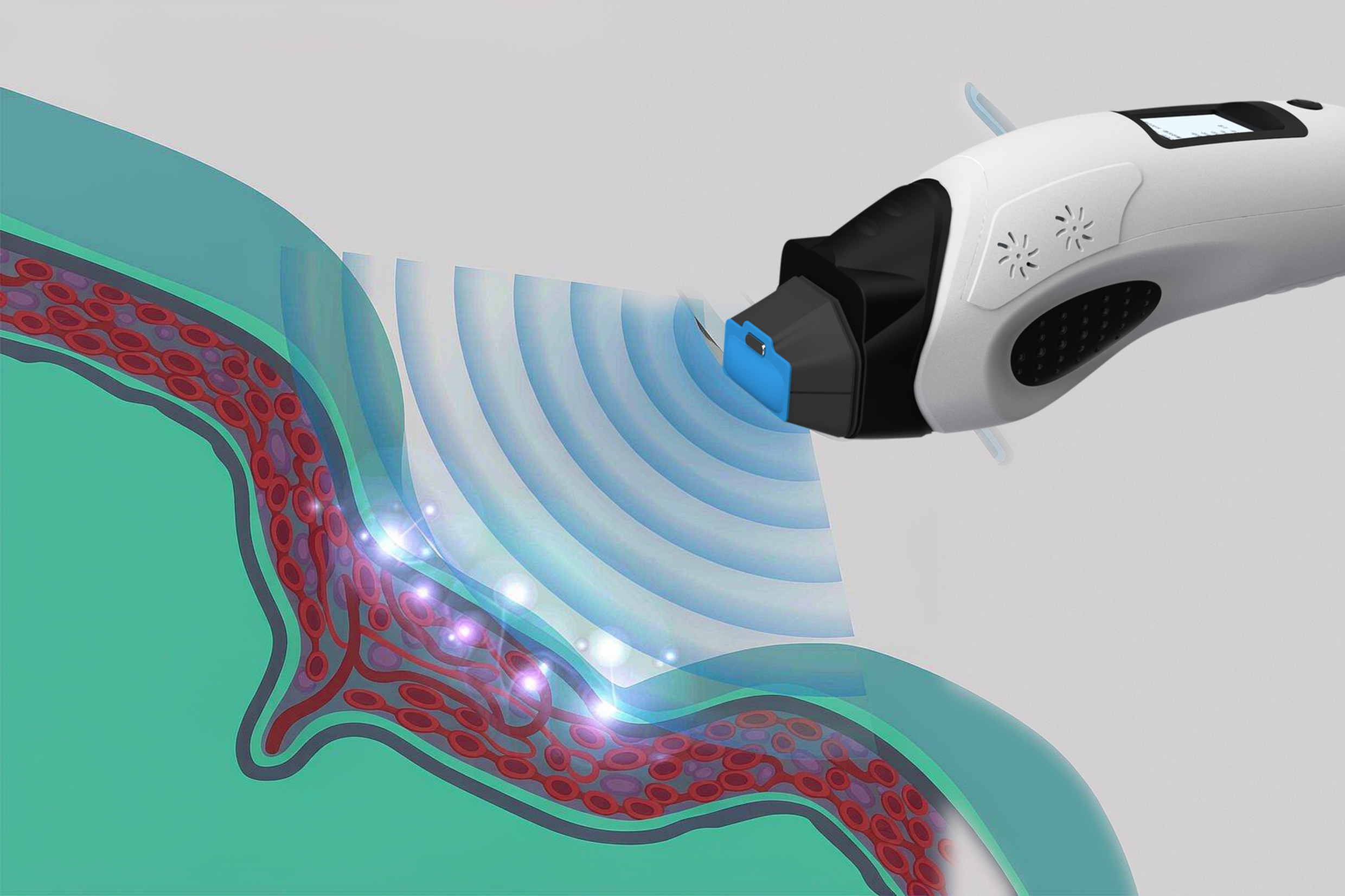
▲ How LIPUS works: gentle external sound waves activate tissue repair
II. How Does It "Repair"? Six Mechanisms Explained
Modern research has found that LIPUS activates tissue self-repair through the following six pathways:
1. Anti-inflammation suppresses excessive inflammatory responses → benefits chronic inflammation-related conditions (e.g., chronic prostatitis, chronic pelvic pain)
2. Angiogenesis promotes the proliferation and repair of vascular endothelial cells → improves microcirculation and restores the physiological basis of erection
3. Cell proliferation drives cell division and regeneration → repairs damaged tissue
4. Extracellular matrix remodelling repairs the tissue "skeleton" → restores normal structure
5. Stem cell induction and differentiation activates endogenous resident stem cells (such as perivascular stem cells, TRSCs) → the "black technology" of LIPUS most valued by the medical community
6. Analgesia relieves chronic pain → improves quality of life for patients with chronic pelvic pain syndrome
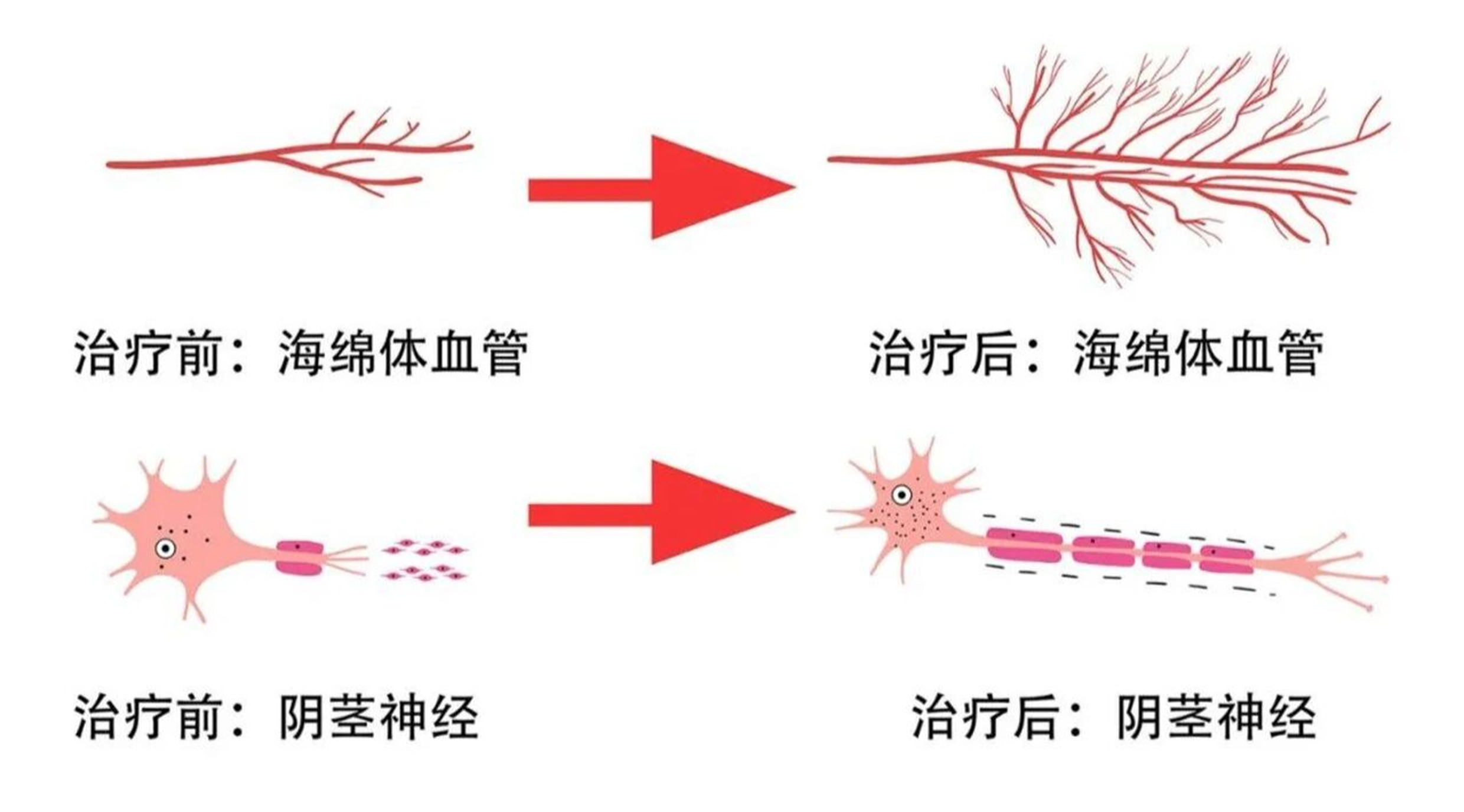
▲ LIPUS repair mechanisms: promoting vascular repair and nerve regeneration
III. What Does LIPUS Treatment Actually Feel Like?
Many readers ask: what is it really like to receive LIPUS treatment?
Take male ED treatment as an example. The standardised process typically looks like this:
Before treatment: the doctor evaluates indications and designs a personalised plan
During treatment: non-invasive external treatment; the ultrasound probe is aimed at the target area — painless throughout, with no anaesthesia required
Treatment frequency: 2-3 sessions per week; effects begin around week 4 and peak at week 12
Can be combined with medication: used together with PDE5 inhibitors (e.g., tadalafil), the effects can be additive
The whole process causes almost no noticeable discomfort — which is why WBL LIPUS is described by many clinicians as "the gentle treatment that lets the body heal itself".
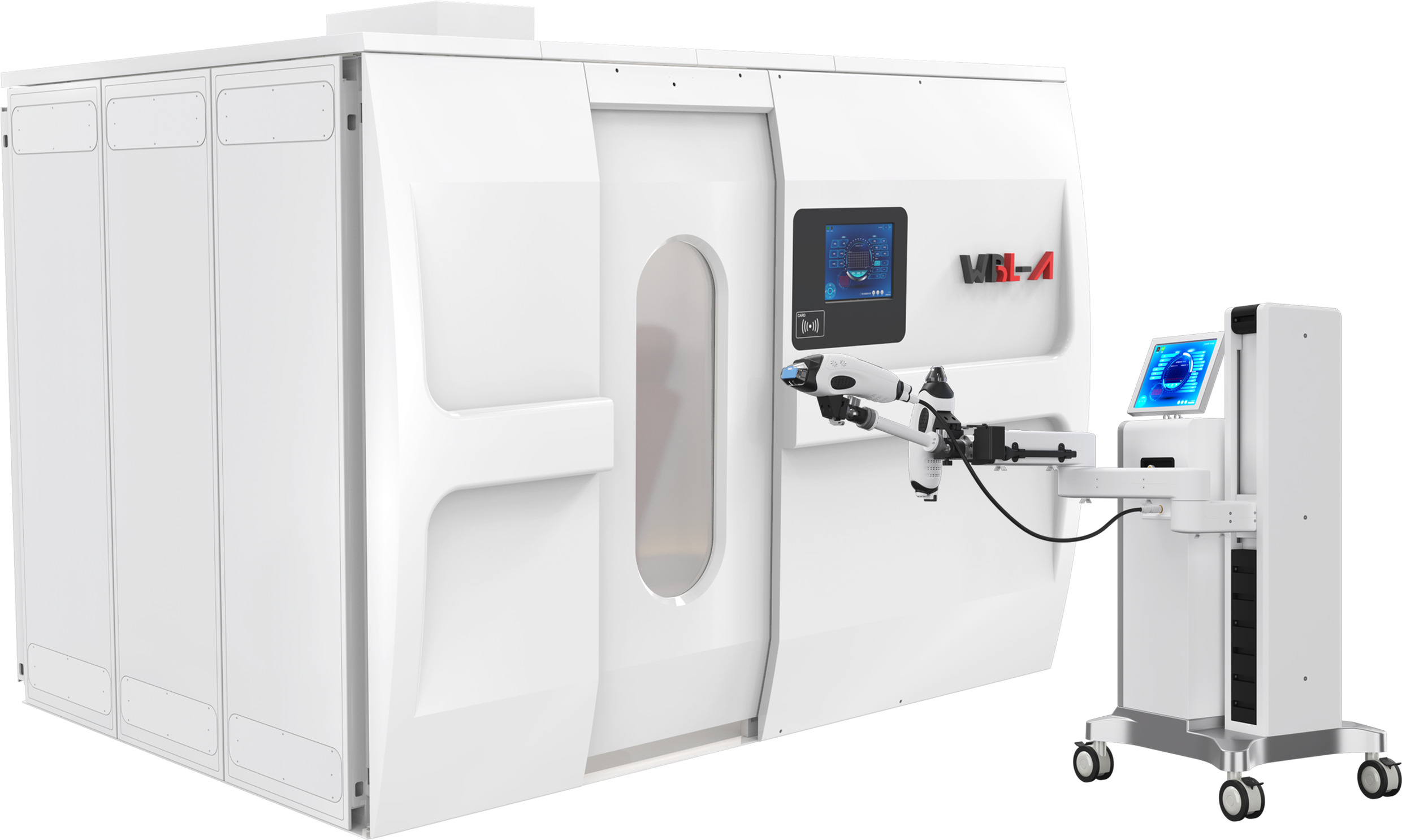
▲ LIPUS treatment cabin: non-invasive treatment completed in a private space
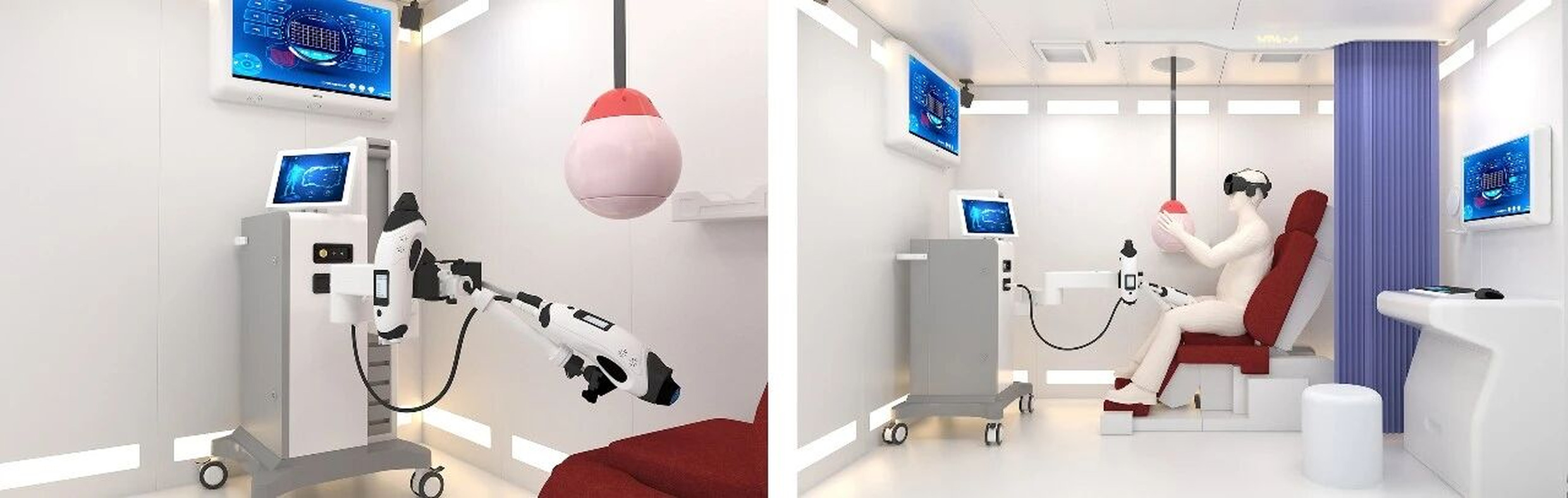
▲ Outpatient treatment experience: external, non-invasive and comfortable
IV. LIPUS in China: 15 Years from 0 to 1
Many people do not know: China is one of the first countries in the world to apply LIPUS clinically in men's health.
In 2012, Academician Guo Yinglu of the Chinese Academy of Engineering and the world-renowned urology authority Professor Tom F. Lue of the University of California, San Francisco (UCSF) jointly launched the "Male Sexual Dysfunction Rehabilitation Project", officially starting the LIPUS-ED programme.
Over the following years, basic research, animal experiments and a 120-case multicentre randomised double-blind clinical trial (71% response rate) were completed one after another. In 2018, the LIPUS-ED treatment platform obtained NMPA innovative medical device registration, becoming the first such Class II innovative medical device in China and in Beijing.
Throughout this process, one Chinese enterprise was deeply involved from R&D to manufacturing — Beijing WBL Medical Devices Co., Ltd. Its team is composed of researchers from the Chinese Academy of Sciences, Tsinghua University, Peking University, Beijing Institute of Technology and other institutions, and it has established clinical cooperation with Peking University First Hospital, China-Japan Friendship Hospital, Shanghai General Hospital, Tianjin Medical University Second Hospital and over a hundred tertiary (Grade-A) hospitals.
In 2024, WBL was featured on CCTV-12's "Science and Innovation China" programme, becoming the first case selected from the medical-device industry. In the same year, the expert consensus on LIPUS technology was officially released, bringing this technology into Chinese clinical guidelines.
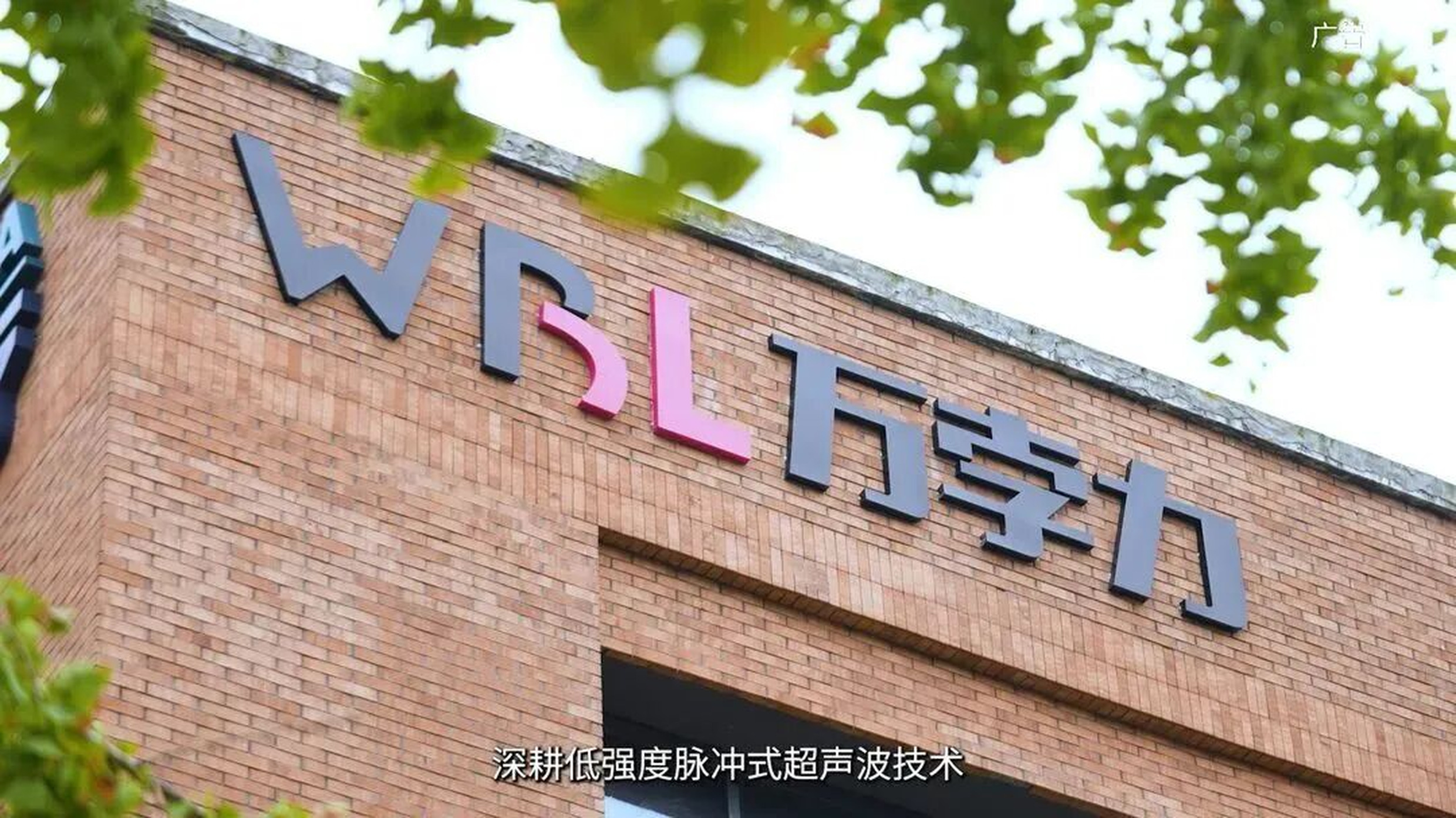
▲ 2024: WBL featured on CCTV-12 "Science and Innovation China"
V. What Else Can LIPUS Repair? — From "Treating Illness" to "Preventing Illness"
The application boundaries of LIPUS continue to expand:
Male erectile dysfunction (ED) — 71% response rate in a 120-case RCT
Male pelvic floor dysfunction / chronic pelvic pain syndrome (CPPS)
Fracture healing and nonunion — the most mature traditional application of LIPUS
Soft-tissue injury, diabetic foot, nerve repair — in clinical research
In the future, it may even extend to broader fields such as Alzheimer's disease, cardiovascular and neurodegenerative diseases — this is exactly what makes micro-energy medicine so promising.
VI. Latest Clinical Evidence: International Journal Publication Offers a New Answer for Severe ED
The six mechanisms above are not just theory — in September 2026, a LIPUS clinical study for severe ED was accepted and published in Current Urology, an international urology journal.
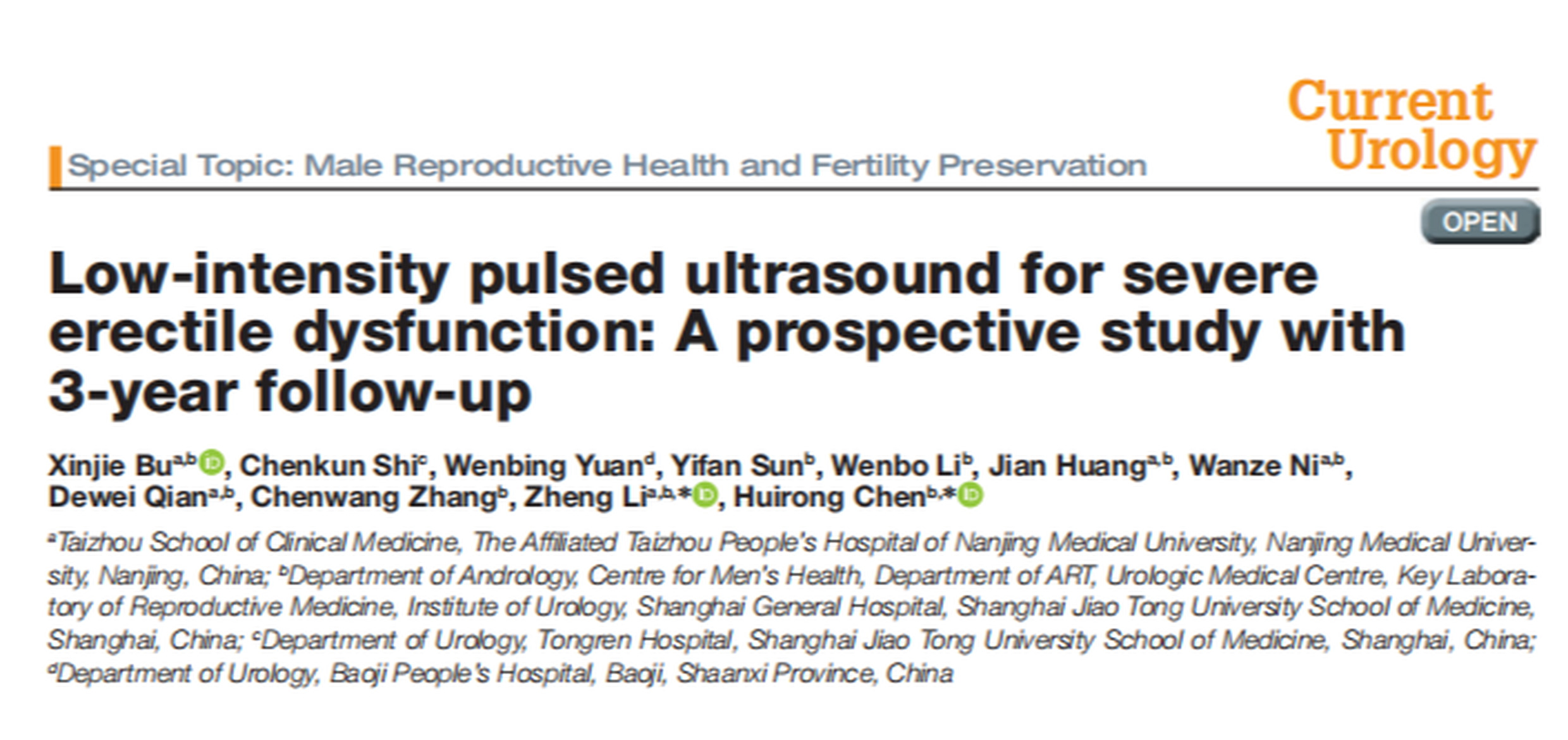
Paper at a Glance
Research team: Department of Urology and Andrology, Shanghai General Hospital, Shanghai Jiao Tong University School of Medicine
Paper topic: a prospective study of low-intensity pulsed ultrasound for severe ED, with 3-year follow-up
Journal: Current Urology (international urology journal, peer-reviewed)
Treatment device: WBL WBL-ED therapy device (external, non-invasive treatment)
The study enrolled 43 men with severe ED who completed the standard course: twice weekly for 4 consecutive weeks, 8 external treatment sessions in total. Results: the IIEF-EF score rose from 6.98 to 14.53, the median hardness grade rose from 1 to 3, and the proportion with morning erections rose from 54.8% to 81.0%. Among the 20 men followed up for about 3 years, 80% achieved successful penetration and 65% could maintain an erection to complete intercourse. This shows that the clinical evidence for WBL LIPUS is extending from mild-to-moderate to severe ED.
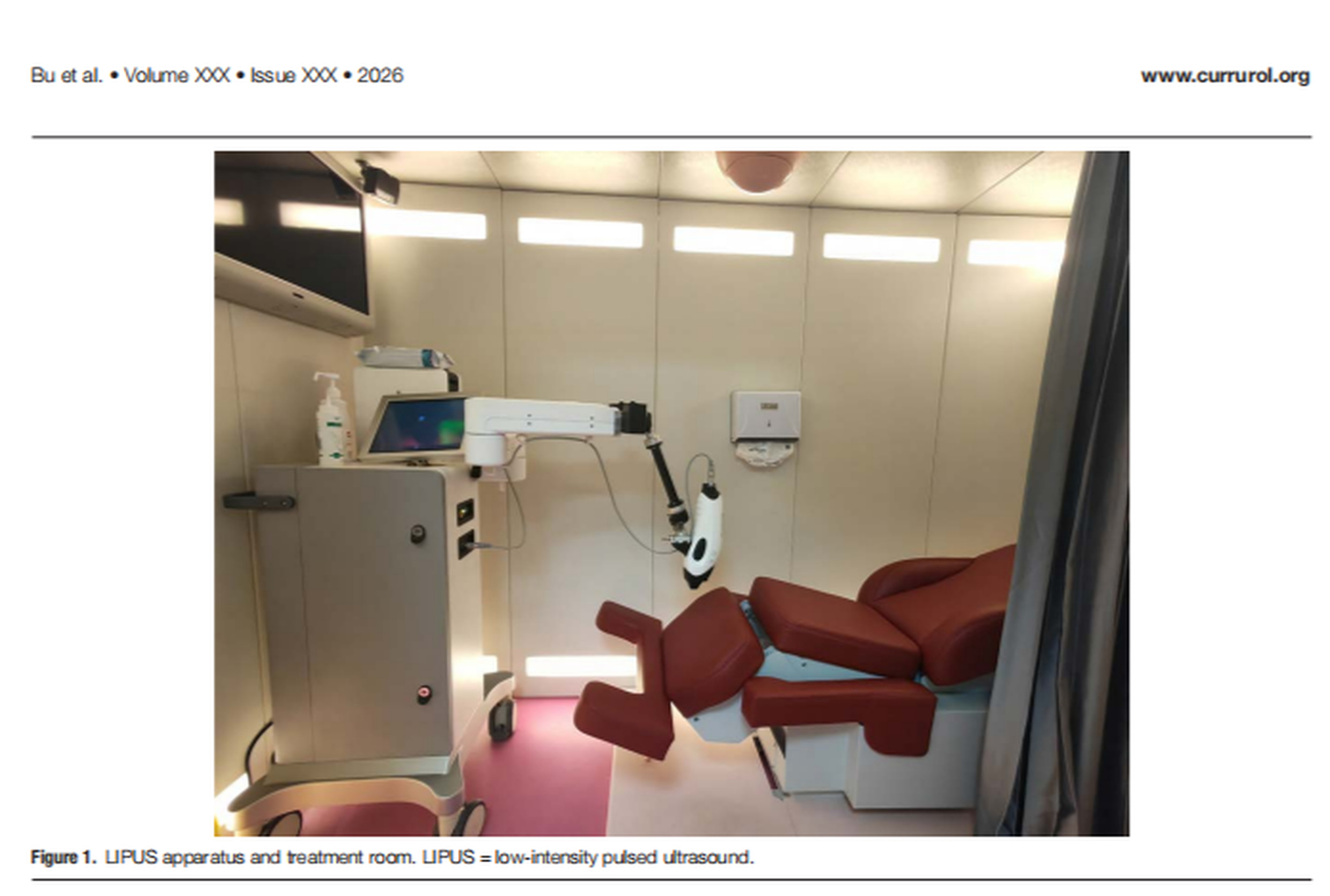
▲ The WBL WBL-ED external ultrasound therapy device used in the severe-ED study
A word of rigour: this is a single-arm, exploratory observational study that still requires validation with larger samples and randomised controlled studies. It is not an announcement that "severe ED has been conquered", but it offers a new and promising research direction for this long "nearly out-of-options" population.
Another easily overlooked fact: the clinical evidence for WBL LIPUS in ED is not a one-off result, but an accumulation built up year after year.
2019
Translational Andrology and Urology
Mild-to-moderate ED · multicentre randomised double-blind sham-controlled trial (120 cases)
2022
Journal of Sexual Medicine
3-times vs 2-times weekly regimen comparison (randomised)
2026
Current Urology
Severe ED · single-centre single-arm prospective observational study + 3-year follow-up
From mild-to-moderate to severe, from randomised double-blind to single-arm prospective — the evidence gradient keeps advancing, but study designs differ, and so do the scopes in which conclusions apply. That is why we suggest "look at the study design before the conclusion".
VII. What Is a "Good Treatment"? Three Criteria
As a reader, next time you come across any "new technology", you can ask three questions:
Does it have multicentre randomised controlled clinical data?
(not just stories)
Has it been written into national or international guidelines / expert consensus?
Does it have regulatory registration certificates?
(NMPA, CE or FDA)
WBL LIPUS stands up to scrutiny on all three counts — and that is why it deserves to be taken seriously.

Summary of this issue: "repairing the body" does not necessarily rely on "strong drugs" or "sharp knives". Sometimes the gentlest wave is the most tender — and the most fundamental.