
WBL · STUDY REVIEW
Current Urology · 2026
PUBLISHED IN AN
INTERNATIONAL JOURNAL
WBL-ED · 3-year follow-up, 43-patient outcome data
Department of Urology, Shanghai General Hospital, Shanghai Jiao Tong University · Corresponding author: Prof. Li Zheng
研究要点 Previous evidence for low-intensity pulsed ultrasound (LIPUS) in erectile dysfunction came mainly from mild-to-moderate populations. Severe ED (SED) has long lacked prospective data because of heavy comorbidity burden and difficulty of follow-up. In September 2026, a prospective study dedicated to SED, with follow-up extending to 3 years, was published in the international urology journal Current Urology.The device recorded in the study protocol is the WBL-ED system from Wanbeili (WBL).
+7.56
Mean IIEF-EF improvement
51.2%
Reached clinically meaningful change
3 years
Follow-up period
01WHAT THE STUDY IS
What the study examined
On 9 September 2026, Current Urology published online the prospective study "Low-intensity pulsed ultrasound for severe erectile dysfunction: A prospective study with 3-year follow-up" (open access, DOI: 10.1097/CU9.0000000000000369). The study was conducted by the Department of Urology at Shanghai General Hospital, Shanghai Jiao Tong University; the corresponding author is Prof. Li Zheng.
The study population was defined with a clear clinical target: enrolled patients had severe erectile dysfunction, rather than the mild-to-moderate populations used in most earlier studies.This design decision determines that the study fills the weakest segment of the clinical evidence base.
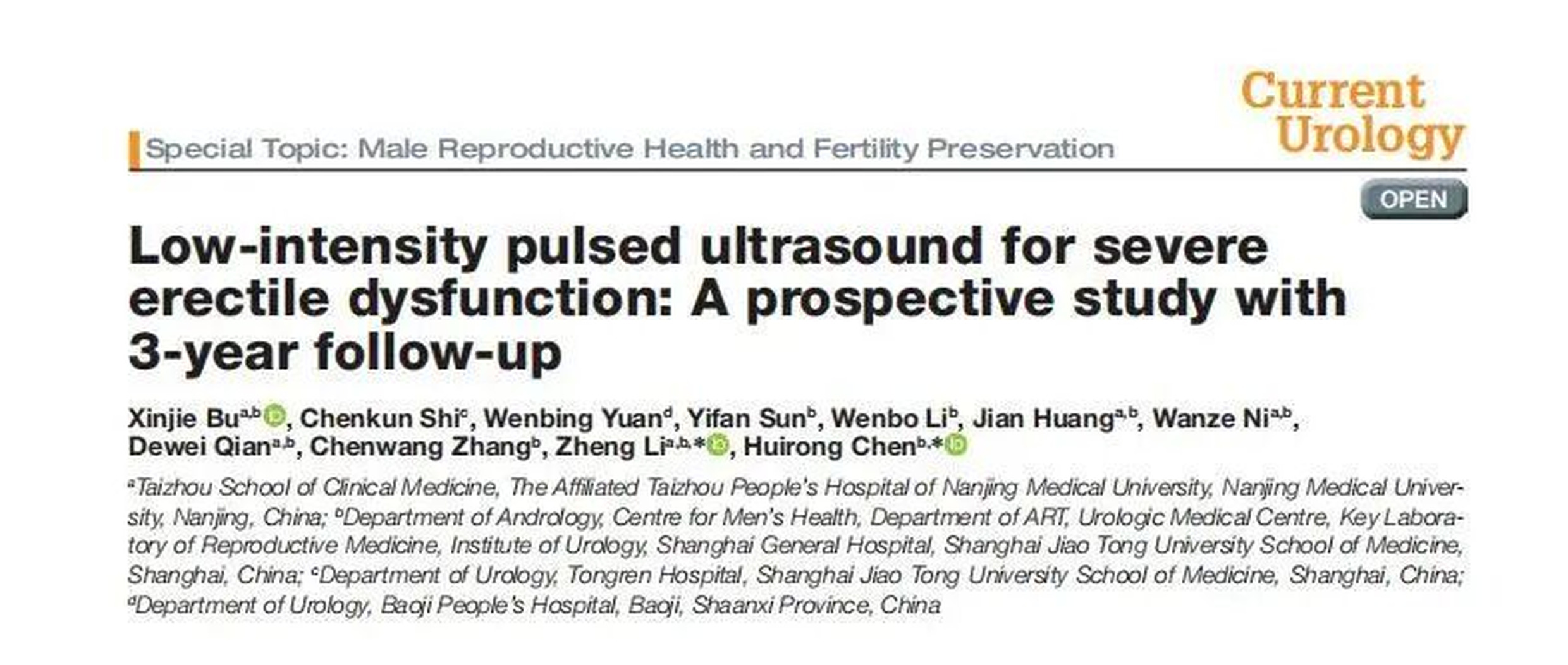
▲Figure 1. The paper as published online in Current Urology (first page)
The Methods section of the paper states: the treatment device was the WBL-ED system (Beijing Wanbeili Medical Devices Co., Ltd.), equipped with the ED-ZLT-F applicator.
Within the methodological framework of an international journal, device model, applicator specification and acoustic parameters are reproducibility-relevant elements of the study intervention. Their complete documentation in the Methods section shows that the WBL-ED system is a component of the study intervention itself, not an incidental note in the background. In other words, the efficacy verified in this study corresponds to Wanbeili's LIPUS device.
02WHY SEVERE ED IS HARD
Why severe ED is difficult to treat
Clinically, an IIEF-EF score of 6-10 defines severe ED. Patients at this stage have usually completed baseline assessment and first-line management: lifestyle modification, comorbidity control (glucose, blood pressure, lipids) and oral PDE5 inhibitors. Some patients, however, still respond poorly even at the maximum recommended dose.
Second-line options are then considered: intracavernosal injection, vacuum erection devices and penile prosthesis. All three have established value within their indications, yet each carries an objective barrier: injection requires the patient to perform the procedure, vacuum devices involve multiple steps and situational constraints, and prosthesis implantation is irreversible surgery.
Technical feasibility and long-term patient acceptance diverge, and some patients therefore never establish stable adherence.This is a long-standing practical problem in the management of severe ED.
What is genuinely needed is a non-invasive, repeatable option that does not depend on drug metabolism. The technical profile of Wanbeili LIPUS matches this need precisely.
Wanbeili LIPUS delivers low-intensity pulsed mechanical waves to the corpus cavernosum. It relies neither on thermal effect nor mechanical fragmentation, is applied transcutaneously, and involves no puncture, incision or anaesthesia. Two questions remained open: whether it works in severe ED, and how long any effect lasts.This study addresses exactly those two questions.
03STUDY DESIGN
Study design and treatment protocol
The study ran from September 2020 to December 2021 as a single-centre, single-arm, prospective observational study. Of 112 screened subjects, 52 received treatment and 43 completed the standard course plus the week-8 assessment, forming the primary efficacy population.
The protocol was a fixed course: twice weekly for 4 consecutive weeks, 8 sessions in total; each session targeted four sites (left and right corpus cavernosum, left and right crus), 5 minutes per site, 20 minutes per session. Acoustic parameters: intensity 0.3 W/cm², frequency 1.7 MHz, pulse duration 200 μs, duty cycle 20%.
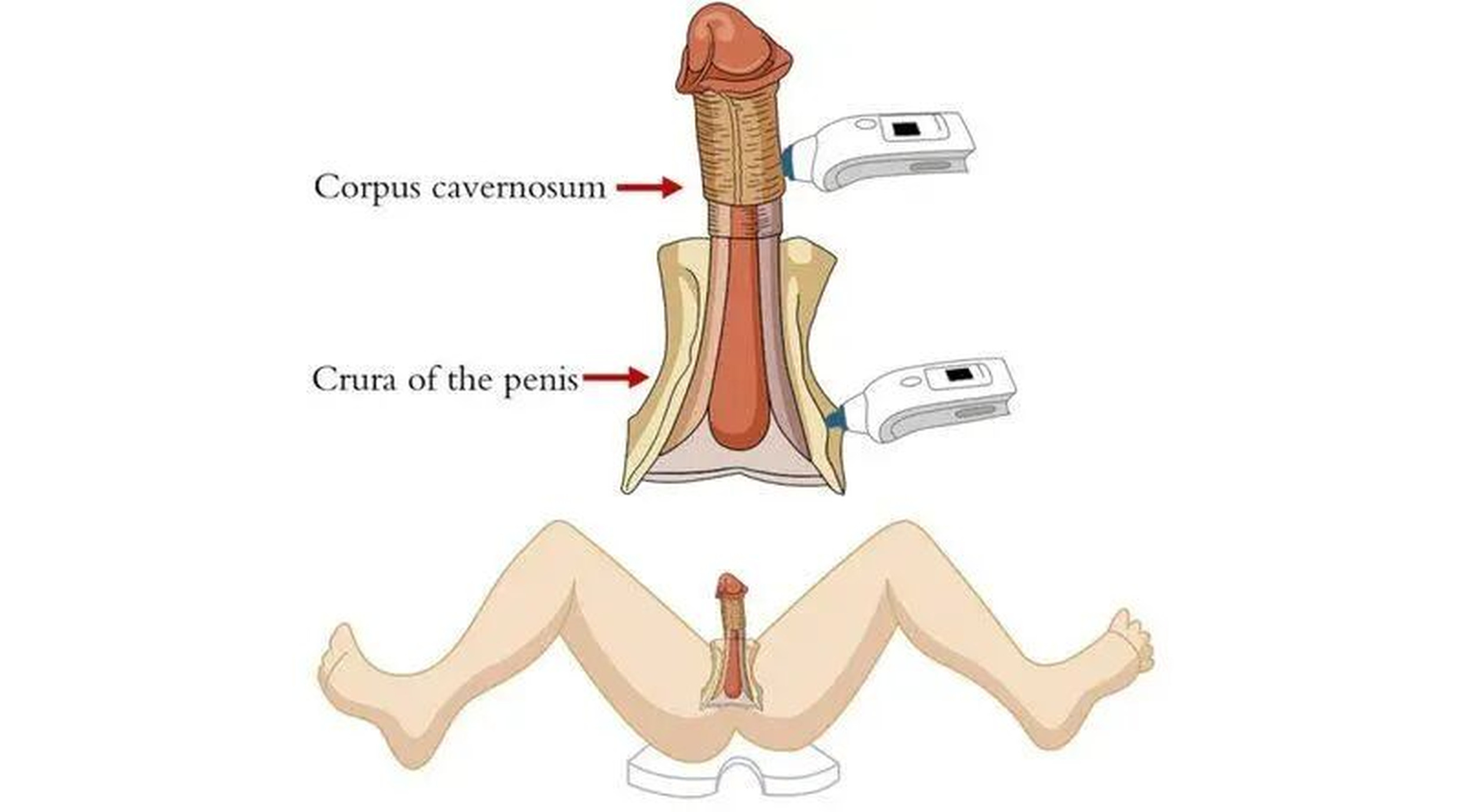
▲Figure 2. Treatment sites (left/right corpus cavernosum and crus, 5 minutes each)
A 2-week washout discontinued PDE5 inhibitors and other ED-related medication, excluding residual drug effects from the efficacy assessment.The point of this design is to attribute the observed effect, as far as possible, to the Wanbeili LIPUS intervention itself.
Fixed sites, fixed duration and fixed frequency give the procedure a standardised character, creating the precondition for replication at other institutions rather than depending on an individual operator's experience.
048-WEEK OUTCOMES
Week 8: efficacy and safety
Results for the 43 subjects who completed the course and paired assessment:
6.98→14.53
IIEF-EF score
+7.56
Mean improvement (p<0.001)
Grade 1→3
Median EHS
· IIEF-EF rose from a baseline of 6.98 to 14.53, a mean improvement of 7.56 points (95% CI 5.38-9.73, p<0.001)
· 22/43 (51.2%) reached the ≥7-point minimal clinically important difference (MCID), meaning more than half of subjects improved by a margin patients can perceive
· Median erection hardness score (EHS) rose from grade 1 to grade 3; 31 improved, 12 unchanged, none worsened
· Presence of morning erections rose from 54.8% to 81.0%
· PHQ-9 and GAD-7 scores fell by 2.70 and 2.09 points respectively, indicating parallel improvement in psychological status
· Safety: among 43 subjects with safety records, post-treatment pain VAS was 0 in all cases, with no adverse events recorded. For a modality positioned as non-invasive and repeatable, safety data are themselves a substantive part of its clinical value.
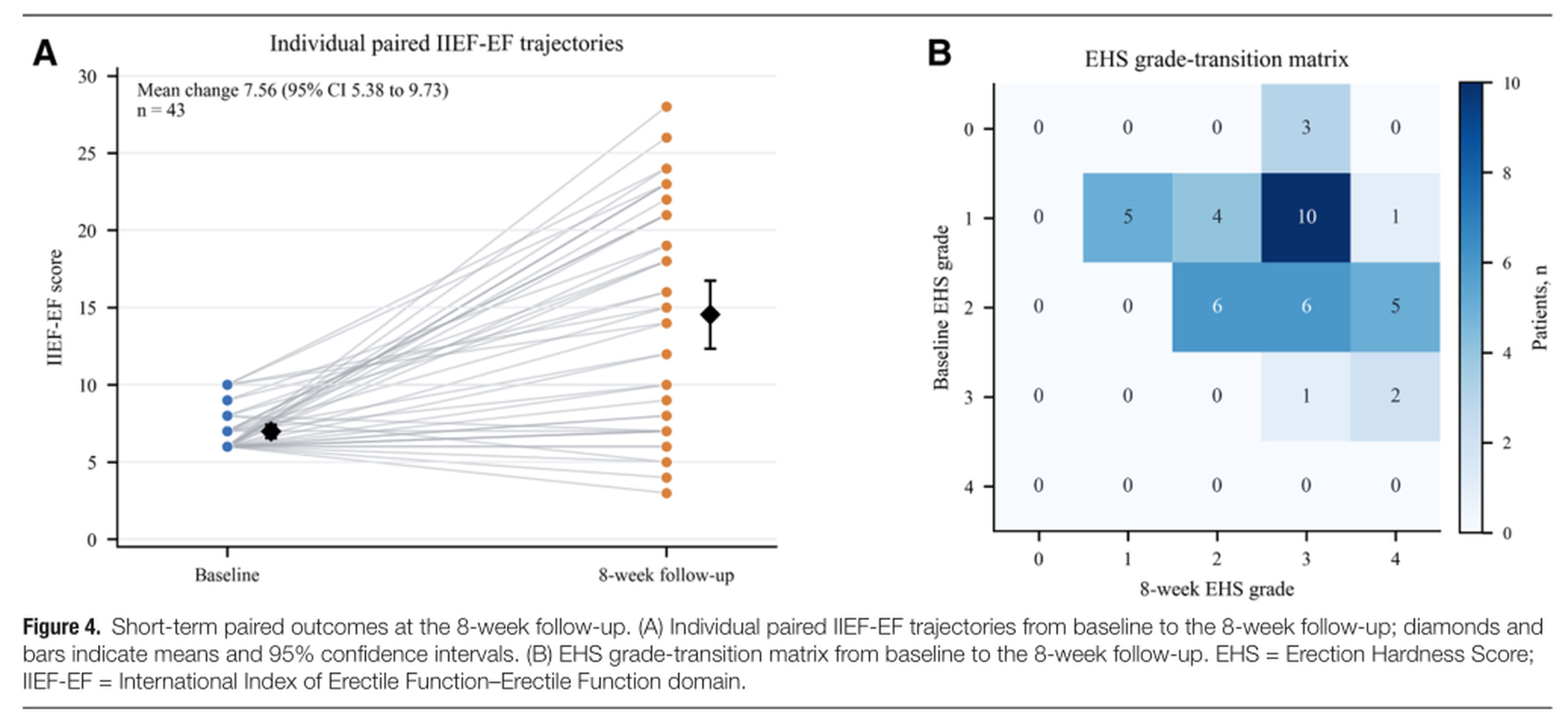
▲Figure 3. Week-8 paired results (A: individual IIEF-EF trajectories; B: EHS transition matrix)
053-YEAR FOLLOW-UP
3-year follow-up: does the effect persist
This is the most noteworthy part of the study. Subjects were geographically dispersed and in-person follow-up was impractical, so the team conducted structured telephone follow-up at approximately 3 years with those who could be reached; 20 completed it.
Follow-up results:
· 80% reported successful penetration (SEP-2)
· 65% reported maintaining erection to completion of intercourse (SEP-3)
· 70% rated erectile function as improved versus baseline
· 55% reported improved sexual satisfaction
Roughly 3 years after treatment ended, a substantial proportion still reported maintained function.This suggests the effect of Wanbeili LIPUS may be partly sustained rather than returning to zero once the course ends.
"That 65% could still maintain an erection to completion of intercourse suggests some patients retained a relatively favourable functional status long after treatment, and points to a long-term therapeutic potential of Wanbeili LIPUS that warrants further study."
— Department of Urology, Shanghai General Hospital, interpreting the study results
A sensitivity analysis counted all 23 lost to follow-up as "not improved", giving a 3-year intention-to-treat rate of approximately 32.6% (14/43).This conservative estimate was also reported in the paper.
Full disclosure of negative results and uncertainty is an important condition for passing peer review, and gives readers a more cautious basis for judging efficacy.
06THE EVIDENCE BASE
Not a single study: the Wanbeili LIPUS evidence chain
No single study can support an evaluation of a technology platform. The Wanbeili LIPUS research series in ED shows a clear progression across populations:
· 2019 | Mild-to-moderate population: a multicentre, randomised, double-blind, sham-controlled trial (Translational Andrology and Urology) answering "is it better than placebo"
· 2022 | Regimen study: a randomised comparison of three versus two sessions per week (Journal of Sexual Medicine) answering "how should frequency be set"
· 2026 | Severe population: a single-centre, single-arm prospective study with 3-year follow-up (Current Urology) answering "how well does it work in this population, and for how long"
From mild-to-moderate to severe, from short-term efficacy to long-term maintenance, from strict controlled design to observation in real clinical settings — the progression of this evidence series provides systematic support for the Wanbeili LIPUS platform.
The paper is equally explicit about its limitations: a single-centre, single-arm, exploratory observational design, loss to follow-up at 3 years, and a need for verification in larger randomised, sham-controlled studies.Clearly delimiting the boundaries of a conclusion is a basic requirement of clinical research reporting.
07CLINICAL IMPLICATION
What it means for clinical decisions
For patients with severe ED who respond poorly to oral PDE5 inhibitors, existing second-line options involve a trade-off between efficacy and acceptability. The evidence from this study makes Wanbeili LIPUS a treatment option that can be evaluated together with the clinician: non-invasive, repeatable, with documented safety observations and peer-reviewed 3-year follow-up data.
The boundary must be stated: Wanbeili LIPUS is not a substitute for surgery and does not guarantee efficacy. It is positioned as an adjunctive technology still accumulating clinical evidence; this study reports within-group change in a specific population under a specific regimen.
Indications and expected benefit should be determined by a specialist based on the individual case. Severe ED often coexists with diabetes, hypertension, cardiovascular disease or psychological factors, and differences in aetiology directly affect treatment strategy.
For the clinical positioning of Wanbeili LIPUS in severe ED, the value of this study lies not only in the reported outcomes but in providing a research record that can be reproduced, tested and challenged.
As the provider of the device recorded in that protocol, we understand the weight of this record: it documents the first complete evaluation of Wanbeili LIPUS in a severe ED population.
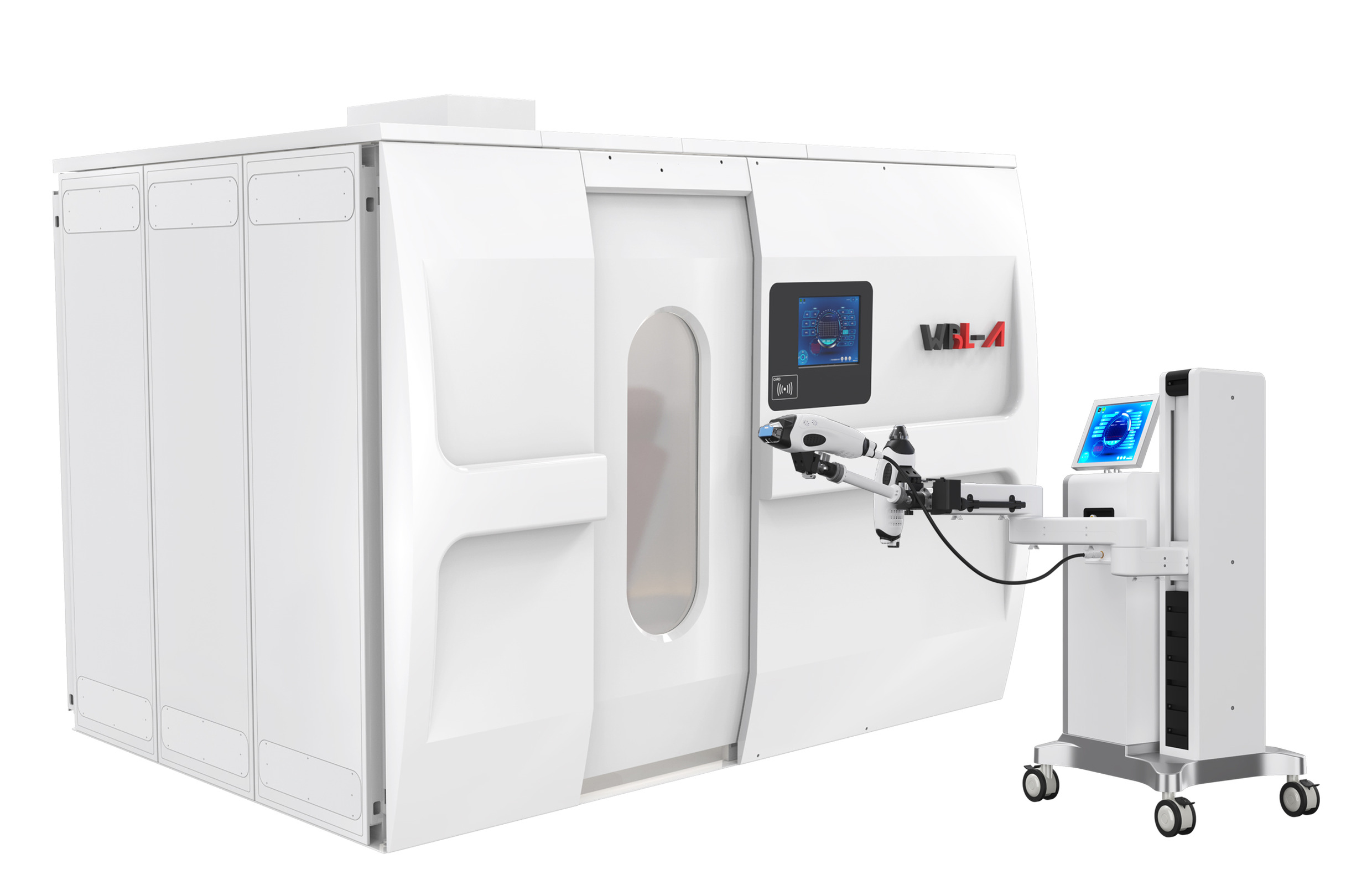
▲Figure 4. Wanbeili WBL-A treatment system (the protocol records the WBL-ED device with ED-ZLT-F applicator)
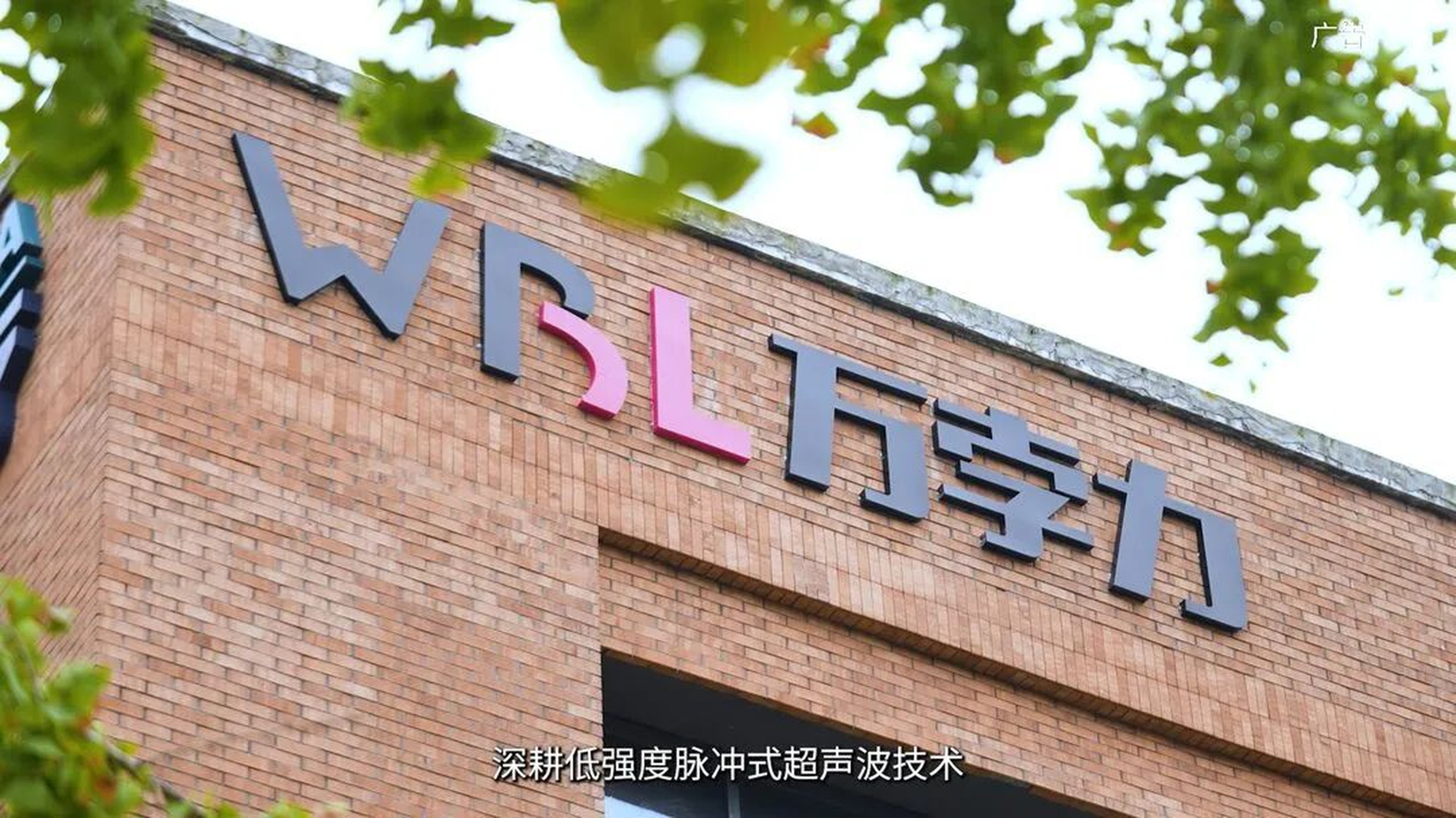
▲Figure 5. CCTV "Sci-Tech China" feature: Wanbeili's work on low-intensity pulsed ultrasound
CCTV · SCI-TECH CHINA
THE FIRST LIPUS MEN'S HEALTH
DEVICE COMPANY FEATURED ON CCTV
Through its LIPUS low-intensity pulsed ultrasound technology, Wanbeili became the first medical device company in this field to be featured on CCTV's "Sci-Tech China", with its technical approach and commercialisation covered in a national media feature.
ABOUT WANBEILI | WBL Medical Group
Beijing Wanbeili Medical Devices Co., Ltd. (WBL) focuses on non-invasive men's health solutions. It is a National High-Tech Enterprise, a Beijing "Specialised, Refined, Distinctive and Innovative" SME, and ISO 9001 certified. The LIPUS technology was advocated by Academician Guo Yinglu, and the company maintains long-term industry-academia collaboration with Prof. Tom Lue's team at UCSF, Prof. Xin Zhongcheng and other experts in urology and andrology. The device is in use at multiple tertiary and prefecture-level hospitals in China and at Chulalongkorn Memorial Hospital in Thailand; the product received a 2025 IDEA Design Award.
This article presents medical research findings and health information. It reflects only the published work of the research team, does not constitute diagnosis or treatment advice for any individual, and is subject to the original paper and each country's regulatory status.
If symptoms persist for more than 3 months without relief, consult a urology or andrology department at a qualified hospital.