
WBL · ACADEMIC WATCH
A randomized controlled trial of 112 patients:
LIPUS combined with Liuwei Dihuang Wan for ED
4-week treatment, 6-month follow-up, clear improvement in both groups
——
Chinese Journal of Andrology, 2026, Vol. 40, No. 2 · Original Article
OVERVIEW: In 2026, the Chinese Journal of Andrology published a randomized controlled trial involving 112 patients with erectile dysfunction (ED). Patients were randomly assigned to two groups: one received LIPUS monotherapy, and the other received LIPUS combined with Liuwei Dihuang Wan (a classical Chinese herbal formula). This article reviews the study across five dimensions: study design, treatment protocol, clinical results, safety, and mechanism of action.
01THE STUDY
Study Design and Study Population
The study was conducted by the Urology Department of Tianjin PKU Care Haoyoushi Hospital and published as an original article in the Chinese Journal of Andrology, 2026, Vol. 40, No. 2. It was supported by the Tianjin Health Science and Technology Project (KJ202356).
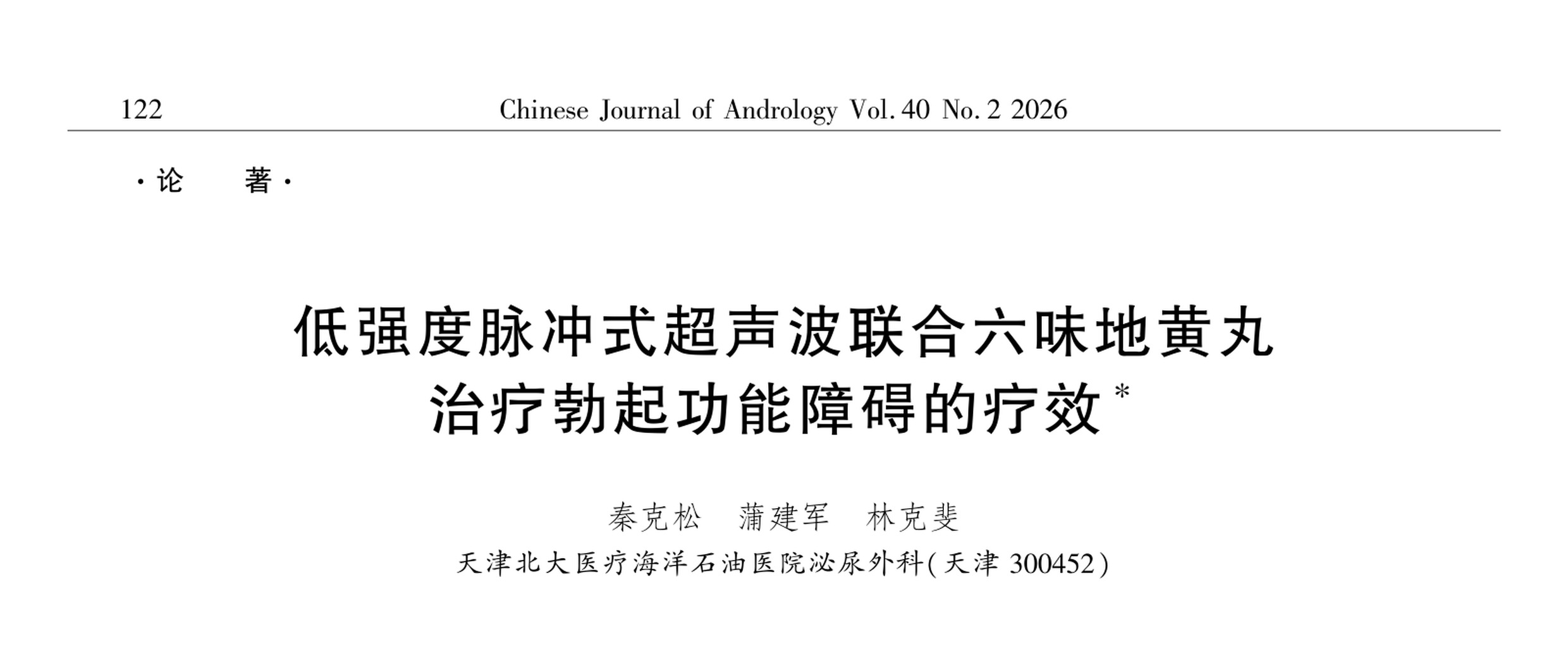
Fig. 1. First page of the article: title, authors and affiliations
A total of 112 patients with ED were enrolled and randomly divided into two groups of 56 each using a random number table: one group received LIPUS treatment, and the other received LIPUS combined with Liuwei Dihuang Wan. The treatment course was 4 weeks in both groups, followed by a 6-month follow-up after treatment.
Randomization eliminates selection bias. Baseline characteristics were comparable between the two groups: mean age was 33.43 vs. 32.63 years, and mean disease duration was 28.13 vs. 27.45 months, with no statistically significant differences (P>0.05). This is why conclusions from a randomized controlled trial are more reliable than individual clinical experience.
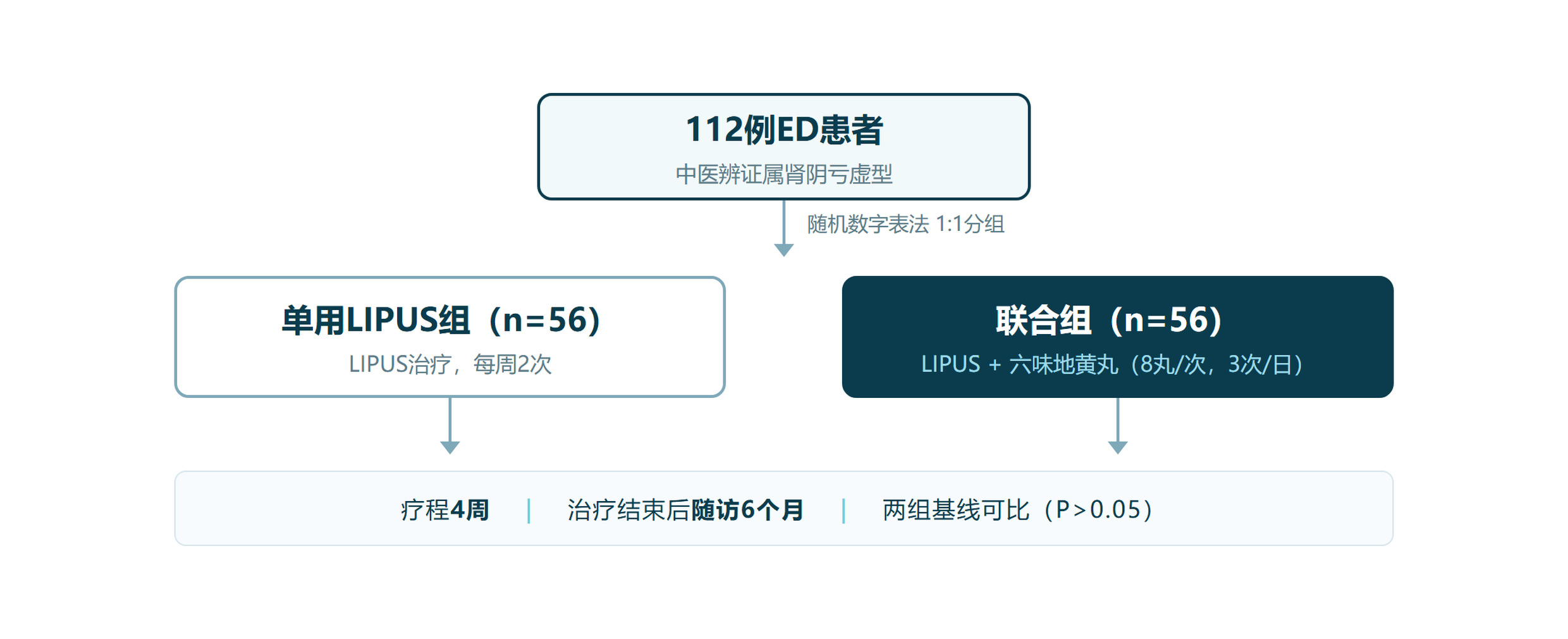
Fig. 2. Study design flow: randomization, treatment course and follow-up
02THE PROTOCOL
Treatment Protocol and Device Parameters
WBL LIPUS (low-intensity pulsed ultrasound) is a non-invasive physical therapy. An ultrasound coupling gel is applied between the probe and the skin to ensure effective transmission of ultrasonic energy. Each session lasts 20 minutes, twice weekly, with 4 weeks as one treatment course.
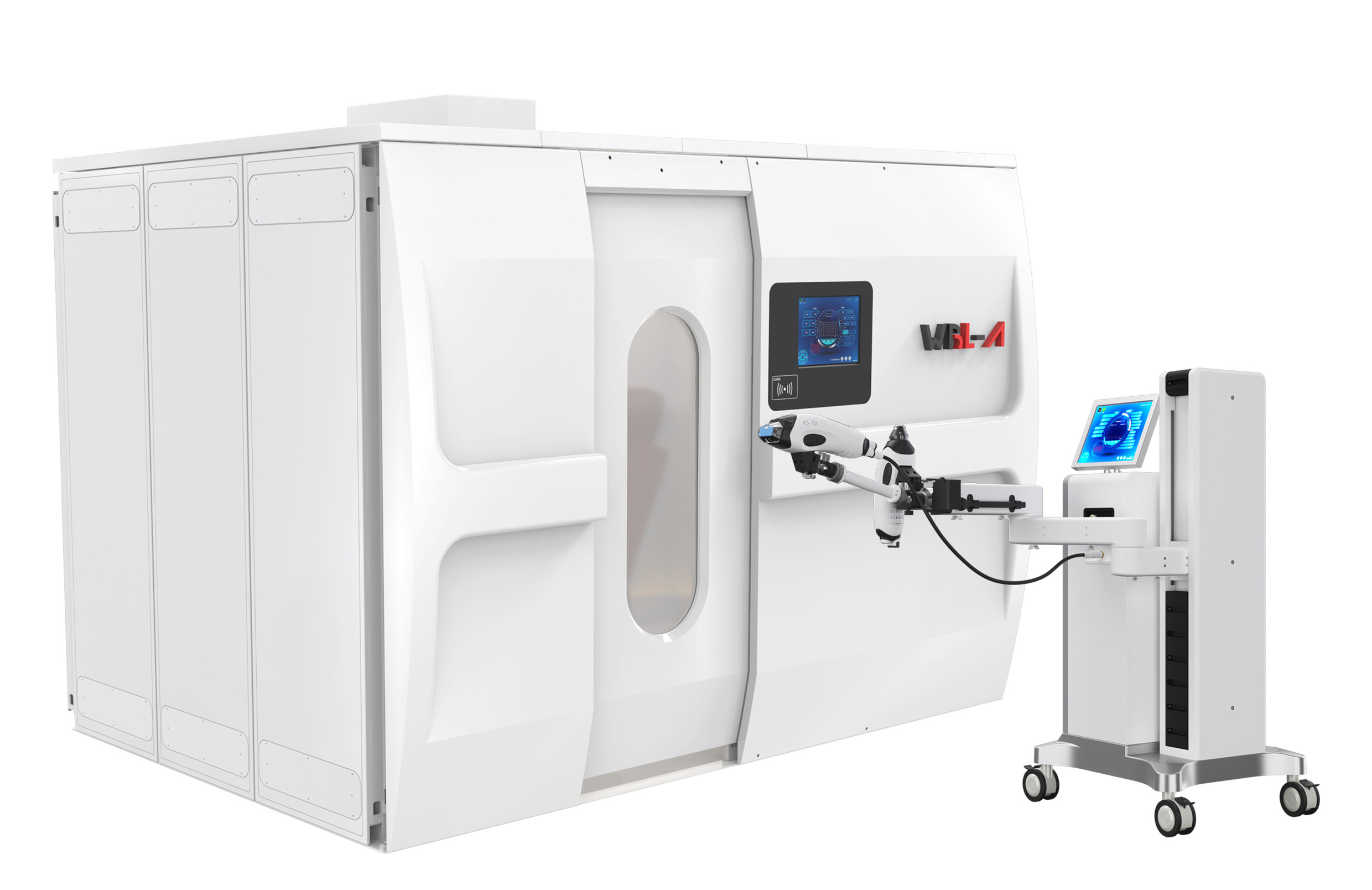
▲图3·LIPUS therapy device (model WBL-ED)
The device model and all parameters are fully documented in the Methods section of the article: model WBL-ED, manufactured by Beijing Wanbeili Medical Device Co., Ltd.; ultrasound frequency 1.7 MHz, pulse duration 200 μs, duty cycle 1:5, treatment probe intensity 200 mW/cm². The treatment areas were the distal ends and crura of both corpora cavernosa, 5 minutes per site, 20 minutes in total.
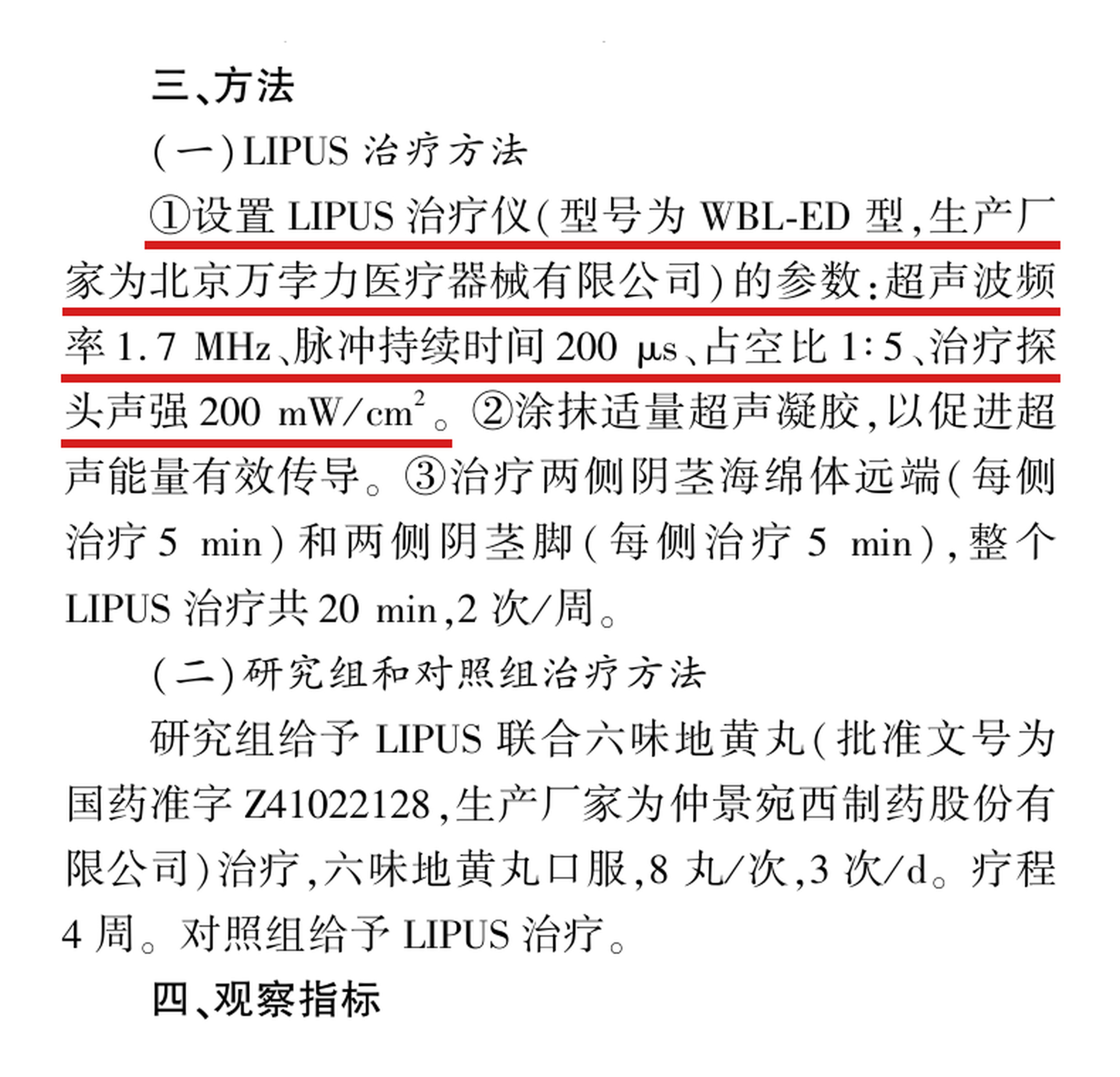
Fig. 4. Methods section of the article: device model, parameters and medication regimen
The combination group additionally received oral Liuwei Dihuang Wan, a classical formula for nourishing kidney yin. The product used in this study was an approved Chinese patent medicine (approval number Z41022128), 8 pills per dose, 3 times daily, for the same 4-week course.
03RESULTS
Clinical Results: Both Groups Showed Clear Improvement
Overall, both groups showed clear improvement compared with baseline, with a greater magnitude of improvement in the combination group.
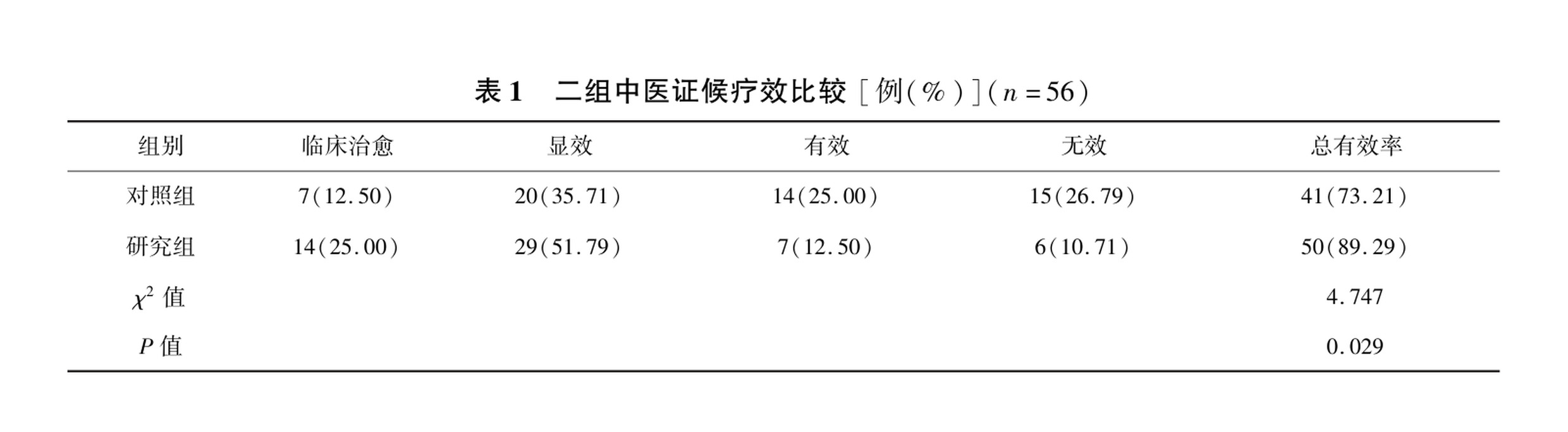
Fig. 5. Table 1: Comparison of TCM syndrome efficacy between the two groups
Graded by the degree of improvement in syndrome scores, 73.21% of patients in the LIPUS monotherapy group achieved “effective” or better, compared with 89.29% in the combination group. Looking at depth of improvement, the combination group also had a higher proportion reaching “markedly effective” or better — the improvement is reflected not only in the number of patients but also in its degree.
Erectile function was assessed using the IIEF-5 scale, which comprises 5 items with a total score of 25; higher scores indicate better erectile function:
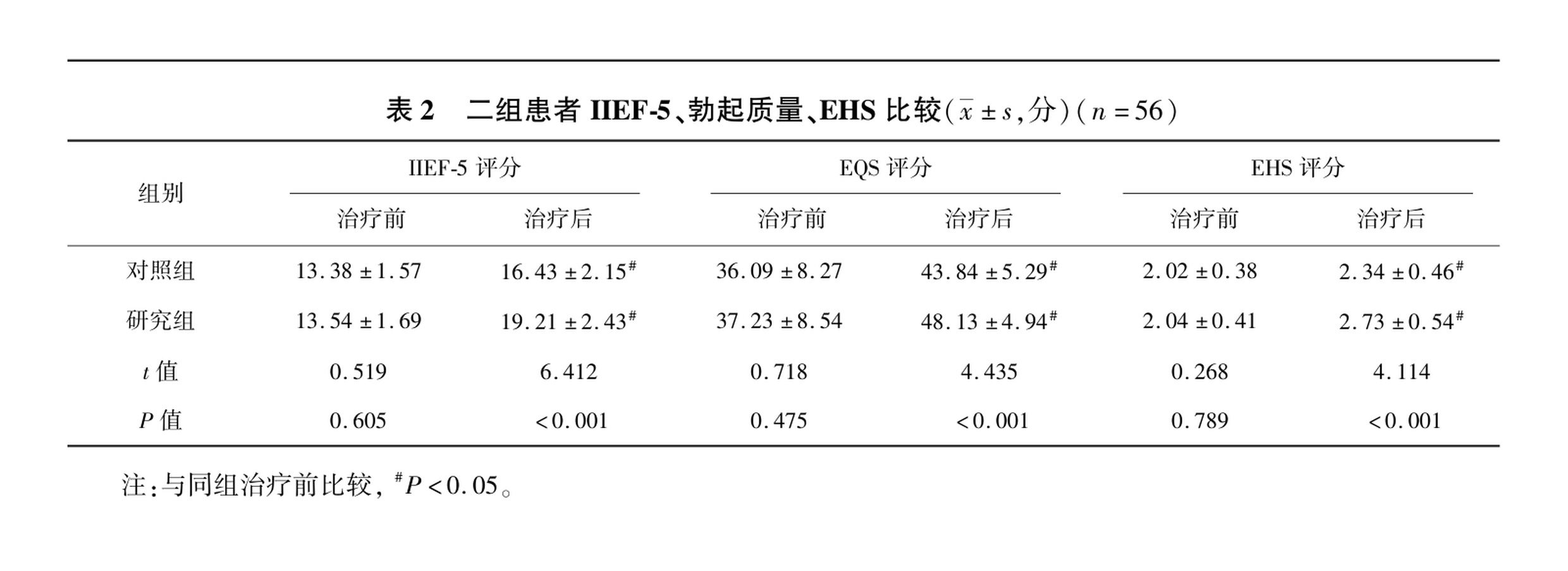
Fig. 6. Table 2: Comparison of erectile function, erection quality and erectile hardness
In the LIPUS monotherapy group, the score rose from 13.4 to 16.4, a mean increase of 3.05 points; in the combination group, it rose from 13.5 to 19.2, a mean increase of 5.67 points. For erection quality (EQS) and erectile hardness (EHS), both groups improved from baseline, with a greater magnitude of improvement in the combination group.
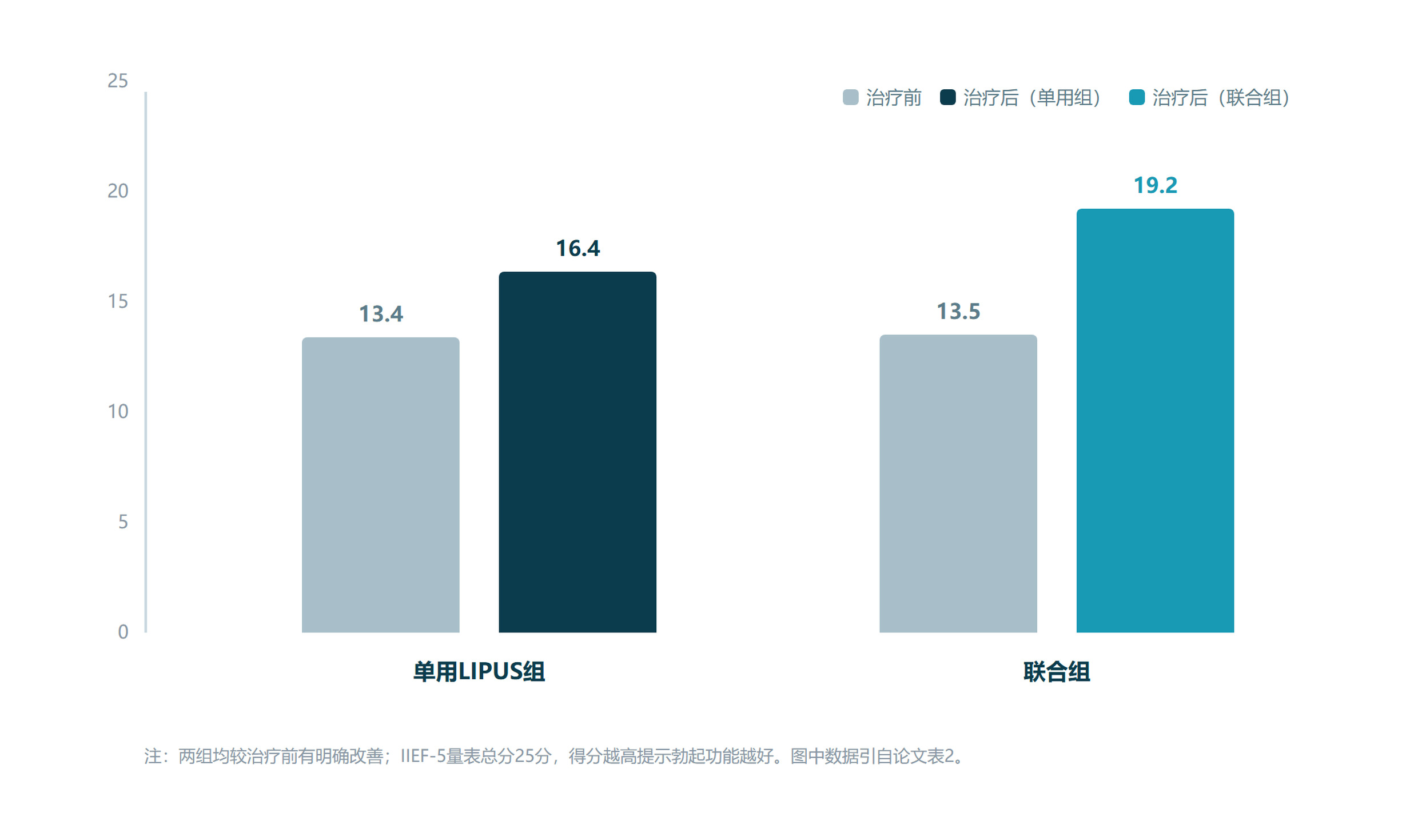
Fig. 7. Changes in IIEF-5 scores: both groups showed clear improvement from baseline
112
patients randomized
4
-week course
6
-month follow-up
04SAFETY & FOLLOW-UP
Safety and Follow-up Results
Safety. During treatment, neither group experienced adverse reactions such as gastrointestinal discomfort, skin irritation, dizziness or fatigue. Laboratory parameters including complete blood count and liver/kidney function showed no abnormalities, and no serious adverse events related to the treatment occurred.
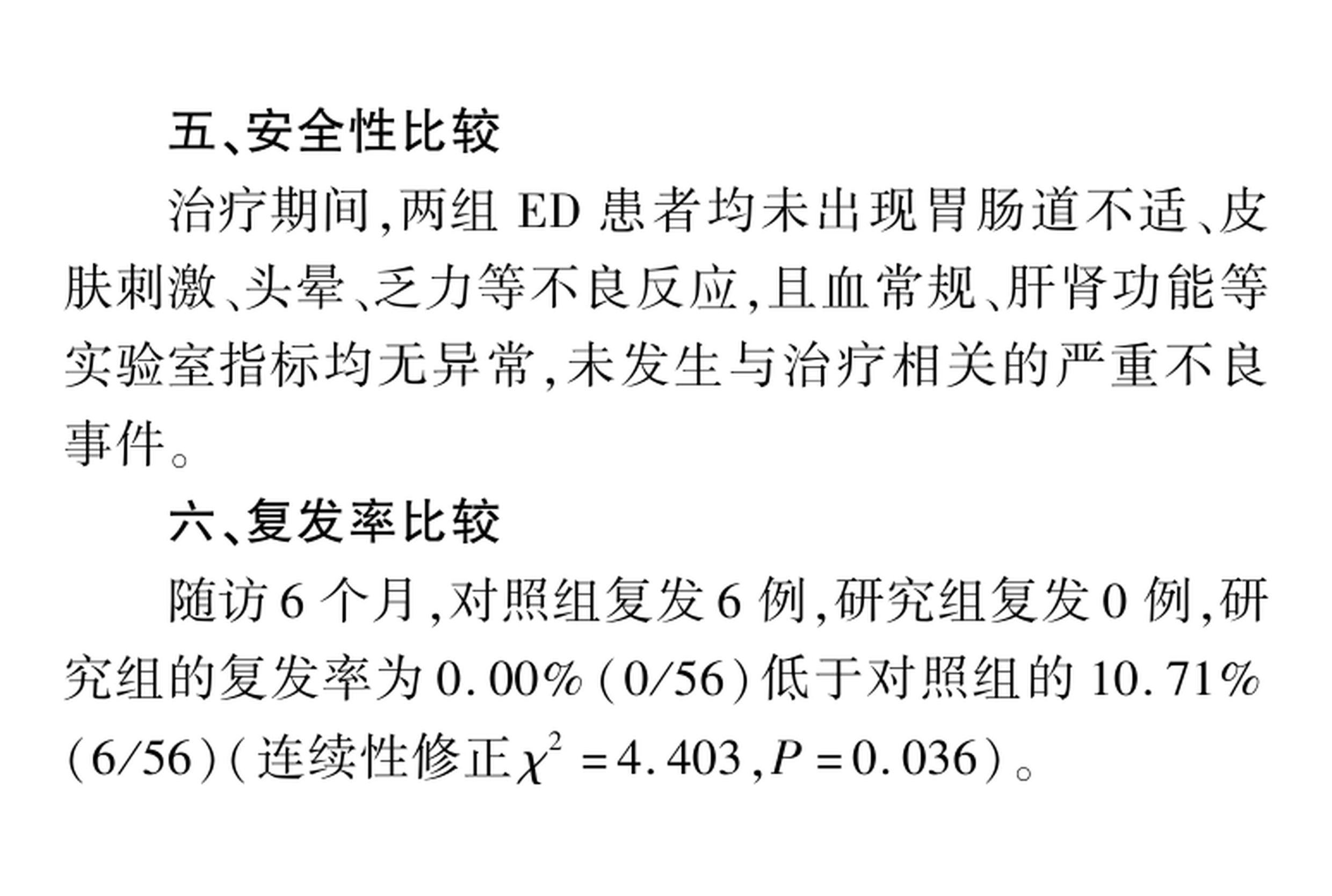
Fig. 8. Original text of the article: safety and recurrence rates
Follow-up. Within 6 months after treatment, no recurrence occurred in the combination group, compared with 6 cases in the LIPUS monotherapy group. It should be noted that this was a single-center, small-sample exploratory study, and this result awaits verification in larger samples.
05MECHANISM
Mechanism: Improved Perfusion and Modulation of the Internal Environment
The two interventions act at different points in the pathophysiological process.
WBL LIPUS delivers physical energy and acts primarily on local blood perfusion and tissue repair: low-intensity ultrasound promotes local blood circulation and accelerates the repair of damaged tissue, improving the fundamental condition of “blood supply”.
Liuwei Dihuang Wan focuses on systemic regulation: the formula nourishes kidney yin, and modern pharmacological studies suggest that it modulates the hypothalamic-pituitary-gonadal axis, exerts antioxidant effects, and improves vascular endothelial function.
One set of data in the article reflects this complementary action. Endothelin-1 mainly causes vasoconstriction, while nitric oxide mainly causes vasodilation; the balance between them directly affects local blood flow. After 4 weeks of treatment, endothelin-1 decreased to 27.46 ng/L and nitric oxide increased to 92.83 μmol/L in the combination group, with greater changes than in the monotherapy group, suggesting a shift of vascular tone toward dilation.
It should be noted that the above mechanism represents the authors’ analysis based on existing literature; the study did not directly verify it at the cellular level.
06CONCLUSION
Authors' Conclusions and Study Limitations
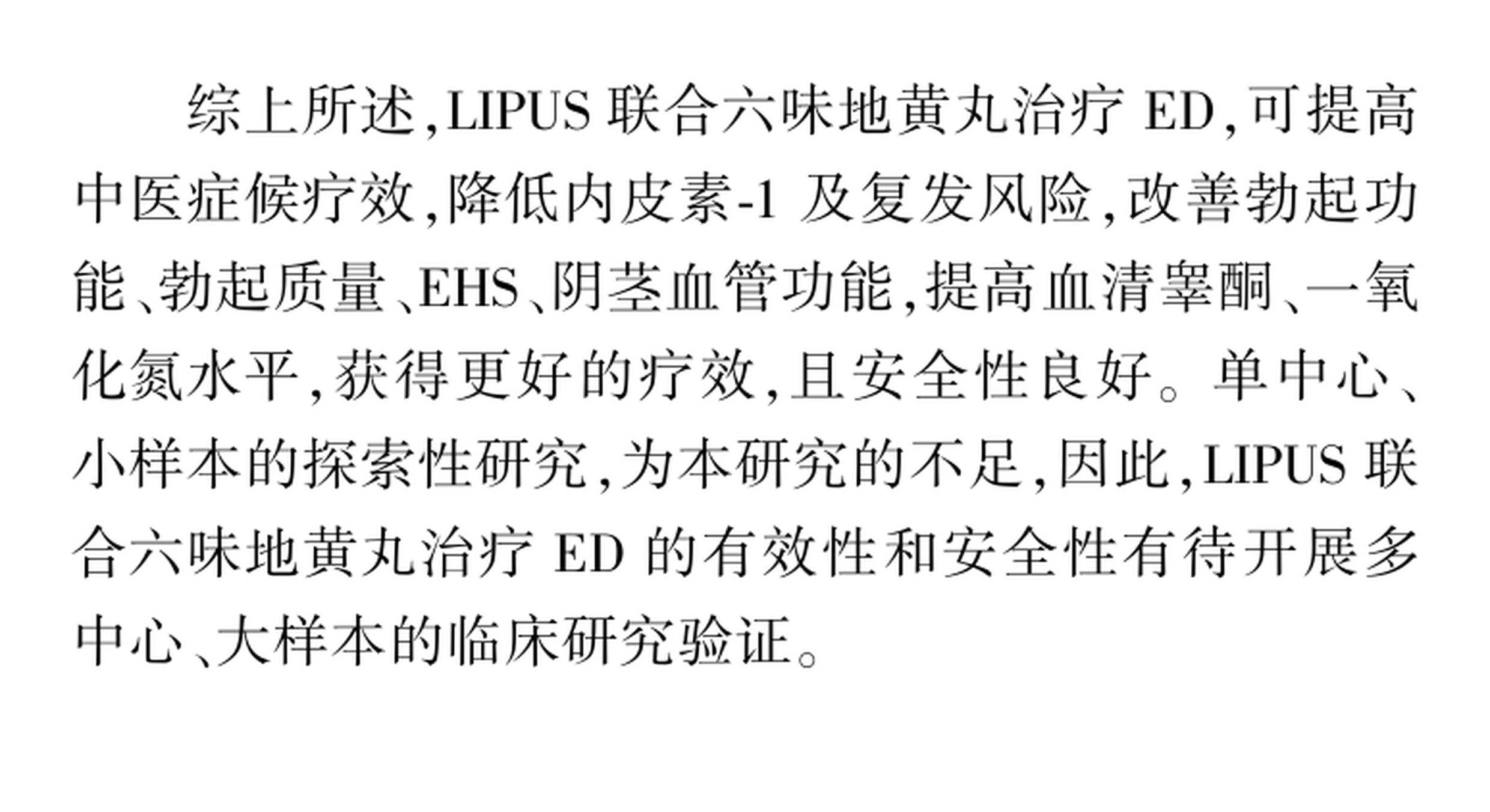
Fig. 9. Final paragraph of the Discussion: conclusions and study limitations
The authors conclude that the combination regimen achieved better efficacy with good safety. At the same time, the authors explicitly note the study’s limitations — it was a single-center, small-sample exploratory study, and its efficacy and safety await verification in multi-center, large-sample clinical studies.
Two points deserve attention: first, the enrolled patients were diagnosed with “kidney yin deficiency” according to TCM syndrome differentiation, and Liuwei Dihuang Wan is a syndrome-differentiated medication, not applicable to all patients with ED; second, ED has complex causes, and the type and etiology should be clarified before determining a treatment plan.
MEDICAL ADVICE: If relevant symptoms persist for more than 3 months, consultation at the urology or andrology department of a qualified hospital is recommended. LIPUS therapy and Liuwei Dihuang Wan each have their own indications and contraindications, and the specific plan should be determined by the treating physician based on individual conditions.
07EQUIPMENT
Why the Device Could Be Used in a Clinical Trial
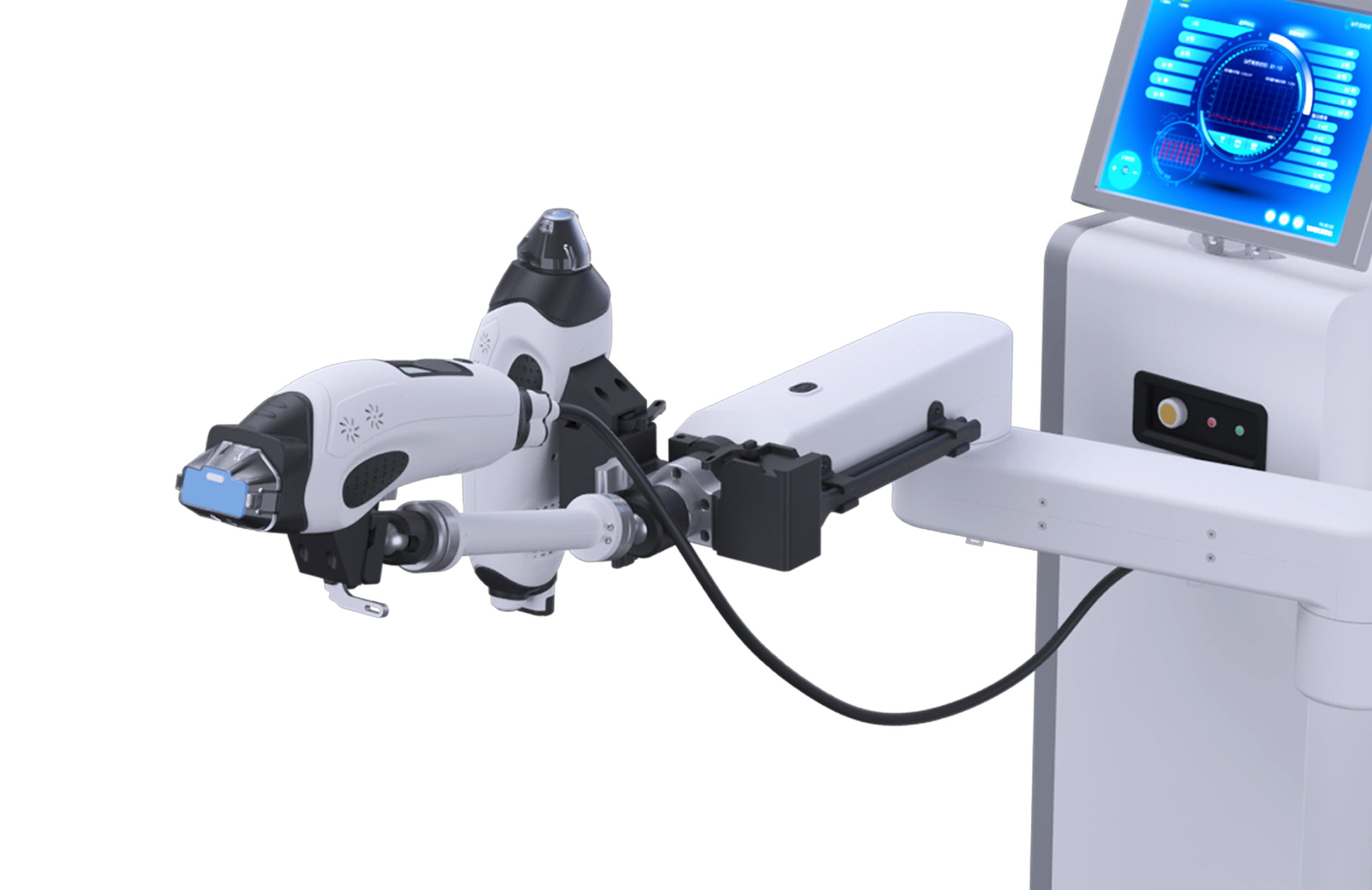
▲图10·LIPUS treatment probe
Clinical research imposes a fundamental methodological requirement — reproducibility. Other institutions following the published description and using the same parameters should be able to obtain comparable results. The article must therefore completely document the device model, frequency, intensity and treatment duration.
This places specific demands on the device: parameters must be precisely settable and output must remain stable throughout the treatment course; and a 4-week course must have a good safety profile. The fact that physicians specified the device model in the Methods section is itself a reflection of frontline clinical trust in this device.
The more completely the methodology is documented, the more robust the conclusions.
What the device must do is let physicians confidently put its model number in print.
08REFERENCE
Literature Source
ArticleEfficacy of Low-Intensity Pulsed Ultrasound Combined with Liuwei Dihuang Wan in the Treatment of Erectile Dysfunction
JournalChinese Journal of Andrology, 2026, Vol. 40, No. 2
AuthorsQin Kesong, Pu Jianjun, Lin Kefei
AffiliationDepartment of Urology, Tianjin PKU Care Haoyoushi Hospital
FundingTianjin Health Science and Technology Project (KJ202356)

Fig. 11. QR code for the original article: scan to read the full study
About Wanbeili
WBL LIPUS low-intensity pulsed ultrasound technology was first advocated by Academician Guo Yinglu. The company subsequently engaged in long-term industry-academia-research collaboration with Prof. Tom Lue’s team at the University of California, San Francisco (UCSF), Prof. Zhongcheng Xin and other urology/andrology experts at home and abroad, progressively completing clinical translation.
Beijing Wanbeili Medical Device Co., Ltd. is a National High-Tech Enterprise and a Beijing “Specialized, Refined, Distinctive and Innovative” SME, certified under the ISO9001 quality management system; its LIPUS devices have been adopted by many top-tier (Grade IIIA) and municipal hospitals in China, and deployed at King Chulalongkorn Memorial Hospital in Thailand. The product won a 2025 IDEA Design Award, and the company was featured on CCTV’s Science and Innovation China program for this technology.

LIPUSLow-Intensity Pulsed UltrasoundLiuwei Dihuang WanClinical Study
—◆—
This article is intended for health education and academic information exchange only and does not constitute medical advice. The data cited are from a published clinical study and reflect group-level statistical results under specific study conditions; they do not represent individual outcomes. Please follow your physician’s advice for diagnosis and treatment.
— END —