
WBL LIPUS · Evidence-based Observation
Real-world Treatment Records of 48 Severe ED Patients
Two pathways: LIPUS alone vs. LIPUS plus tadalafil
Objective evidence of improved penile hemodynamics
Retrospective cohort study · published 2024 in Translational Andrology and Urology | Andrology team, Nanjing Drum Tower Hospital | Device: WBL-ED low-intensity pulsed ultrasound therapeutic device
In this retrospective analysis, 48 men with severe erectile dysfunction (ED) were included — 27 treated with WBL LIPUS alone and 21 with LIPUS plus daily 10 mg tadalafil. After treatment, both groups showed marked improvement in IIEF-EF score and erectile hardness, sustained at the 12-week follow-up. In the 6 patients with complete color duplex Doppler ultrasound (CDDU) data, measurable improvements in penile arterial flow parameters were documented. No adverse events were recorded throughout treatment and follow-up.
Key figures
48 patients Severe ED included in this retrospective analysis (IIEF-EF ≤ 10)
≥ 3 months Durability window (no statistical difference between week 4 and week 12)
6 patients Completed CDDU with objective hemodynamic data
0 events No adverse events during treatment or follow-up
I. Treatment Setting: How the 48 Patients Received LIPUS
In the andrology clinic, patients with severe ED (IIEF-EF ≤ 10) remain one of the most challenging populations. Beyond oral medication, clinicians have been searching for new non-invasive options, and low-intensity pulsed ultrasound (LIPUS) is one of the directions under exploration.
In 2024, Translational Andrology and Urology published a retrospective cohort study by the andrology team of Nanjing Drum Tower Hospital, The Affiliated Hospital of Nanjing University Medical School. Using the WBL-ED low-intensity pulsed ultrasound therapeutic device (Beijing WBL Medical Instrument Co., Ltd.) as the intervention, the study reviewed the clinical records of 48 patients with severe ED. As the authors stated in the discussion, to their knowledge no study had systematically evaluated the efficacy and safety of LIPUS, or LIPUS combined with tadalafil, in severe ED.
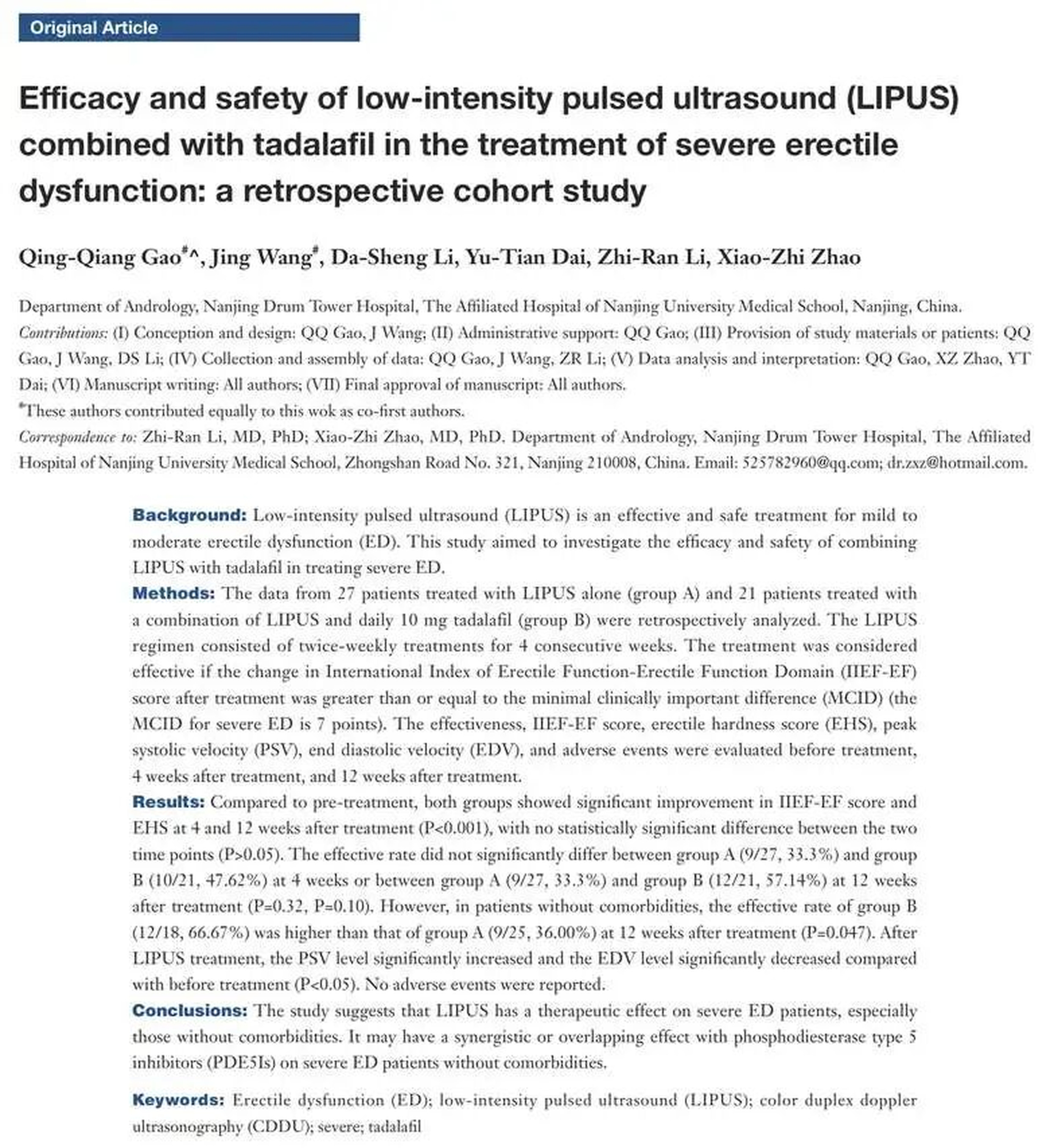
Figure 1 · The paper published in Translational Andrology and Urology (first page)
According to the methods section, treatment was performed in the outpatient treatment room with the WBL-ED device, twice weekly for 4 consecutive weeks. Key parameters: ultrasound frequency 1.7 MHz, pulse duration 200 μs, duty cycle 1:4, probe intensity 200 mW/cm². Four sites — the bilateral penile shaft and crura — were treated, 5 minutes per site, about 20 minutes per session.
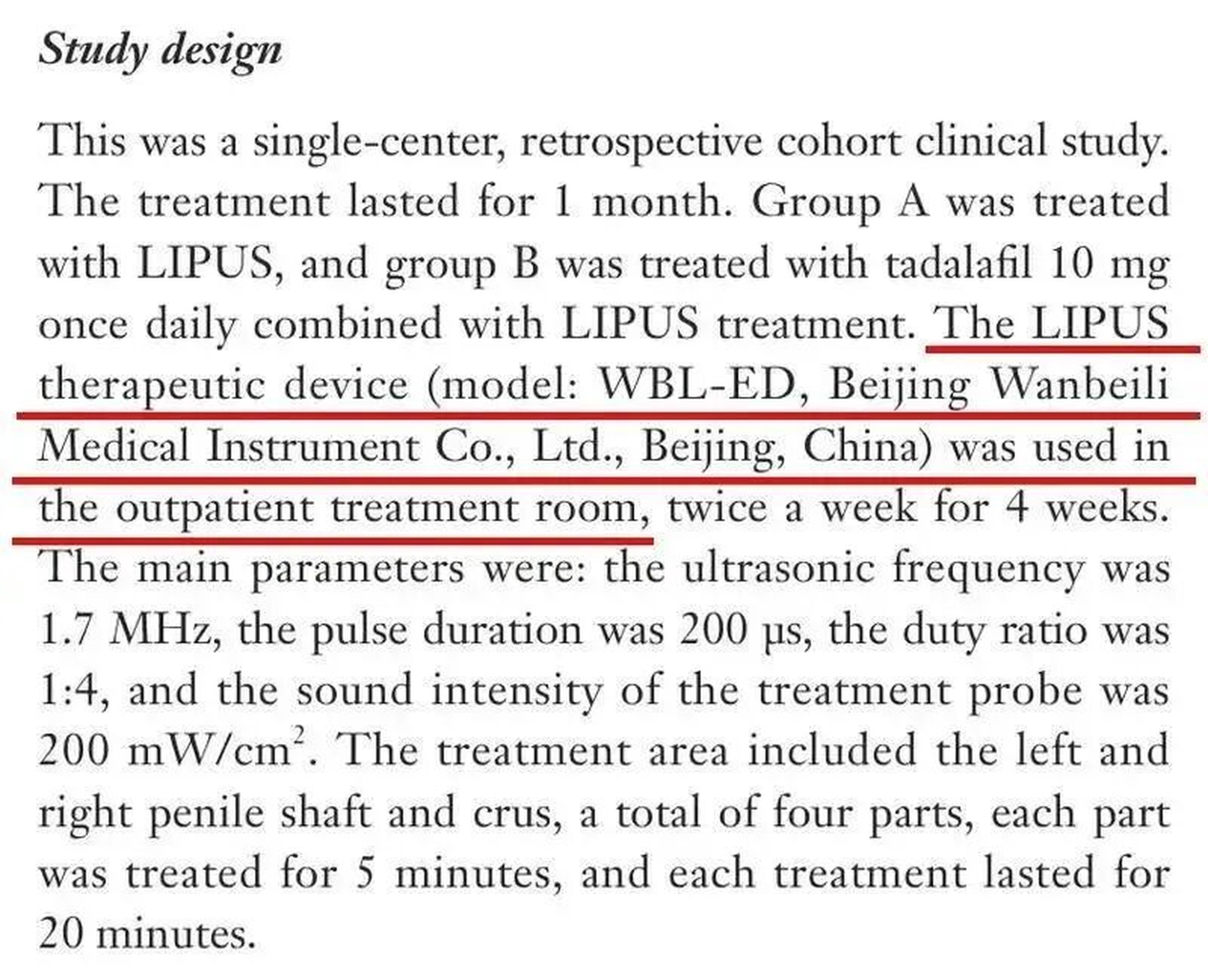
Figure 2 · Excerpt from the paper's methods, with the device model and manufacturer underlined in red
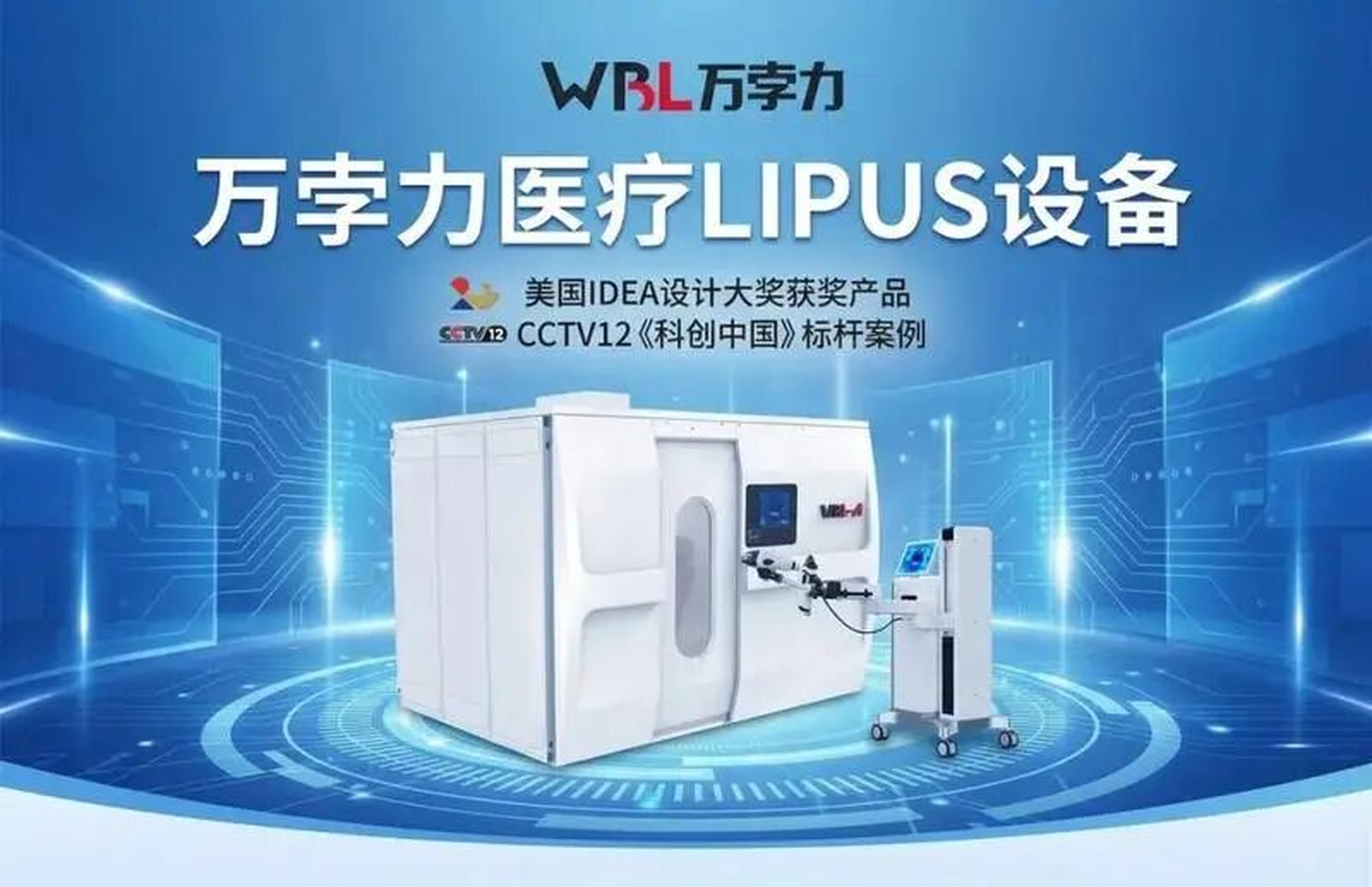
Figure 3 · WBL-ED low-intensity pulsed ultrasound therapeutic device
The study reviewed 48 severe ED records (IIEF-EF ≤ 10) from June 2020 to December 2023, divided by the regimen actually received. The two groups were well balanced in age, disease duration, body mass index, baseline scores and comorbidities (P > 0.05).
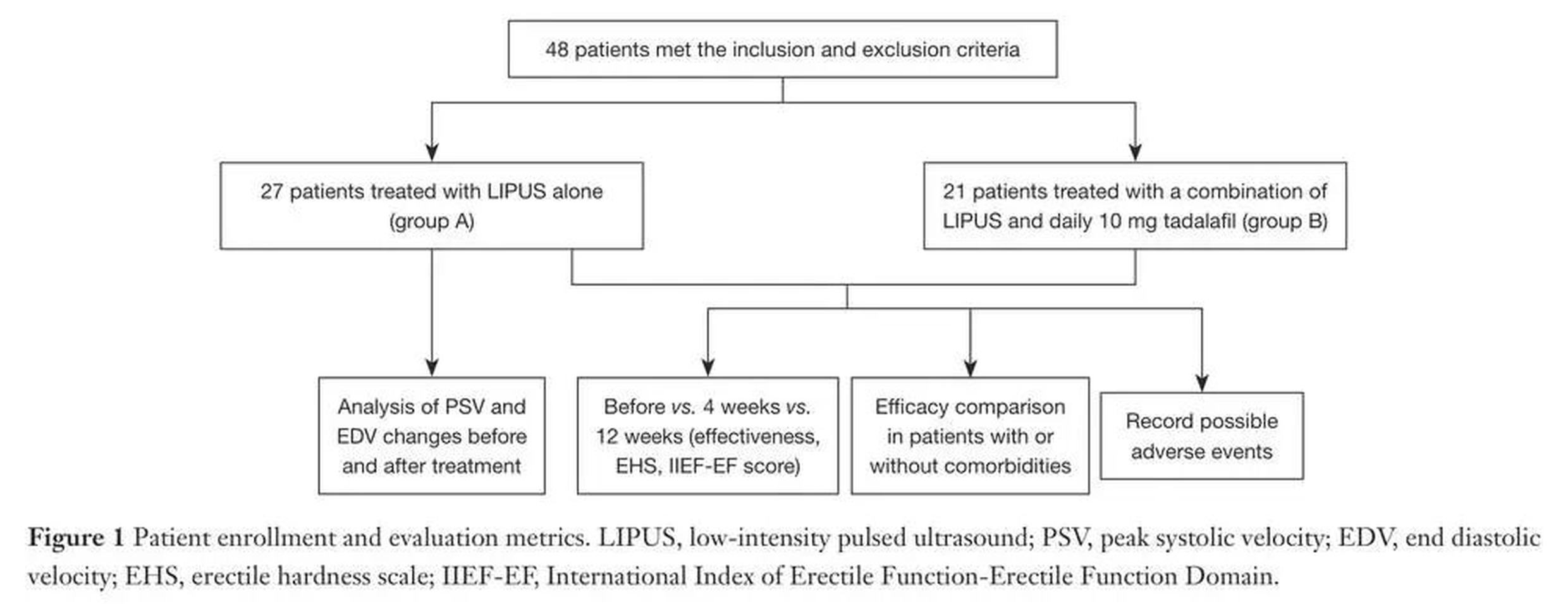
Figure 4 · Patient enrollment and evaluation pathway (Figure 1 of the paper)
Group A · 27 patients · LIPUS alone
Twice weekly · 4 weeks · 8 sessions in total
Group B · 21 patients · LIPUS plus tadalafil
Tadalafil once daily · 10 mg orally
Responder definition: a change in IIEF-EF score reaching the minimal clinically important difference (MCID; 7 points for severe ED)
Follow-up points: baseline, 4 weeks and 12 weeks after treatment
II. FOLLOW-UP
II. Efficacy Follow-up: Improvement Maintained at 12 Weeks
In both groups, IIEF-EF score and erectile hardness score (EHS) improved significantly from baseline at both week 4 and week 12 (P < 0.001), with no statistical difference between the two time points — the improvement was not transient and remained stable for at least 3 months.
| Follow-up | Group A · LIPUS alone (n=27) | Group B · plus tadalafil (n=21) |
|---|---|---|
| Week 4 | 9/27 (33.33%) | 10/21 (47.62%) |
| Week 12 | 9/27 (33.33%) | 12/21 (57.14%) |
| Without comorbidities · week 12 | 9/25 (36.00%) | 12/18 (66.67%) |
Note: response was defined by the MCID in IIEF-EF score (7 points for severe ED). Overall, the differences in response rates between groups were not statistically significant (P=0.32 and P=0.10); the table lists responders at each follow-up point.
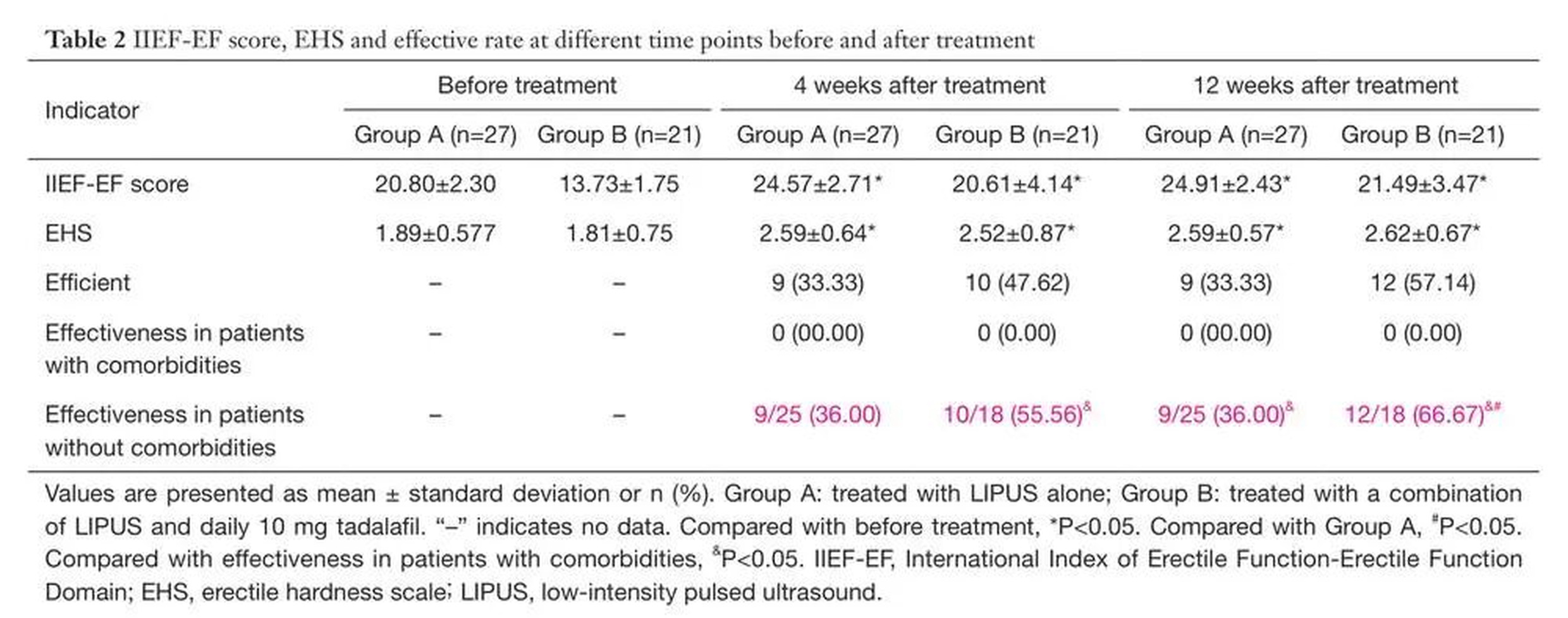
Figure 5 · Table 2 of the paper: IIEF-EF, EHS and response rates at each time point
A notable detail: over time, the proportion of responders in the LIPUS group showed a delayed upward curve. The authors inferred that the repair of penile vascular endothelial function induced by LIPUS may be time-dependent, consistent with reports on low-energy physical therapies.
III. OBJECTIVE EVIDENCE
III. Objective Evidence: Penile Hemodynamics on Duplex Ultrasound
The most solid part of this study is that it examined the effect of LIPUS at the hemodynamic level. Among the 6 patients with complete CDDU data, peak systolic velocity (PSV) of the cavernous arteries rose and end diastolic velocity (EDV) fell after treatment, both with statistical significance (P < 0.05).
| Parameter | Before (n=6) | After (n=6) | P value |
|---|---|---|---|
| Left PSV (cm/s) | 33.29±11.70 | 45.74±5.66 | 0.01 |
| Right PSV (cm/s) | 29.81±13.24 | 39.71±7.49 | 0.047 |
| Left EDV (cm/s) | 5.88±5.22 | 1.00±2.44 | 0.048 |
| Right EDV (cm/s) | 6.24±5.74 | 0.19±0.46 | 0.04 |
Note: values are mean ± standard deviation in cm/s. Rising PSV and falling EDV together point to improved penile arterial supply and veno-occlusive function.
The authors explained that after LIPUS treatment, the pathological structure of the penis improved to some extent, which in turn enhanced arterial blood supply and veno-occlusive function.
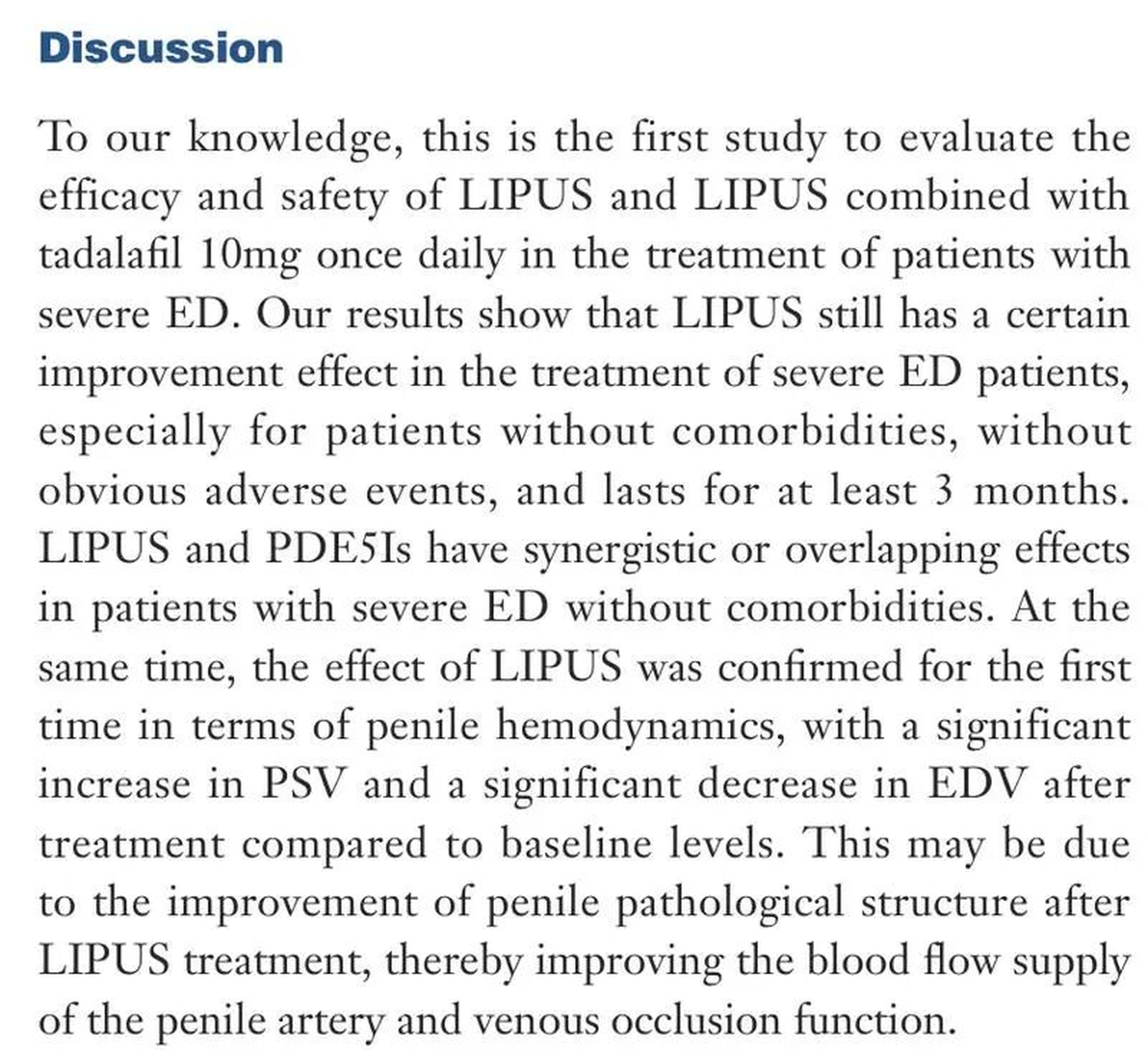
Figure 6 · Opening of the discussion: the LIPUS study in severe ED and hemodynamic evidence
“To our knowledge, this is the first study to evaluate the efficacy and safety of LIPUS and LIPUS combined with once-daily 10 mg tadalafil in patients with severe ED... The effect of LIPUS was confirmed in penile hemodynamics for the first time: compared with baseline, PSV increased significantly and EDV decreased significantly after treatment.” — from the paper
IV. SIGNAL & SAFETY
IV. Combination Signal and Safety Record
Focusing on patients without comorbidities: at the 12-week follow-up, two-thirds of the combination group reached the response criterion. The authors proposed that LIPUS and PDE5 inhibitors may have synergistic or overlapping effects in severe ED patients without comorbidities, while the exact mechanism awaits further study.
On the other hand, patients with comorbidities such as hypertension or diabetes generally improved less than those without. The paper remained cautious — the number of comorbid cases was limited, and larger samples are needed.
Regarding safety, none of the 48 patients experienced local bleeding, purpura, pain, numbness, tingling or other adverse events during treatment and follow-up. This relates to the low-intensity, pulsed energy output: minimal heat generation, with effects mainly mediated through non-thermal biological pathways, and overall good tolerance.

Figure 7 · QR code to the open-access full text (PMC)
V. EVIDENCE MAP
V. Placing This Study in WBL's Clinical Evidence Map
Viewed within WBL's evidence map, this study adds a key piece — the andrology team of Nanjing Drum Tower Hospital documented, in a peer-reviewed paper, the standardized application, hemodynamic data and safety observations of the WBL-ED device in severe ED.
Looking back along the timeline: in 2019 Translational Andrology and Urology published the multicenter randomized double-blind sham-controlled study in mild-to-moderate ED; in 2024 the same journal included this retrospective cohort in severe ED; and in 2025, Frontiers in Reproductive Health added an RCT in CP/CPPS. The applicable population has advanced from mild-to-moderate to severe, and the indication extended from ED to chronic prostatitis/chronic pelvic pain syndrome — the evidence base of WBL LIPUS keeps accumulating.
A final reminder: whether LIPUS treatment is appropriate should be determined by a urologist or andrologist based on individual assessment. Do not self-decide.
Another well-documented piece of clinical data has been added to the non-invasive treatment of severe ED.
About WBL | WBL Medical Group
Beijing WBL Medical Instrument Co., Ltd. (WBL) focuses on non-invasive men's health solutions. It is a national high-tech enterprise, a Beijing “specialized and sophisticated” SME, and ISO 9001 certified. Its LIPUS technology was advocated by academician Guo Yinglu, with long-term industry-academia collaboration with Prof. Tom F. Lue's team at UCSF, Prof. Xin Zhongcheng and other urology experts. The device has entered many tertiary and city-level hospitals in China and Chulalongkorn Memorial Hospital in Thailand; the product won the 2025 IDEA Design Award, and the company was featured on CCTV's Sci-Tech China program.
FOLLOW US
Follow Us

WBL WeChat
Scan to follow for clinical updates

LIPUS.COM
Official site: technology & products
Full text (open access): https://pmc.ncbi.nlm.nih.gov/articles/PMC11491205
DOI: 10.21037/tau-24-154 | PMID: 39434752
This article is a summary of published research for health education purposes and is not medical advice; diagnosis and treatment should follow physicians' guidance. Statements are subject to the original paper and regulatory status in each country. If symptoms persist (e.g. over 3 months), please visit a certified urology or andrology department. Data are cited from the original paper; copyrights of figures belong to the authors and the journal.