
From Treatment Parameters to Clinical Evidence
WBL LIPUS in Severe ED Research
Urology and Andrology Team, Shanghai General Hospital, Shanghai Jiao Tong University School of Medicine · Accepted by Current Urology
On September 9, 2026, Current Urology, an international urology journal, published online a prospective study entitled “Low-intensity pulsed ultrasound for severe erectile dysfunction: A prospective study with 3-year follow-up” (DOI: 10.1097/CU9.0000000000000369). The study was conducted by the urology and andrology team of Shanghai General Hospital, Shanghai Jiao Tong University School of Medicine, with Prof. Li Zheng as corresponding author. The paper is open access.
In the “Treatment Method” section, the paper explicitly documents the device used: the WBL-ED therapeutic device (Beijing Wanbeili Medical Instrument Co., Ltd.), equipped with ED-ZLT-F probes.
In the medical device field, having a device documented in the “Methods” section of a study carries specific weight. It is not a casual mention: it means the device, as a reproducible treatment modality, was incorporated into the study design — its model, probes and acoustic parameters together form part of the protocol for international peers to reference. This confirms the device's technical conditions and sets clear requirements for output stability and operational standardization.
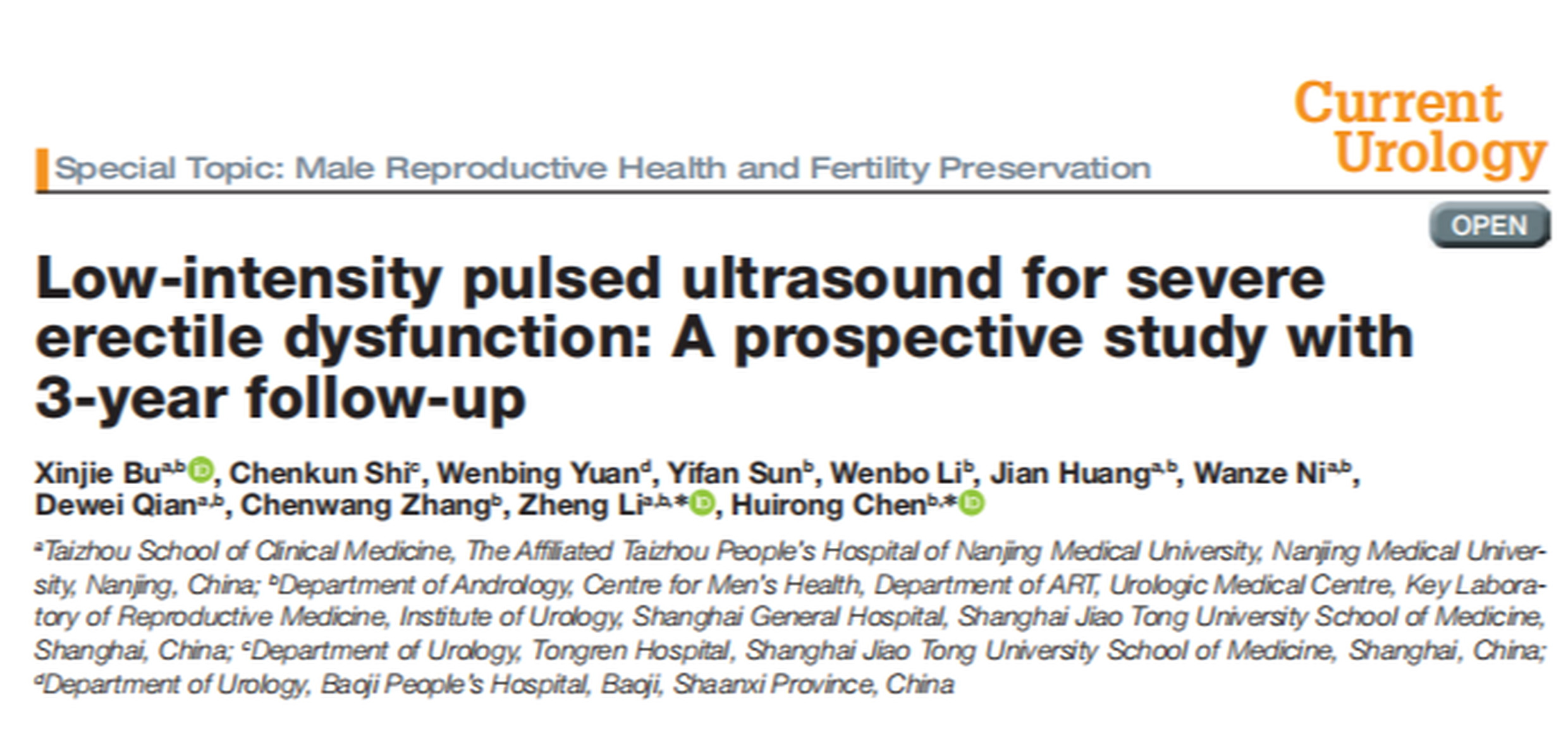
First page of the paper (Current Urology, published online 2026)
From treatment parameters and operating procedures to clinical evidence and industrialization, a complete technical pathway unfolds.
1. Treatment Parameters: From “Settable” to “Reproducible”
The basic requirement of clinical research for a treatment modality is a clear, reproducible description. The methods section of the paper records the treatment protocol in considerable detail:
Acoustic parameters: intensity 0.3 W/cm², frequency 1.7 MHz, pulse duration 200 μs, duty cycle 20%
Treatment sites: four sites — left and right penile shaft and left and right crura, 5 minutes each, 20 minutes per session
Treatment schedule: twice weekly for 4 consecutive weeks, 8 sessions in total
Whether these parameters can be delivered stably directly affects the credibility of the study data. Low-intensity pulsed ultrasound (LIPUS) acts on tissue through low-intensity, pulsed mechanical waves rather than thermal effects or mechanical fragmentation. Precisely because the intensity is low and the effective window narrow, the device faces higher demands on output precision and repeatability — without stable reproducibility, the research could not stand.
The technical parameters of the WBL LIPUS platform cover frequencies of 1–1.7 MHz, intensities <3 W/cm², pulsed output, and a duty cycle of approximately 1:4. The 0.3 W/cm², 1.7 MHz and 20% duty cycle adopted in this study all fall within this controllable range.
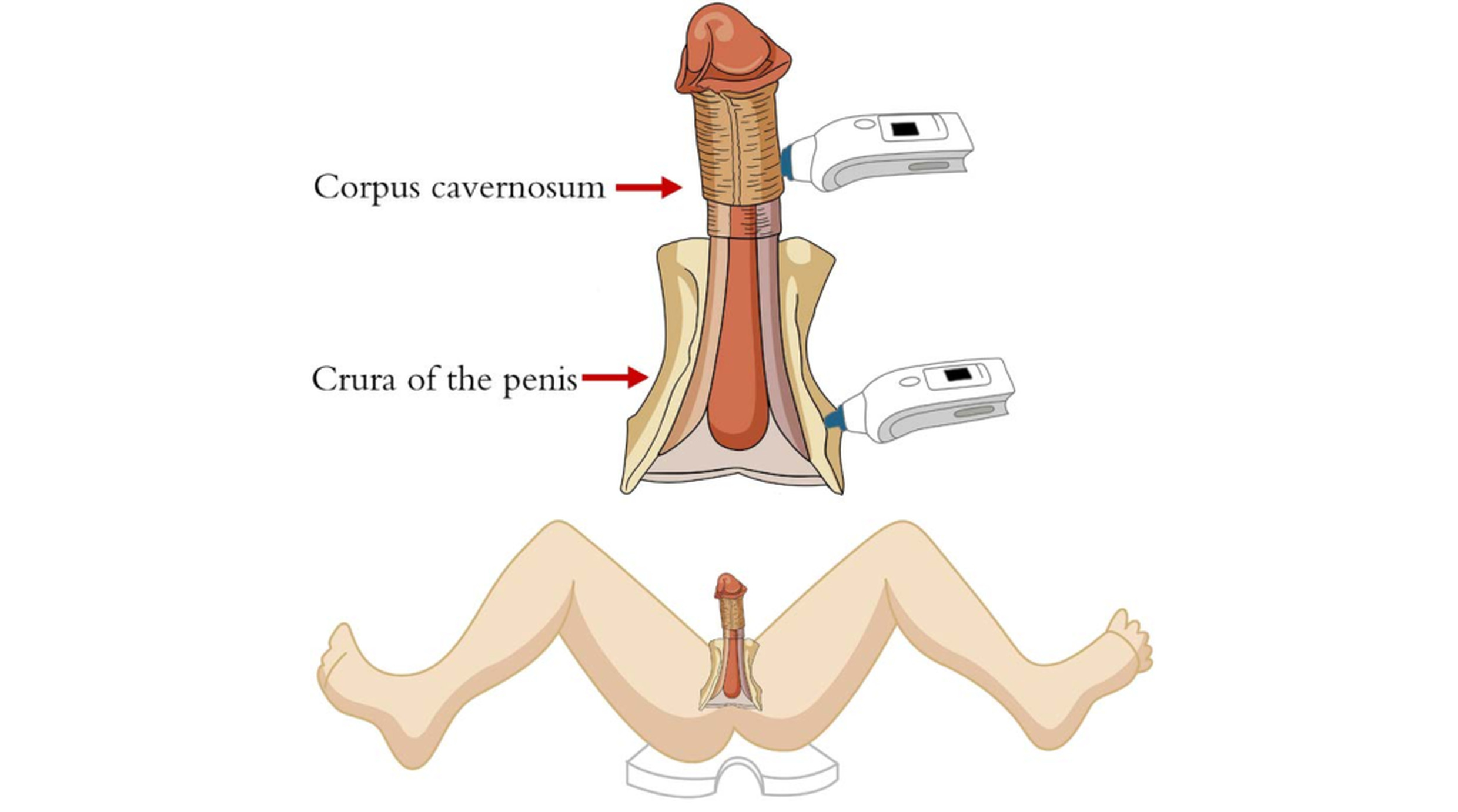
LIPUS treatment site diagram (left/right penile shaft and crura, 5 minutes each)
2. Operating Procedures: From “Single Device” to “Standard Protocol”
For a device to enter clinical practice, the key is whether the workflow can be standardized. Several details of the study protocol are worth noting:
First, a 2-week washout period after enrollment — PDE5 inhibitors and other ED-related medications were discontinued to eliminate residual drug effects on efficacy assessment, a standard practice in regulated clinical research.
Second, a disposable rubber membrane was used for each session, meeting infection-control and operational requirements and indicating that the device was designed for real clinical settings.
Third, four treatment sites in fixed order with fixed duration make the entire workflow reproducible by other medical institutions.
The WBL-ED device has been deployed in many Chinese hospitals in the form of the “ED Space Capsule”: an independent space with a standardized operating pathway that effectively solidifies the above workflow, so that it does not depend on any individual physician's personal technique. After installation, medical teams can deliver treatment following the established protocol.
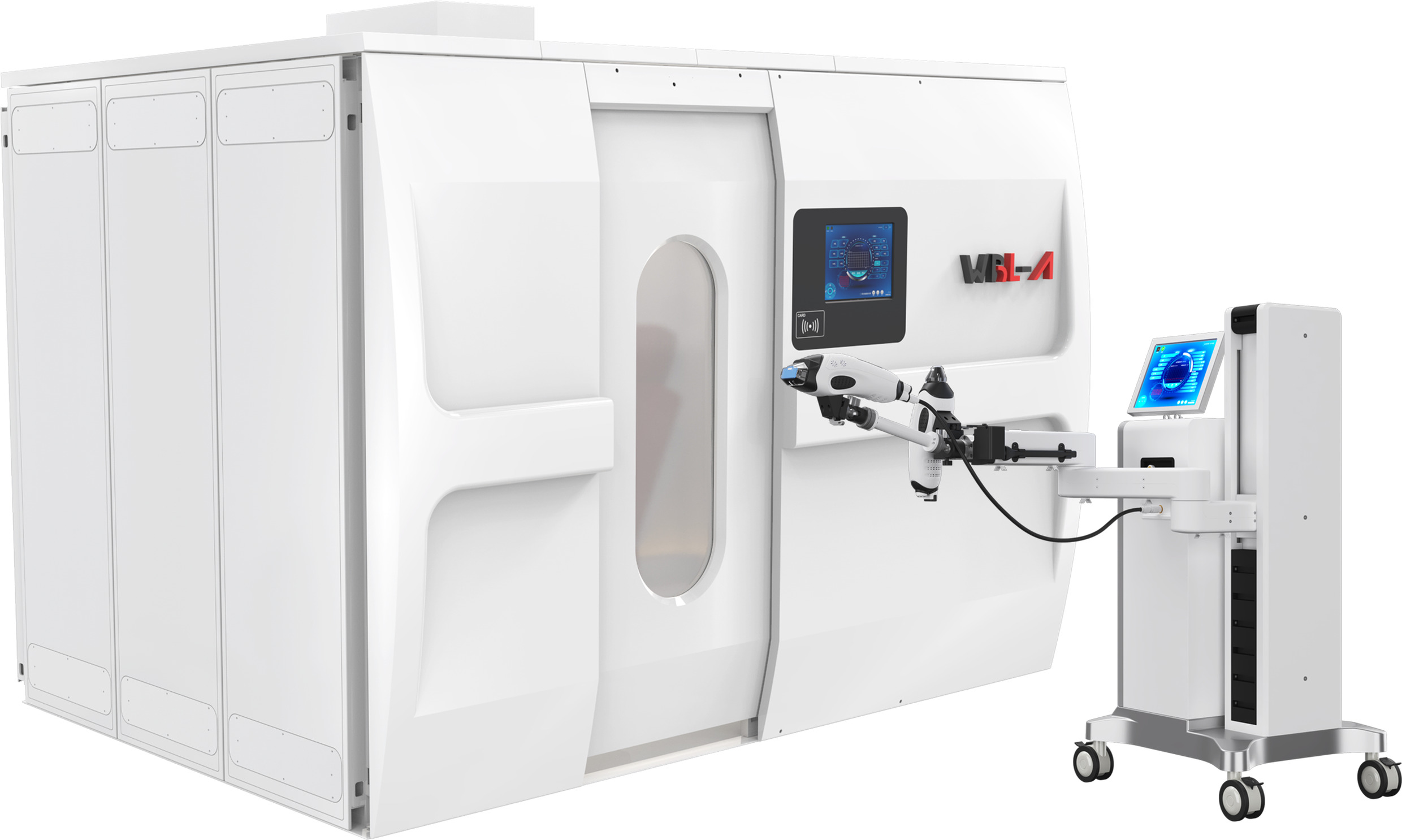
WBL-ED low-intensity pulsed ultrasound therapeutic device (ED Space Capsule form)
From a single device to a replicable treatment protocol is the key step for a medical device to truly enter clinical application.
3. Clinical Evidence: Short-term Within-group Changes and 3-year Follow-up
With the device conditions in place, acceptance by a journal depends on the clinical data itself. This study provides a fairly complete record.
(1) 8-week short-term results (43 completers with paired assessments, within-group changes)
IIEF-EF score: increased from a baseline of 6.98 to 14.53, a mean gain of 7.56 points (95% CI 5.38–9.73, p<0.001)
Clinically meaningful improvement: 22/43 (51.2%) met the minimal clinically important difference (MCID) criterion of ≥7 points
Erection Hardness Score (EHS): median improved from grade 1 to grade 3; 31 improved, 12 unchanged, none worsened
Morning erections: the proportion with morning erections rose from 54.8% to 81.0%
Psychological scales: PHQ-9 and GAD-7 scores decreased by an average of 2.70 and 2.09 points respectively
Safety: among the 43 cases with safety records, post-treatment pain VAS scores were all 0, with no adverse events recorded
(2) 3-year follow-up results (structured telephone follow-up, 20 completers)
80% reported successful penetration (SEP-2)
65% reported maintaining an erection to completion of intercourse (SEP-3)
70% perceived their erectile function as improved compared with baseline
55% reported improvement in sexual life satisfaction
The study also performed a worst-case analysis: counting the 23 subjects who could not be reached as “not improved”, the 3-year intention-to-treat rate was approximately 32.6% (14/43). The paper's proactive reporting of this more conservative estimate is an important reason it passed peer review.
The safety data deserve separate mention. For a therapy positioned as non-invasive and repeatable, safety is itself part of the therapeutic value. In this study, pain VAS scores were all 0 with no adverse events recorded — a point of practical reference when compared with invasive options such as intracavernosal injection or penile prosthesis implantation.
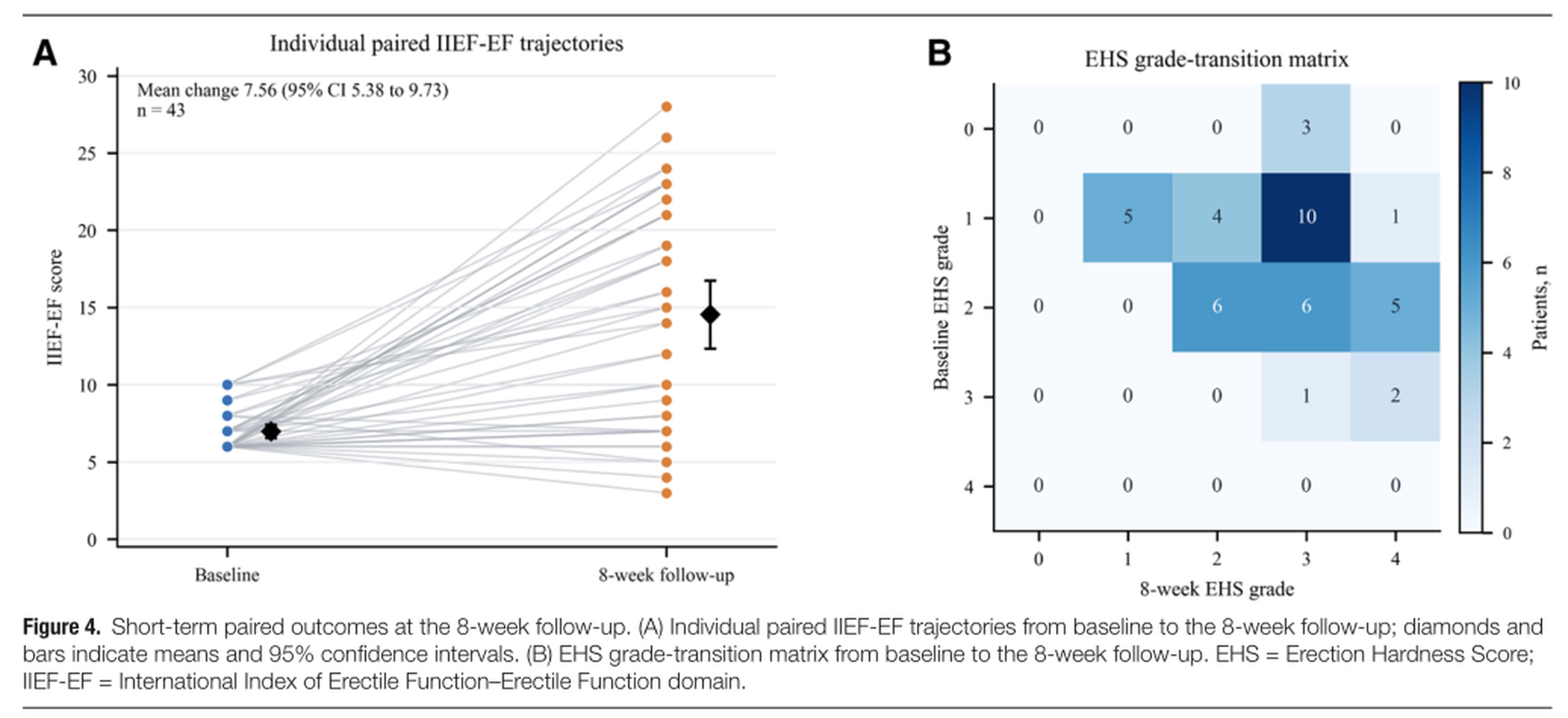
Week-8 paired results (A: individual IIEF-EF trajectories; B: EHS grade transition matrix)
4. Evidence System: Continuous Accumulation from Mild-moderate to Severe
A single study cannot establish the feasibility of a technical route; it is the continuously accumulating evidence system that supports it. The research sequence on LIPUS for erectile dysfunction now includes:
2019 · Translational Andrology and Urology · Mild-to-moderate ED, multicenter randomized double-blind sham-controlled
2022 · Journal of Sexual Medicine · 3-times vs 2-times weekly protocols (randomized)
2026 · Current Urology · Severe ED, single-center single-arm prospective observation + 3-year follow-up
From mild-moderate to severe, from short-term observation to 3-year follow-up, from multicenter randomized controlled trials to real-world single-arm observation, the clinical exploration of WBL LIPUS in ED shows a steadily deepening trend.
The paper's statement of its own limitations is equally rigorous: this study was a single-arm, exploratory observational design with attrition in long-term follow-up; the results need further validation in larger-sample, randomized, sham-controlled studies. Clearly defining the scope of conclusions is the proper attitude of clinical research.
5. Technology Translation: From Academic Record to Clinical Application
For WBL, the significance of this study goes beyond publication itself.
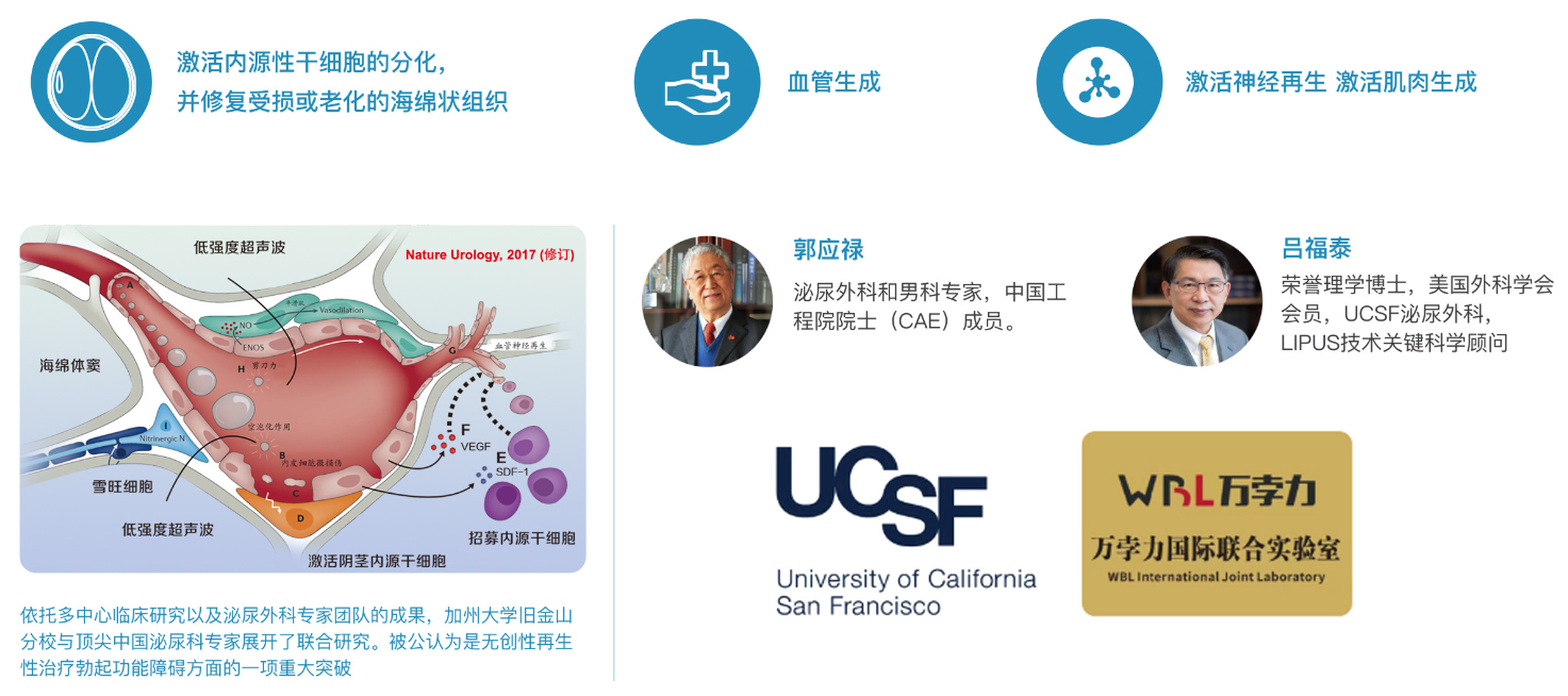
Regarding technical origins, the promotion of LIPUS in Chinese andrology was first advocated by Academician Guo Yinglu. Beijing Wanbeili Medical Instrument Co., Ltd. subsequently carried out long-term industry-university-research cooperation with Prof. Tom Lue's team at the University of California, San Francisco (UCSF), Prof. Xin Zhongcheng and other domestic and international urology and andrology experts, gradually completing clinical translation.
Regarding corporate qualifications, the company is a National High-Tech Enterprise (certificate No. GR202311004339) and a Beijing “Specialized, Refined, Distinctive and Innovative” SME (2024.02–2027.01), certified under the ISO 9001:2015 / GB/T 19001-2016 quality management system covering the manufacture and sale of ultrasound therapeutic equipment and accessories.
Regarding deployment, the device has entered many domestic tertiary and prefecture-level hospitals, including Liangshan Prefecture First Hospital in Sichuan and the “ED Cabin” of Kebei Hospital in Shaoxing; internationally it has been deployed at King Chulalongkorn Memorial Hospital in Thailand, with projects such as the Bali International Medical Center in Indonesia under way.
Regarding external recognition, the product won the 2025 IDEA Design Award (Finalist), and the company is the first Chinese medical device enterprise featured on CCTV's “Science and Technology China” program.
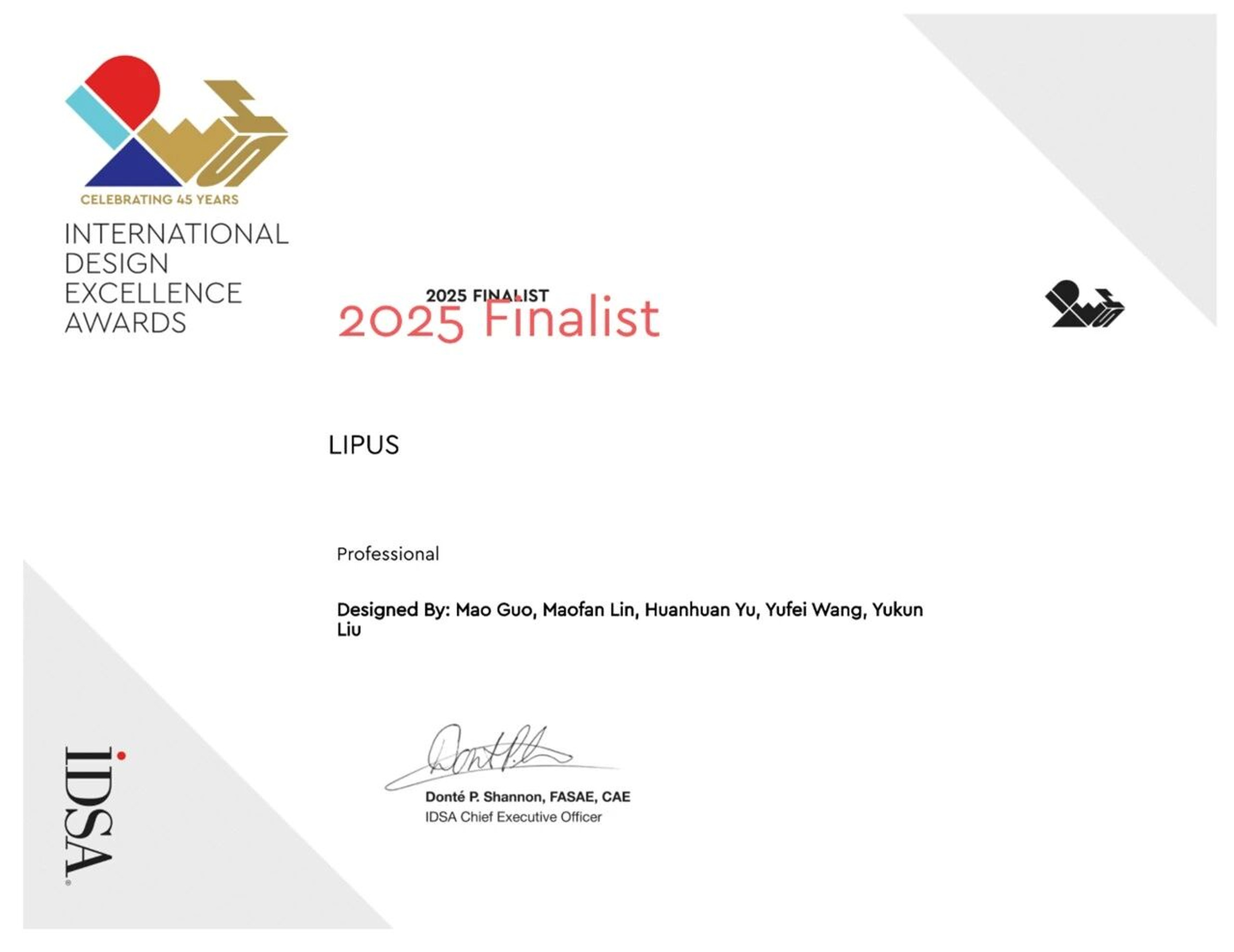
WBL LIPUS product won the 2025 IDEA Design Award (Finalist)
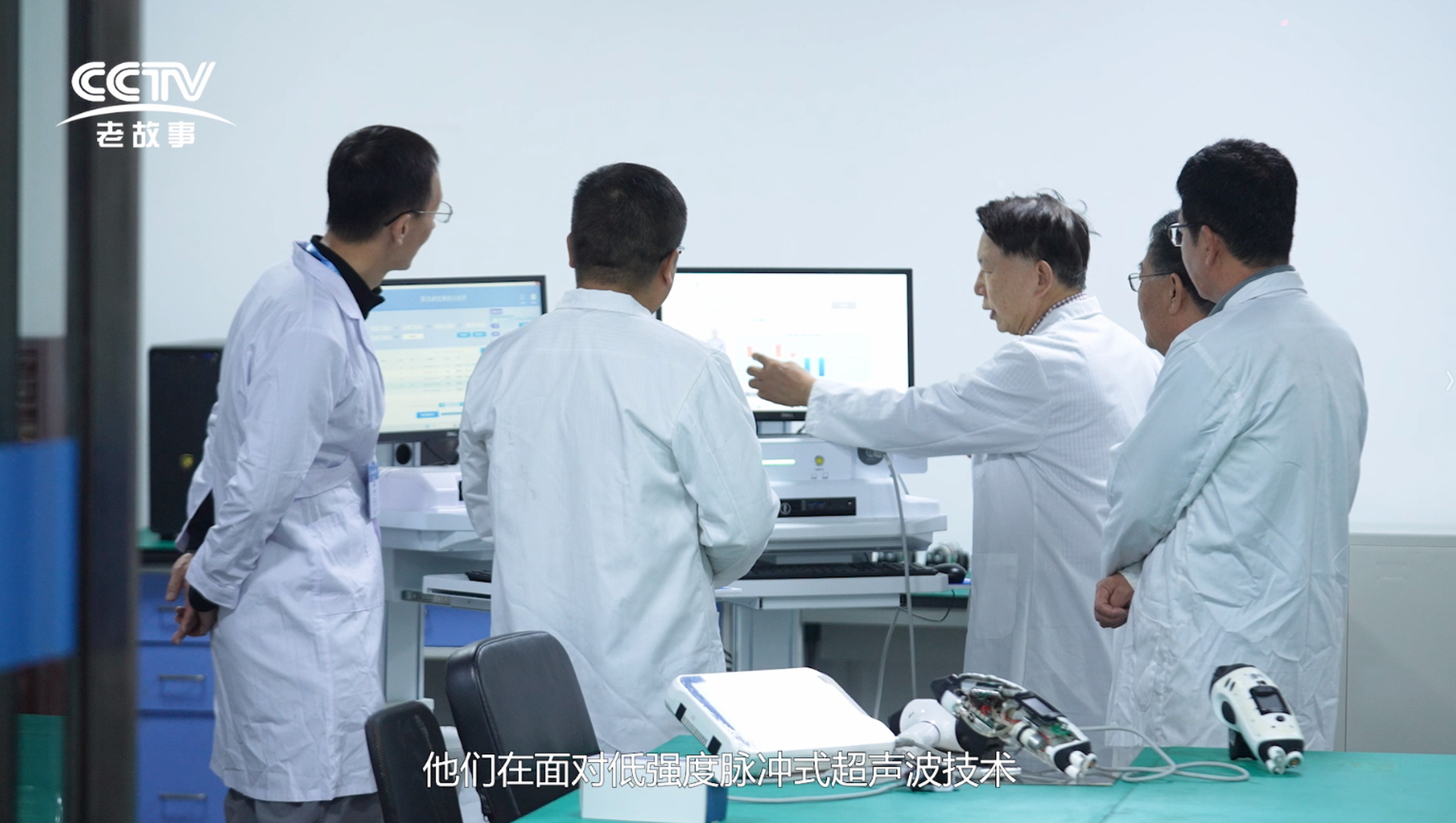
WBL featured in the CCTV “Science and Technology China” documentary
6. Clinical Significance: Offering an Option for Severe ED Patients
For patients with severe ED who respond poorly to oral PDE5 inhibitors, second-line options such as intracavernosal injection, vacuum erection devices and penile prosthesis implantation are available, but some patients find it difficult to persist with them due to invasiveness, operational burden or long-term adherence issues.
Non-invasive, repeatable, and with a documented safety record — when these three conditions hold simultaneously, this population gains one more option to discuss with their physicians.
To be clear: LIPUS is not a replacement for surgery, nor a guarantee of efficacy. It is an auxiliary treatment technology whose clinical evidence is still accumulating; this study presents within-group change data for a specific population under a specific protocol. Whether it is appropriate and whether benefit can be obtained should be decided by professional andrologists after individualized evaluation.
How far a technology can go is ultimately determined by evidence. This device, written into the study protocol of an international urology journal, has moved one step further.
This article introduces published medical research findings and health science content; it represents only what the research team has published and does not constitute diagnosis or treatment advice for any individual. Statements are subject to the original paper and each country's regulatory and registration status. If symptoms persist (e.g., for more than 3 months), please visit the urology or andrology department of a regular hospital.