WBL Medical Group Builds China’s First International Research Platform for Micro-Energy Medicine
Low-Intensity Pulsed Ultrasound (LIPUS) is a landmark non-invasive diagnosis and treatment technology in the field of micro-energy regenerative medicine. The pioneering fundamental mechanism research of this technology was completed by the research team led by Professor Tom F. Lue from the Knuppe Molecular Urology Laboratory at the University of California, San Francisco (UCSF). To bridge cutting-edge basic research and domestic clinical translation, in July 2019, under the overall coordination of Guo Mao, Chairman of WBL Medical Group, Professor Tom F. Lue’s team alongside the UCSF Knuppe Molecular Urology Laboratory entered into an official strategic cooperation with the Institute of Urology, Shanghai Jiao Tong University, launching China’s first regular international research collaboration channel focusing on urological micro-energy medicine.
This cooperation is not a one-off academic exchange, but a long-term, implementable industry-university-research collaborative mechanism. It has also accumulated comprehensive international research resources, clinical trial standards and expert think tank support for the subsequent overall layout of three major domestic micro-energy medicine research centers.
Strategic Cooperation Launch Ceremony Held in Shanghai; Chinese and Overseas Experts Jointly Discuss LIPUS Clinical Translation Pathways
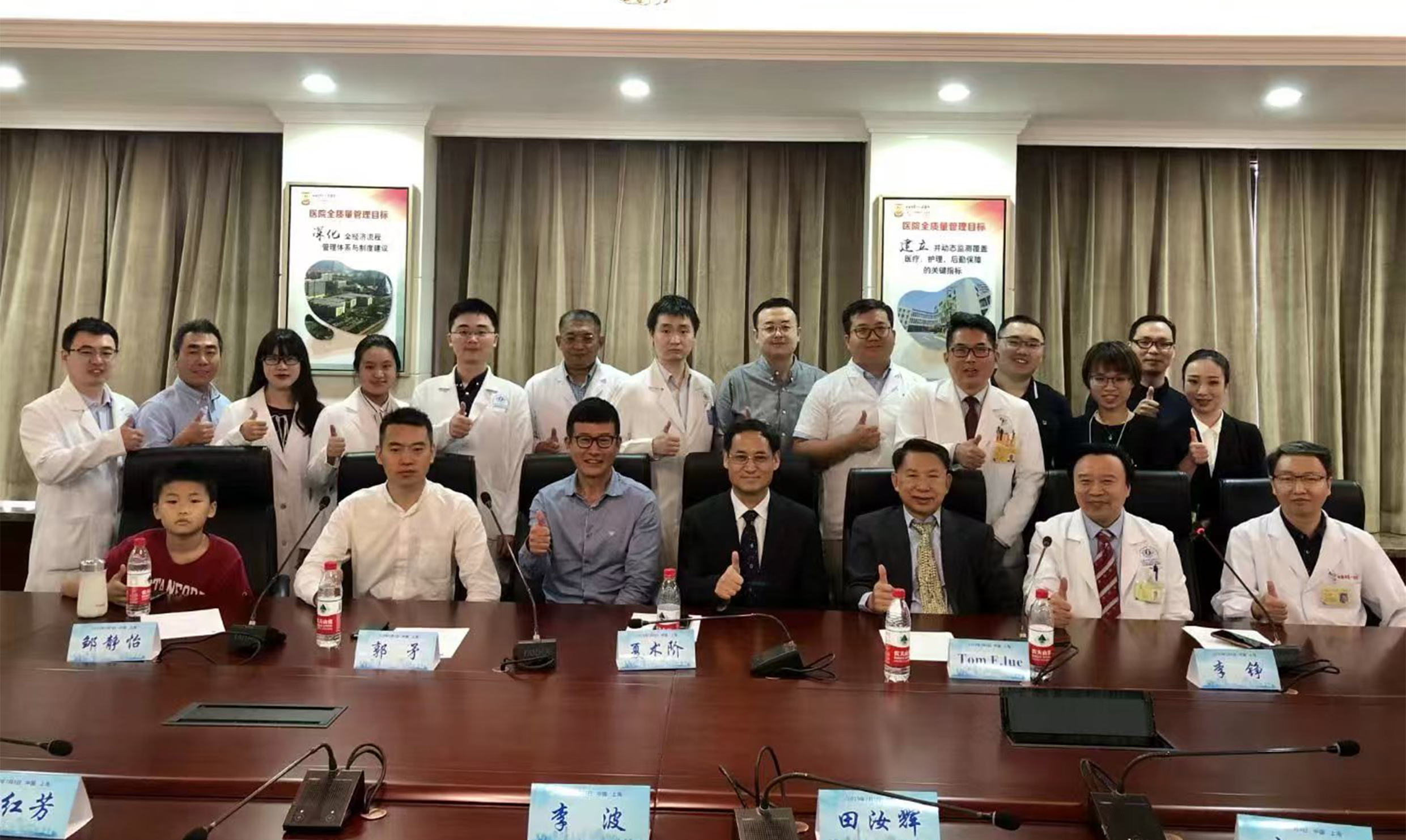
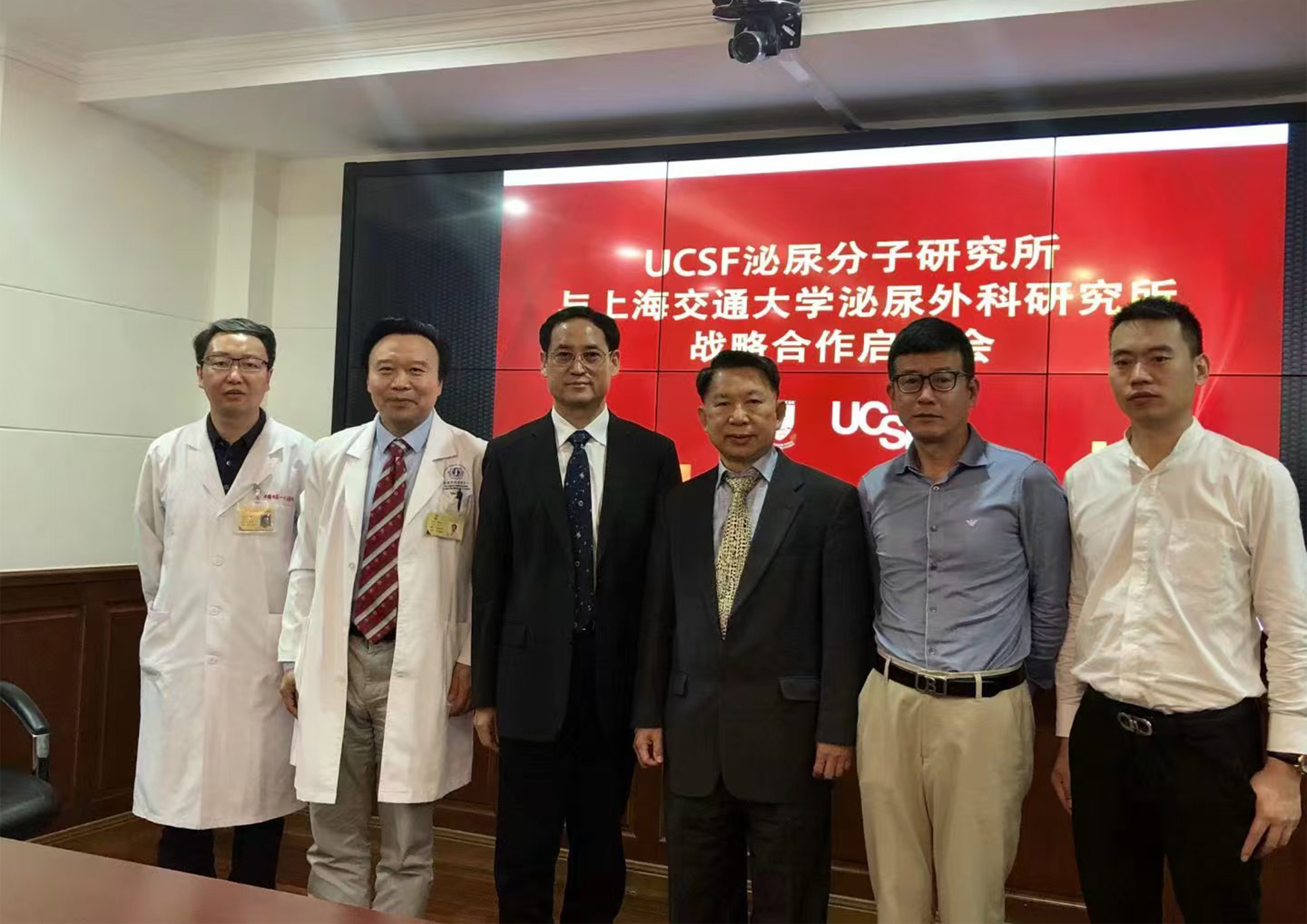
In July 2019, the launch ceremony of the strategic cooperation between the UCSF Knuppe Molecular Urology Laboratory and the Institute of Urology, Shanghai Jiao Tong University was held in the conference room of the Institute of Urology, Shanghai Jiao Tong University. Core representatives from three parties attended the event:
1.UCSF Knuppe Molecular Urology Laboratory: Team led by Professor Tom F. Lue, a global authority in male regenerative medicine and the founder of LIPUS micro-energy repair technology, who has long dedicated himself to basic experimental research on stem cells and vascular-neural regeneration.
2.Institute of Urology, Shanghai Jiao Tong University: Domestic core research and clinical teams including Director Xia ShuJie and Professor Li Zheng, who operate a mature multi-center clinical research platform in China.
3.WBL Medical Group: Chairman Guo Mao was present as the industrial undertaking and implementation carrier of this international cooperation.
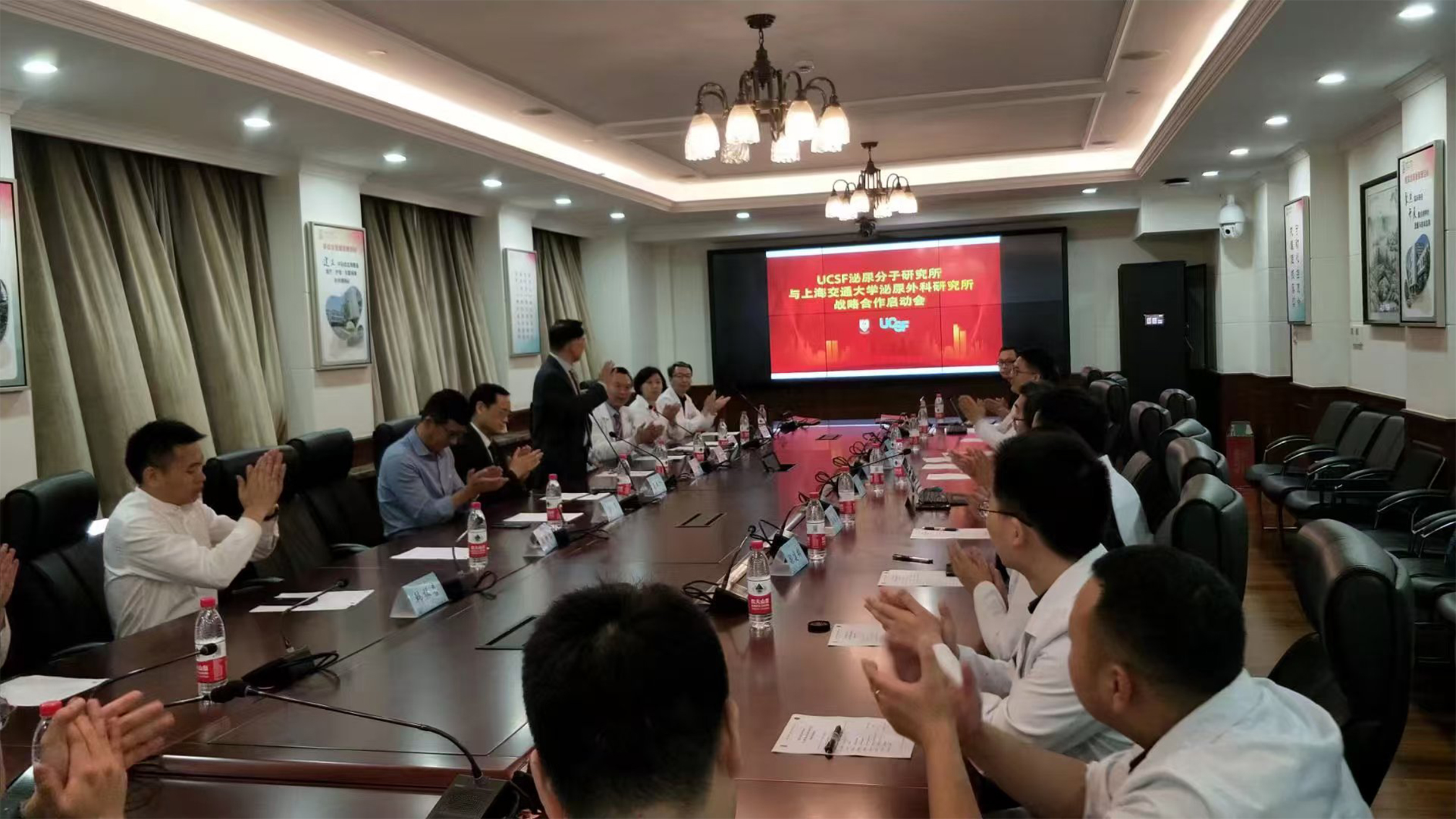
All participants held pragmatic discussions centered on LIPUS technology. Professor Tom F. Lue’s team shared years of cell and animal model experimental data from UCSF laboratories, elaborating on the underlying mechanism by which micro-energy sound waves activate endogenous stem cells and repair cavernosal blood vessels and nerves. The research team from Shanghai Jiao Tong University proposed domestic clinical research design frameworks tailored to the characteristics of Chinese ED patients. Meanwhile, Chairman Guo Mao outlined implementation roadmaps covering equipment parameter optimization, clinical trial rollout and medical device transformation. The entire session focused on practical research challenges, and all attendees applauded in recognition of the collaborative framework agreed upon by both sides.
WBL Establishes an International Research Hub to Build Collaborative Channels for Energy Medicine Research
During the rollout of this strategic cooperation, under the leadership of Chairman Guo Mao, WBL Medical Group served as a central hub. Drawing on its years of experience in micro-energy medical device R&D and clinical academic operation, the Group opened regular communication channels between the two top domestic and overseas research institutions, establishing four down-to-earth collaboration pillars that go beyond superficial academic exchanges:
01.Mutual Sharing of Basic Experimental Resources
The standardized animal models, cell experimental protocols and gradient energy parameter control data accumulated by Professor Tom F. Lue’s team at UCSF Laboratories are subjected to supplementary basic verification by the Shanghai Jiao Tong University Institute of Urology, adapted to the pathological characteristics of Chinese populations. Both sides exchange experimental samples and testing methodologies to eliminate redundant research investment.
02.Reciprocal Research Staff Exchange
A regular exchange mechanism is established: Professor Tom F. Lue, Professor Lin Guiting and their teams visit China periodically to conduct hands-on experimental guidance, deliver frontier academic lectures, and update the latest global advances in micro-energy medicine research.
03.Joint Domestic Multi-Center Clinical Research
Led by Professors Xia ShuJie and Li Zheng, combined with international clinical research experience provided by Professor Tom F. Lue’s team, the parties jointly design multi-center randomized controlled trials of LIPUS compliant with China’s clinical diagnosis and treatment standards. The trials objectively verify the safety and efficacy of different treatment frequencies and energy parameters for Chinese patients with mild-to-moderate ED, providing authentic clinical data to support the formulation of subsequent clinical diagnosis and treatment guidelines.
04.Closed-Loop Industrial Transformation of Research Achievements
As the industrial transformation carrier, WBL Medical translates research outputs from the joint laboratories, iteratively optimizing hardware parameters and clinical operating workflows of WBL’s LIPUS therapeutic equipment. It converts cutting-edge laboratory theories into standardized non-invasive therapeutic devices deployable in tertiary hospitals, forming a complete industrial chain: Basic Research → Clinical Verification → Medical Device Industrialization.
Prior to this cooperation, most domestic studies related to micro-energy were independently conducted by local laboratories, lacking stable long-term collaboration channels to connect with world-class molecular urology laboratories overseas. Mature overseas basic experimental data and standardized trial protocols could hardly be introduced into China. This strategic cooperation launched an early regular international research platform for the industry, filling the gap in long-term domestic and overseas industry-university-research collaboration within this segmented field.
Continuous Deepening of International Collaboration to Localize Micro-Energy Technology for Clinical Practice
Looking back on the 2019 strategic cooperation, it marked a pivotal starting point for WBL Medical Group’s layout of international research and translation of micro-energy medicine. Over the years, under the overall promotion of Chairman Guo Mao relying on this long-term collaborative mechanism, the Group has maintained continuous links with Professor Tom F. Lue’s UCSF team and top domestic urological research institutions including Shanghai Jiao Tong University, steadily advancing technological iteration and clinical popularization of WBL LIPUS.
The full international collaborative research system has remained in operation, covering fundamental molecular mechanism exploration, accumulation of multi-center clinical data, standardized launch of domestic medical devices, and nationwide academic training for andrologists. To date, WBL LIPUS Low-Intensity Pulsed Ultrasound has been listed as a first-line non-invasive treatment option for ED in multiple national expert consensus statements on andrology, with clinical applications launched in dozens of tertiary hospitals across China. These achievements are rooted in the pragmatic, long-term international research cooperation established back in 2019.
WBL LIPS
Going forward, WBL Medical Group will further deepen global research collaboration in urological regenerative medicine. Supported by three regional micro-energy medicine research centers, the Group will continuously translate cutting-edge micro-energy diagnosis and treatment technologies, delivering non-invasive, safe and standardized innovative therapeutic solutions for Chinese patients with male urological disorders, and advancing high-quality development of domestic urology and andrology.
WBL LIPUS Low-Intensity Pulsed Ultrasound ED Treatment Platform
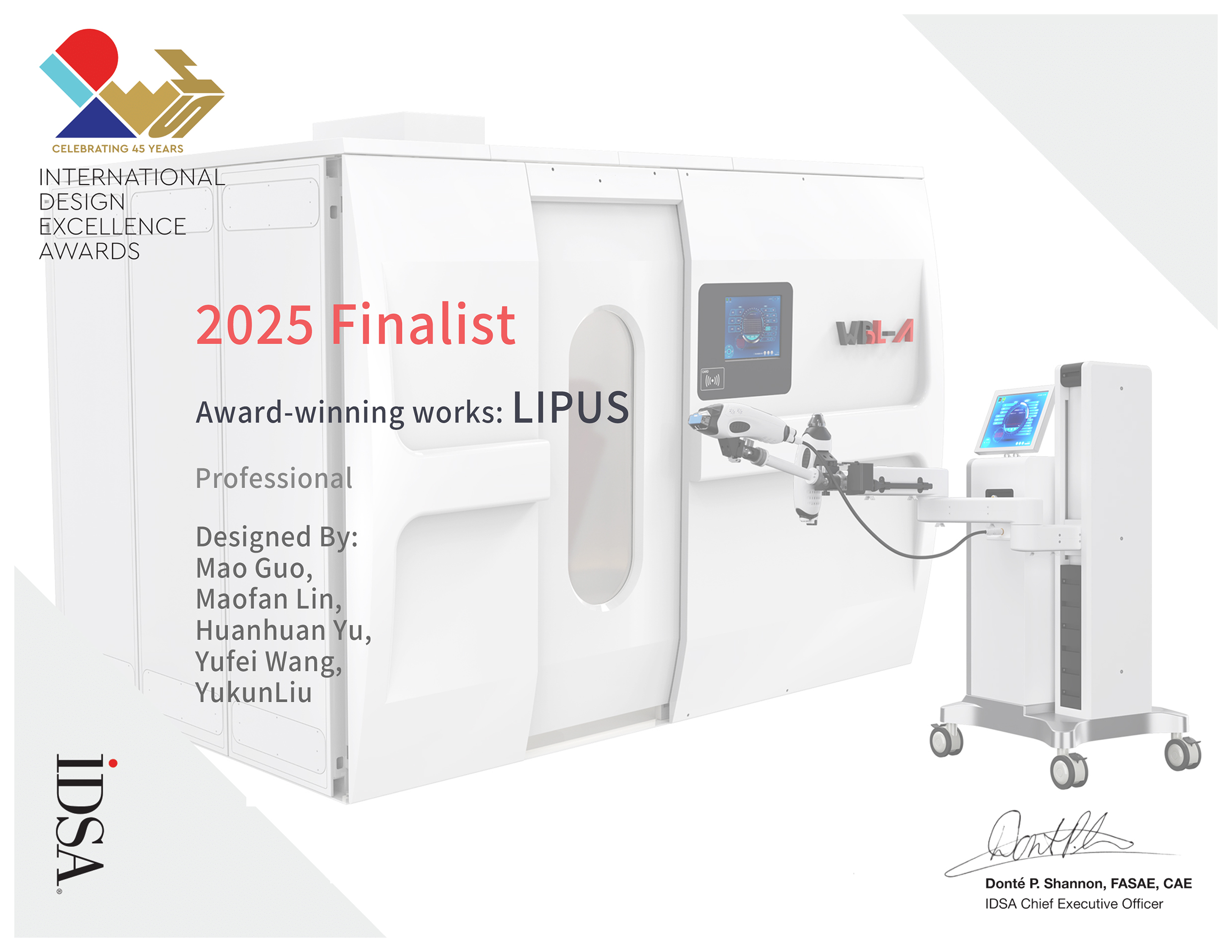
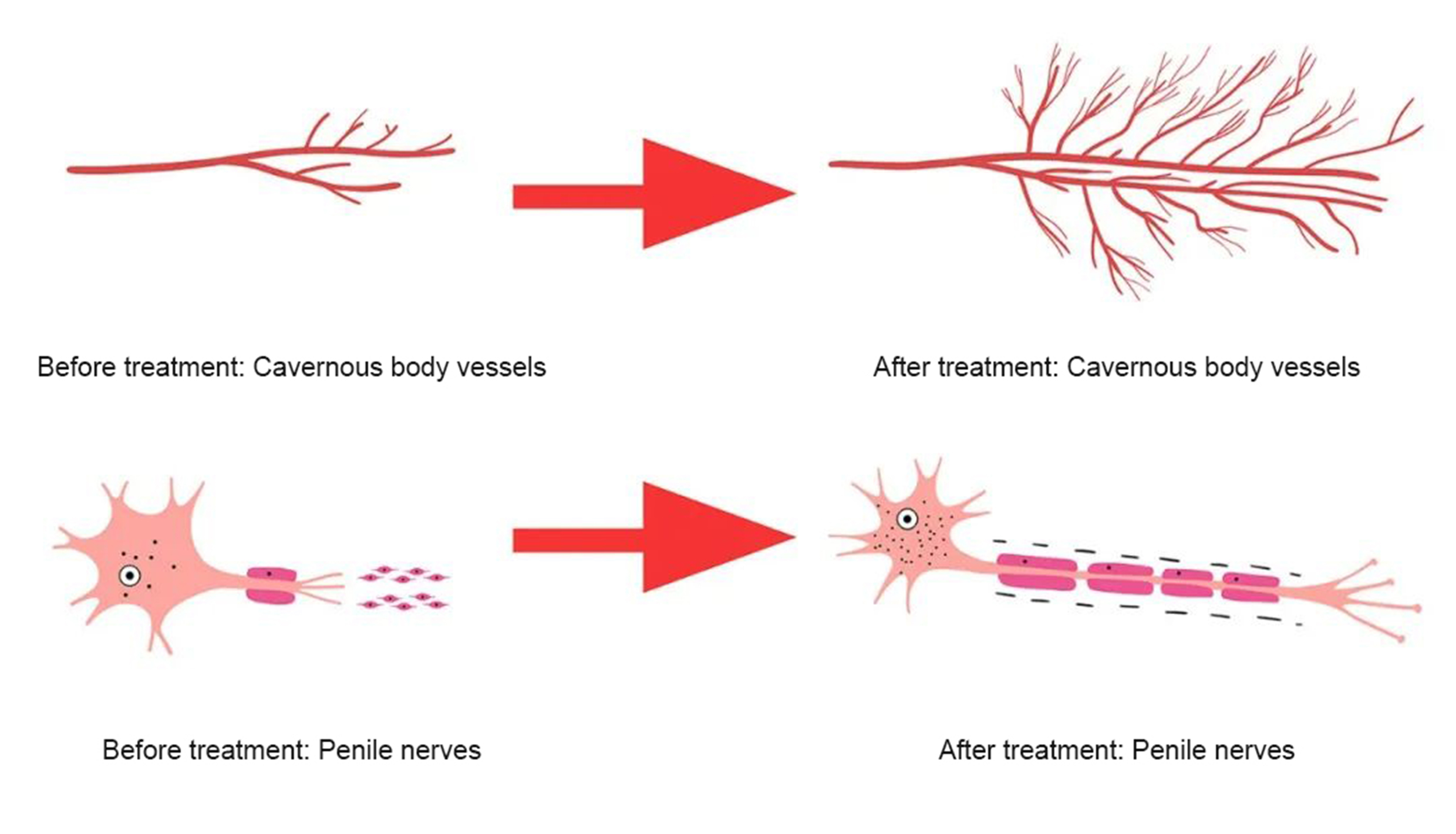
The core technologies of WBL’s LIPUS Low-Intensity Pulsed Ultrasound Therapeutic Apparatus have passed multiple clinical validations. The product design has won the International IDEA Awards, and the equipment was featured on Science & Innovation China on CCTV-12. Adopting low-intensity pulsed ultrasound ranging from 50 to 350 mW/cm², the device gently targets the penile cavernous body, activating the body’s endogenous stem cells, improving local microcirculation, facilitating regeneration and repair of blood vessels and nerves, restoring damaged vascular endothelium and nerve matrix, and supporting cavernous tissue functional repair at the cellular level to relieve discomfort associated with erectile dysfunction.
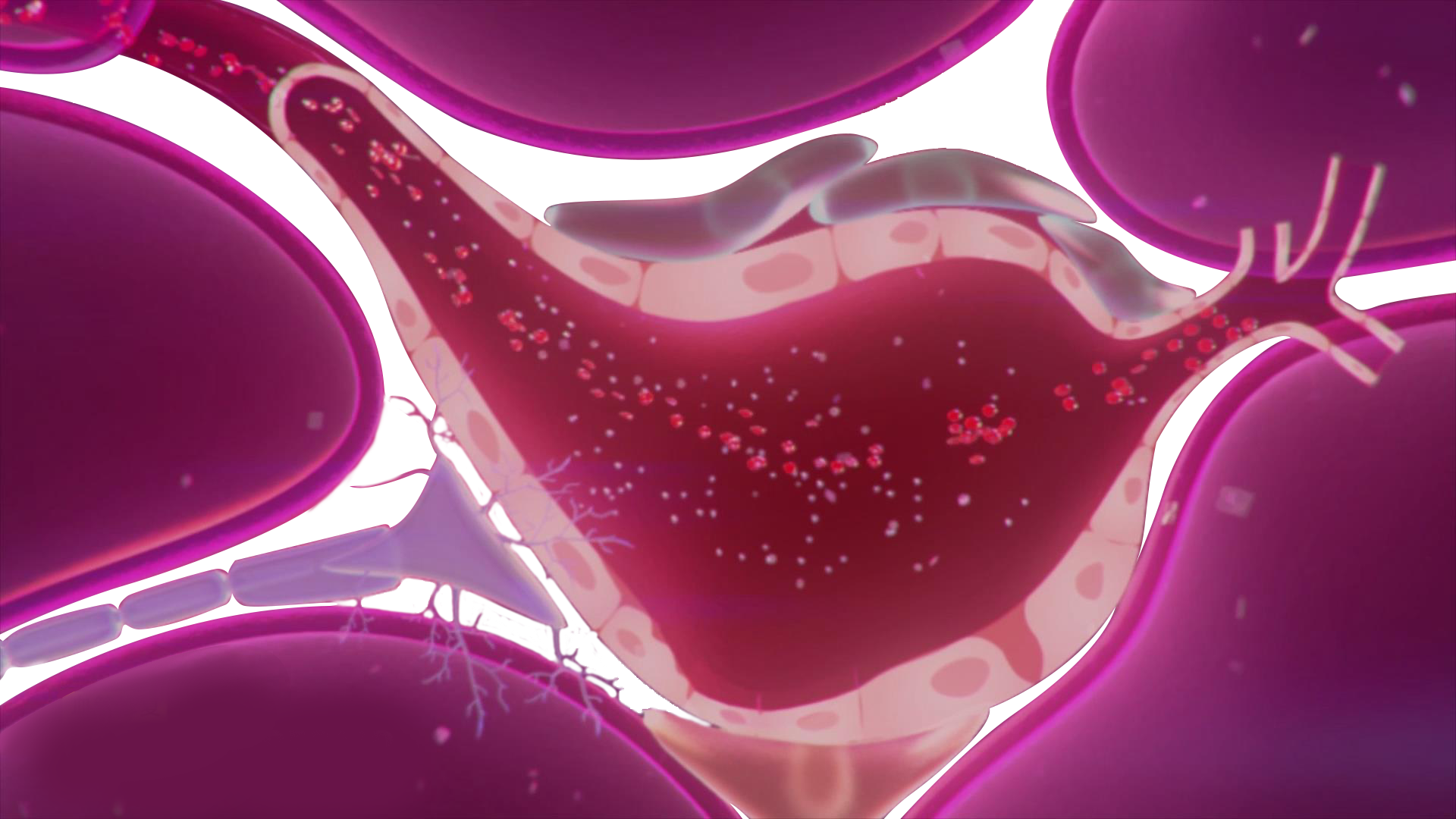
As a non-invasive physical rehabilitation device, it differs from common clinical interventions including oral medication, local injection and surgical implantation. Adopting an extracorporeal physical rehabilitation model, it requires no medication administration or invasive procedures, avoiding adverse physical reactions induced by oral drugs and risks associated with invasive operations. It offers a mild physical rehabilitation alternative for eligible patients.
Three Core Advantages
1.Non-invasive, Safe and Painless No surgery or injection is required; treatment is delivered via an extracorporeal device, eliminating risks and pain associated with conventional surgical procedures.
2.Facilitates Tissue Repair and Regeneration Ultrasound stimulates angiogenesis, improves local blood circulation, and accelerates the recovery of neural function.
3.Robust and Long-Lasting Therapeutic Effects Clinical studies demonstrate that patients achieve significant improvements in erectile function scores after multiple treatment sessions, with sustained and stable therapeutic outcomes.