
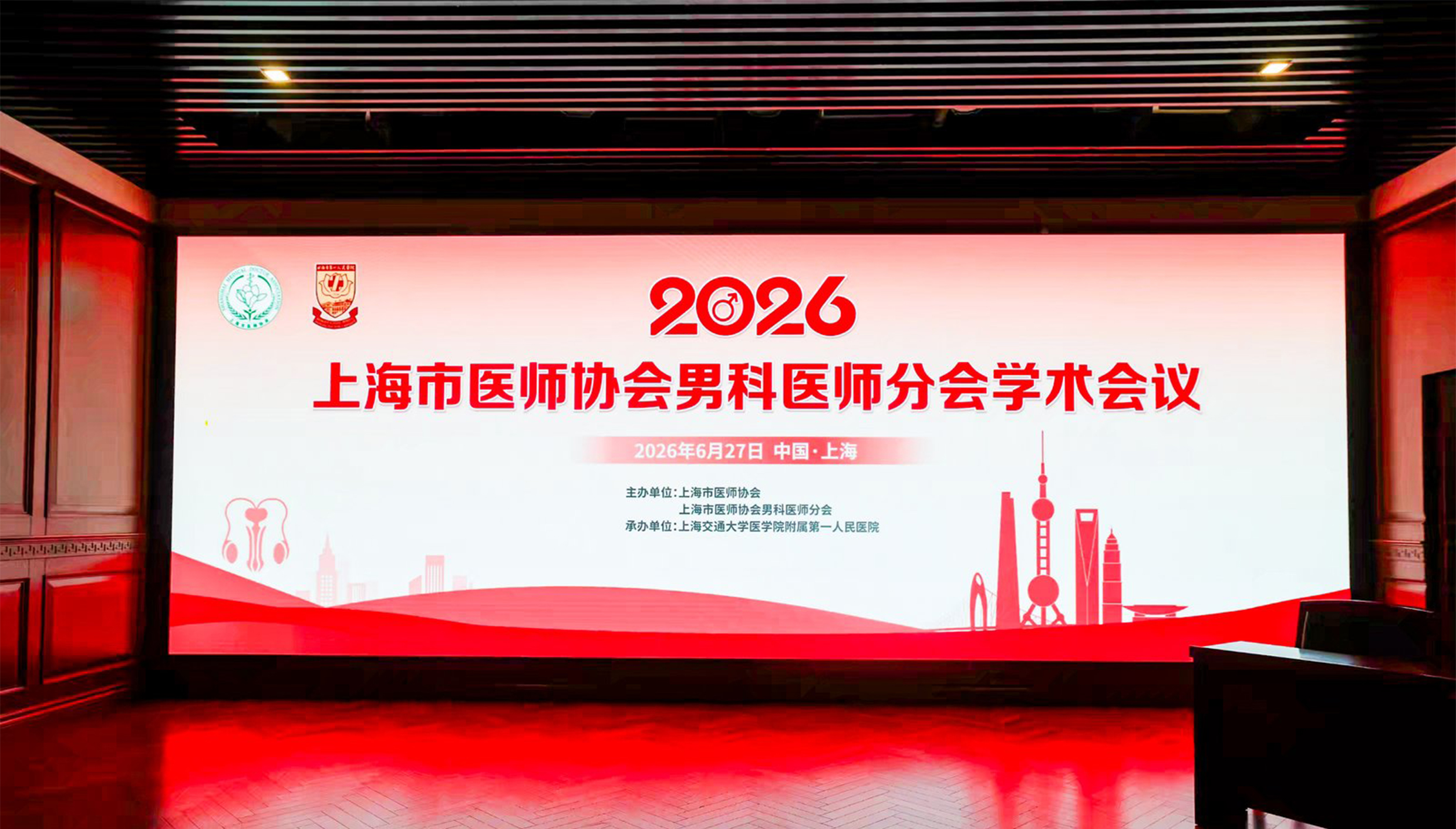
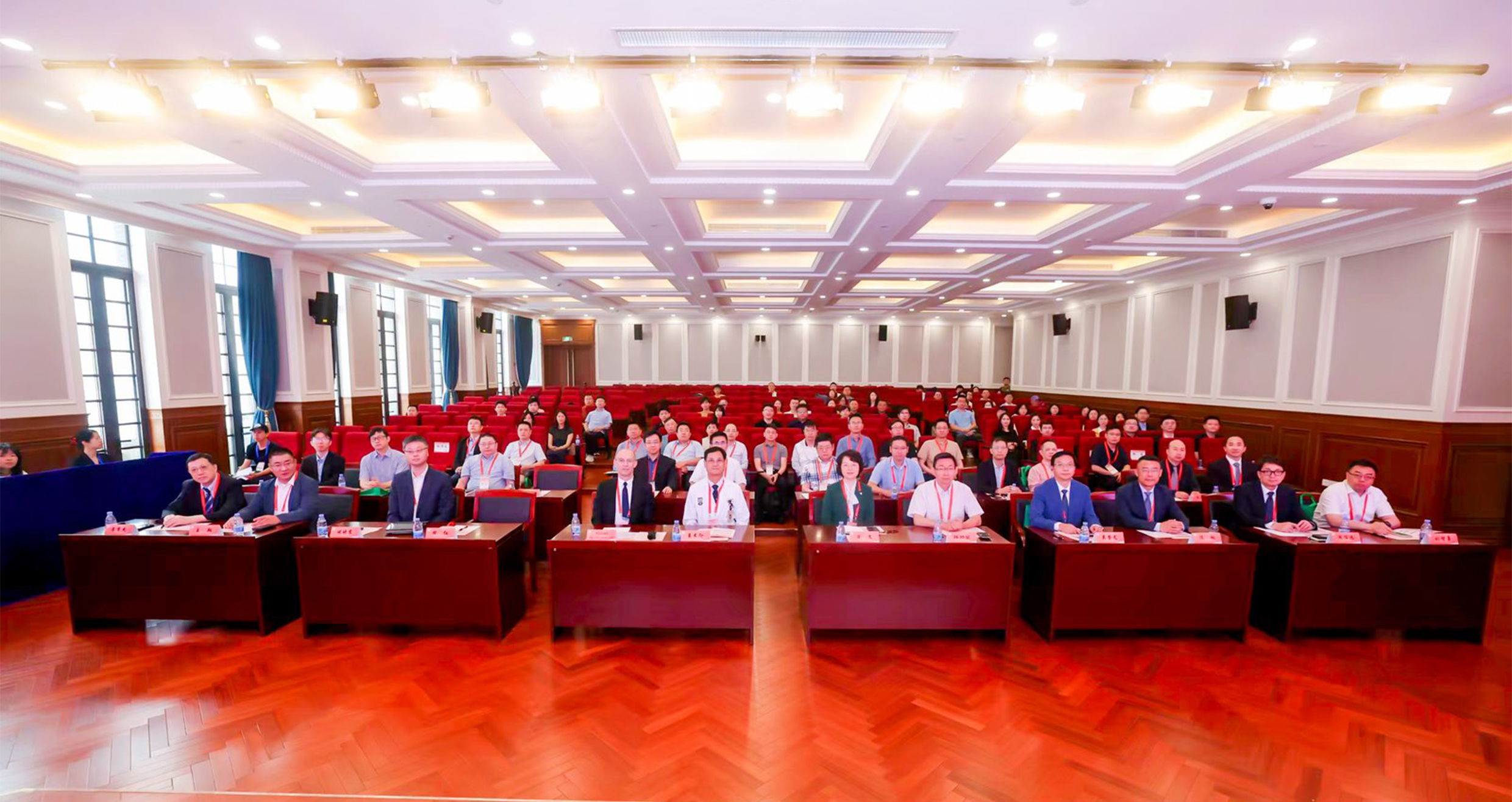
The 2026 Academic Meeting of the Shanghai Medical Association Andrology Subcommittee was successfully held on June 27 at Shanghai First People's Hospital. The event was hosted by the Shanghai Medical Association and its Andrology Subcommittee, and organized by Shanghai Jiao Tong University School of Medicine Affiliated First People's Hospital. It gathered urology-and-andrology specialists from the Shanghai area to establish a platform for continuing education and academic exchange in the specialty.
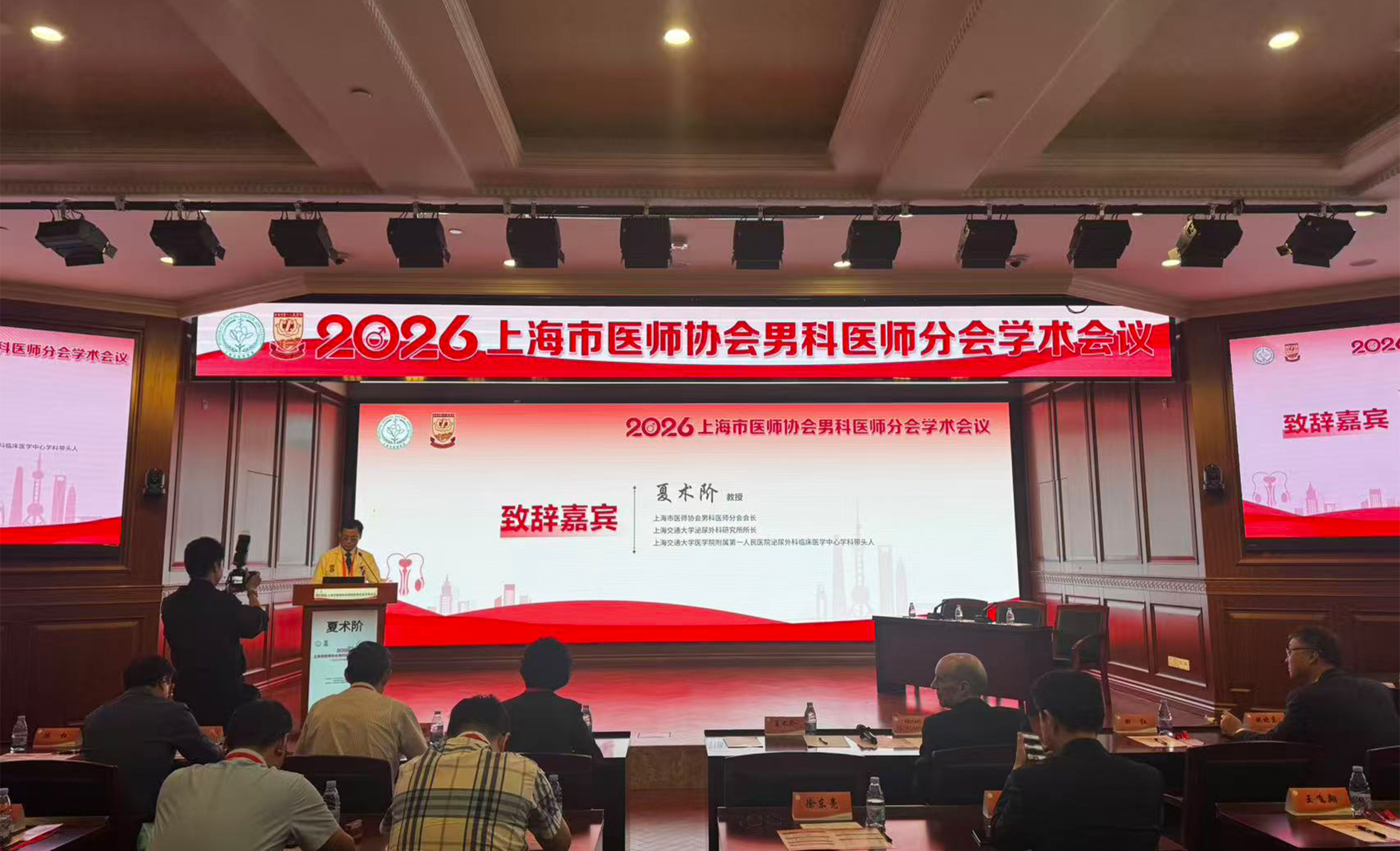
At the opening, Prof. Xia Shujie, Chairman of the Shanghai Medical Association Andrology Subcommittee, delivered the keynote speech. Based on the foundation of Shanghai’s andrology discipline development, he reviewed the current industry status, proposed improvements in the standardized training of andrology physicians, and emphasized advancing clinical translation of non-invasive innovative technologies in andrology. He also fully recognized the significant value of microenergy medicine and other new technologies in the diagnosis and treatment of andrological diseases.
Key Academic Report
Prof. Zhao Fujun Systematically Shares In-depth Clinical Exploration of LIPUS in Erectile Dysfunction
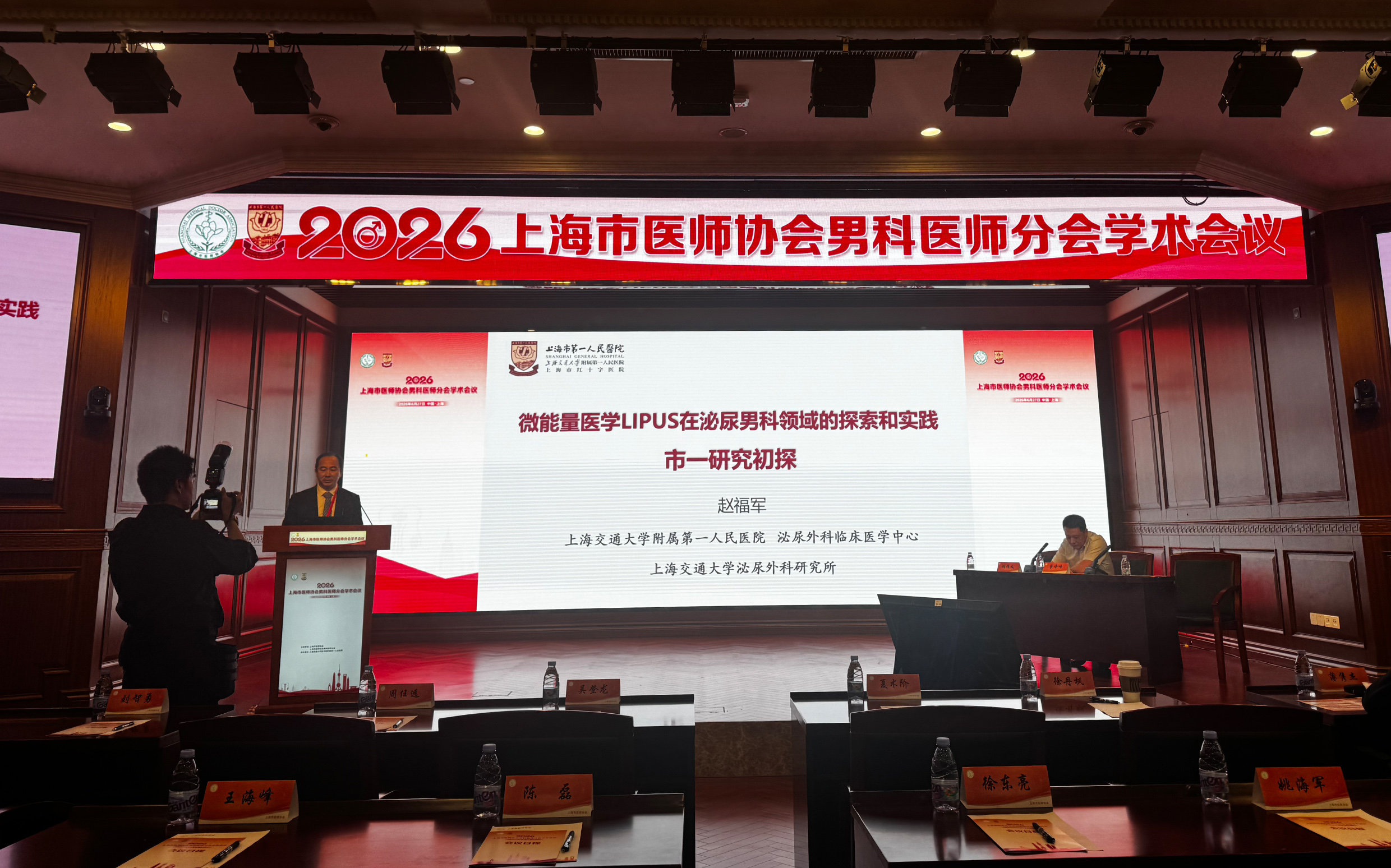
The advance technology session was presented by Prof. Zhao Fujun from Shanghai Jiao Tong University Affiliated First People's Hospital, who reported on the theme “Exploration and Practice of Microenergy Medicine LIPUS in Urological Andrology — Preliminary Studies at our Hospital.” Prof. Zhao has long been engaged in clinical and research work on male sexual dysfunction, focusing on basic research and clinical translation of LIPUS microenergy medicine.
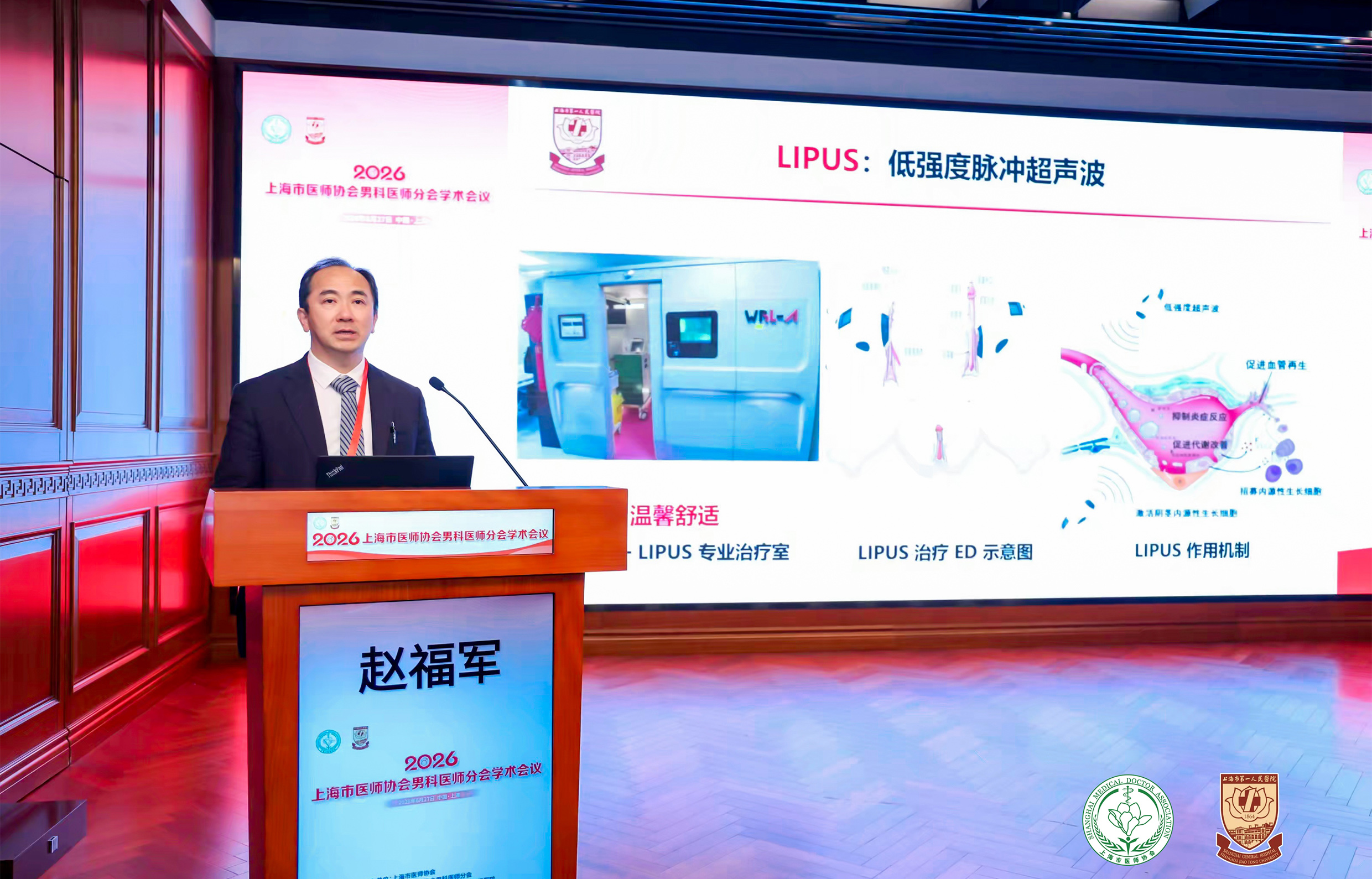
The presentation emphasized that Shanghai First People's Hospital has established a comprehensive collaborative system integrating LIPUS basic and clinical research. Starting with erectile dysfunction (ED) as the core research focus, the team continues to work deeply on the non-invasive microenergy diagnostic and therapeutic technology, steadily reinforcing the academic foundation for LIPUS clinical applications in andrology, pioneering a novel research direction for non-invasive ED treatment in China.
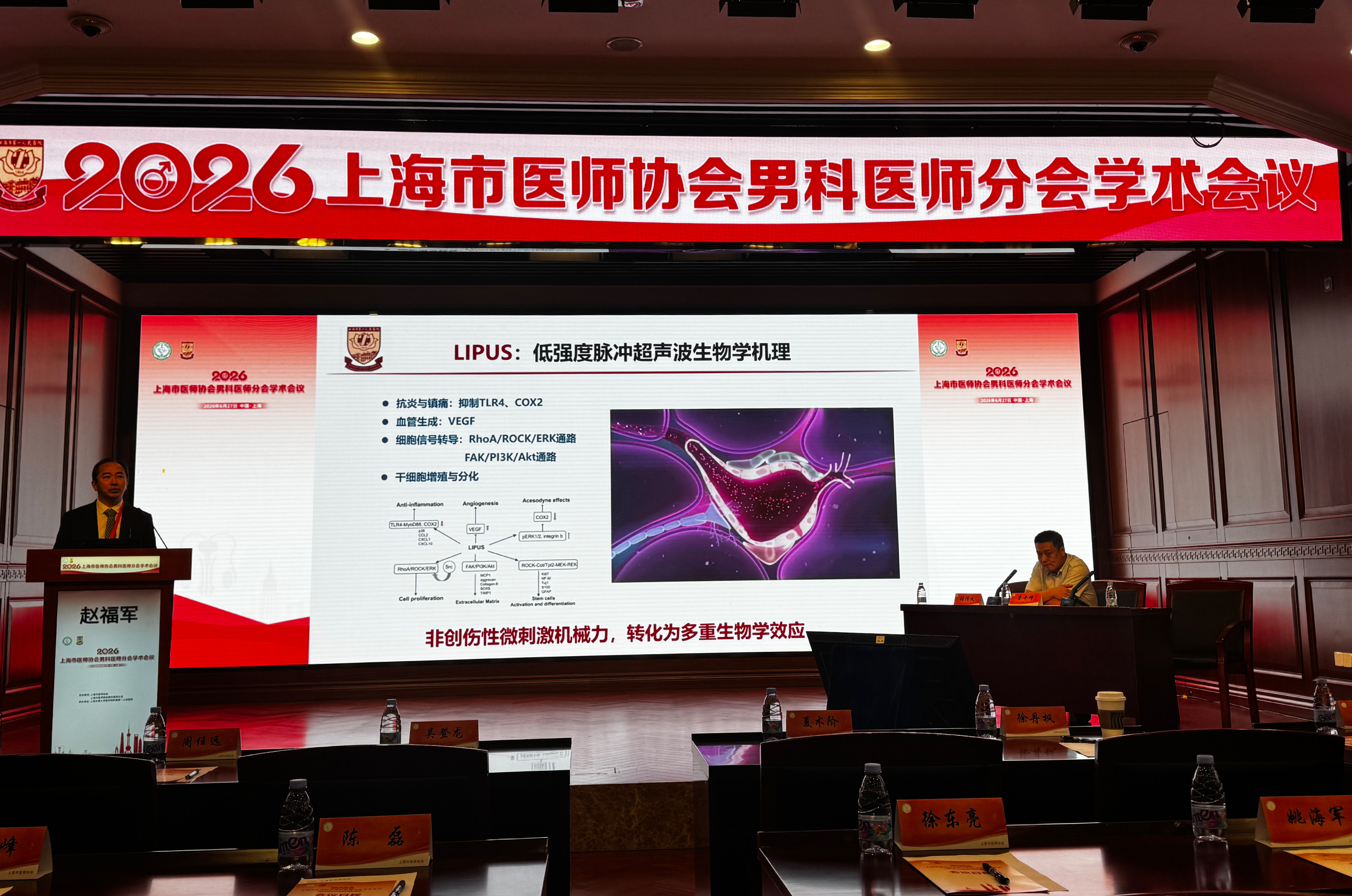
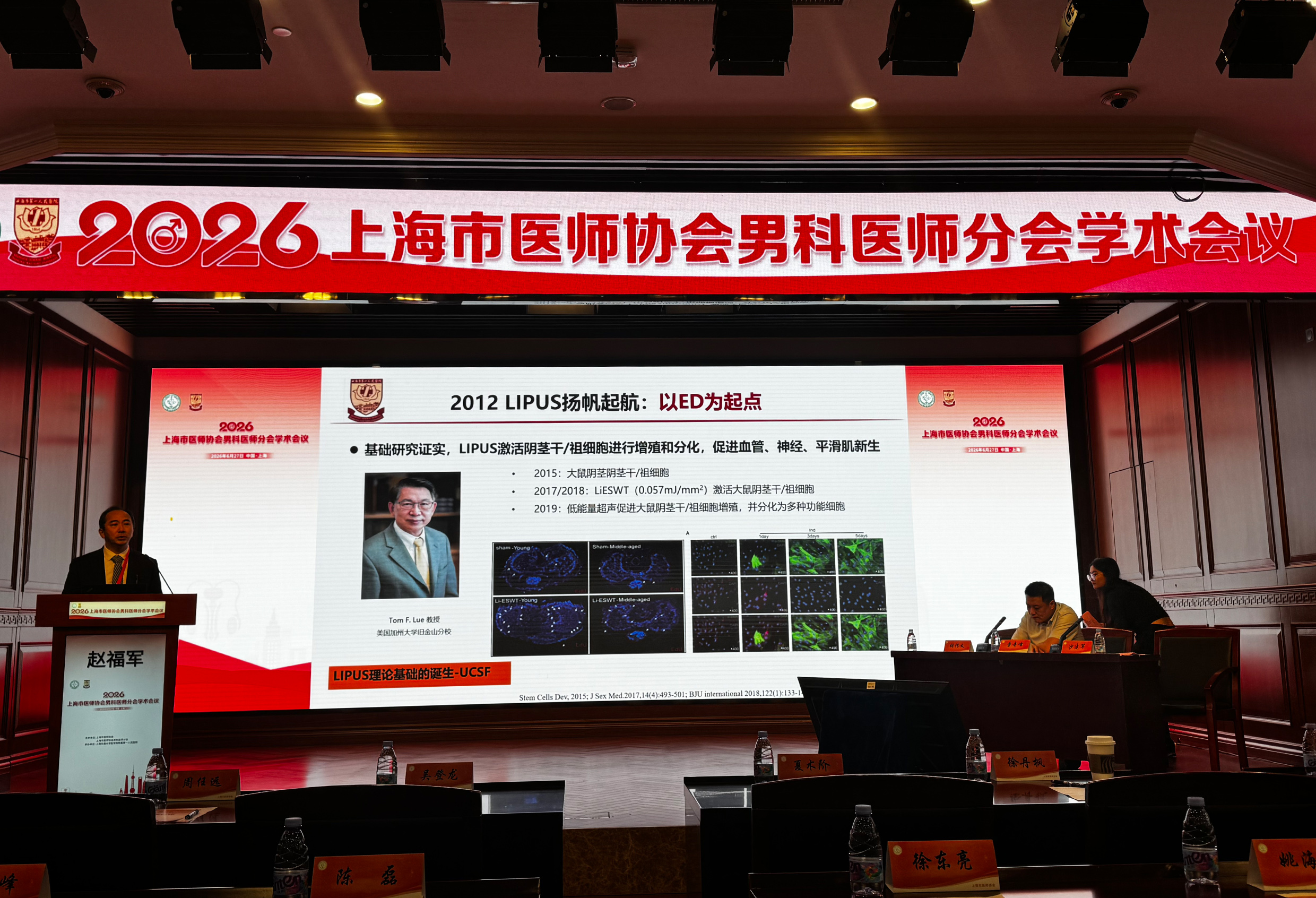
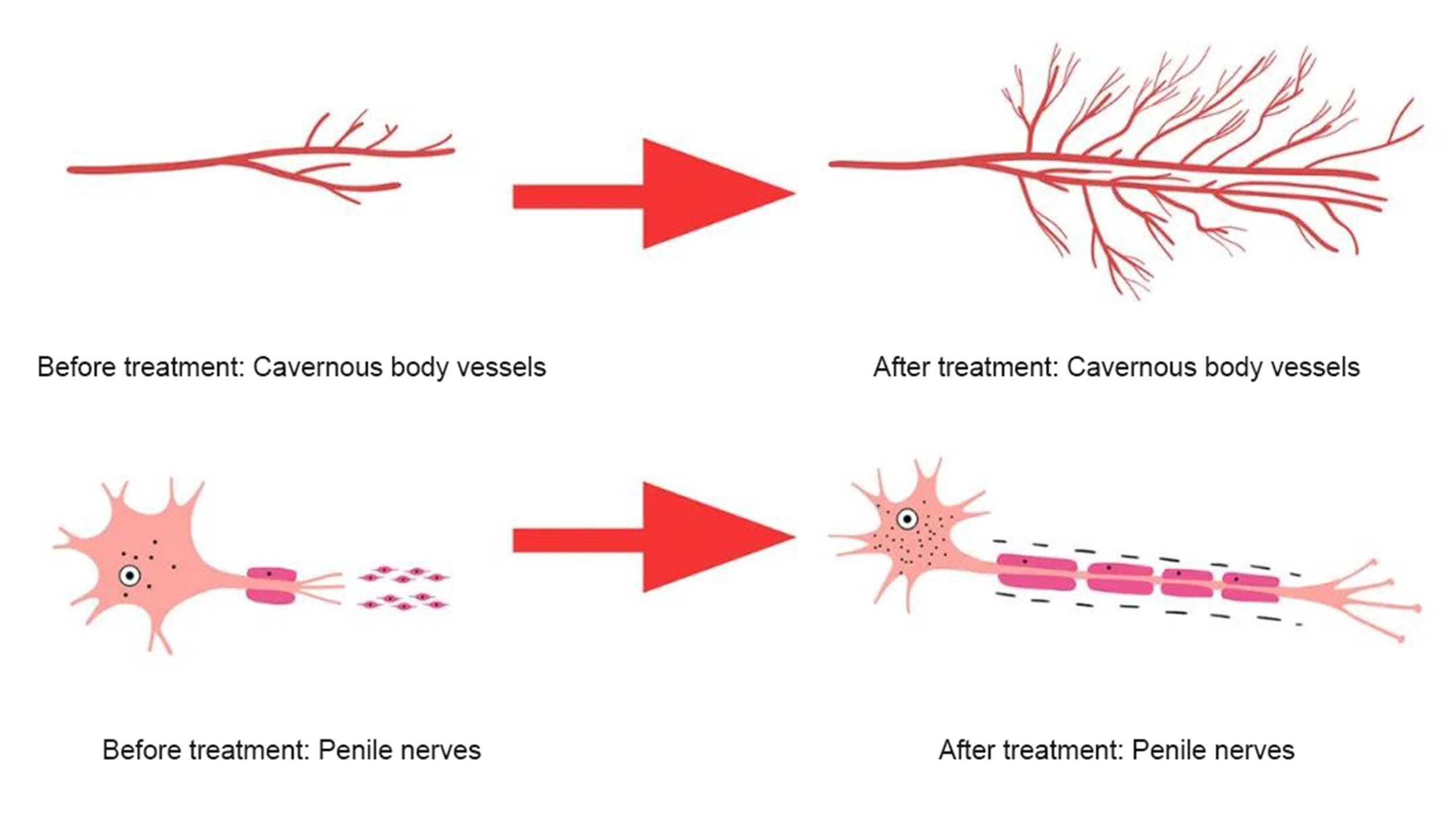
Prof. Zhao detailed the core mechanism of LIPUS: non-invasive mechanical microstimulation produces multiple biological effects that effectively reduce inflammation and pain, promote angiogenesis, regulate cellular signaling pathways, and induce proliferation and differentiation of stem cells. The theoretical basis was initially established in 2012 by Tom F. Lue’s team. Foundational experiments confirmed that LIPUS can repair penile blood vessels, nerves, and smooth muscle tissue, providing a solid theoretical foundation for non-invasive ED treatment.
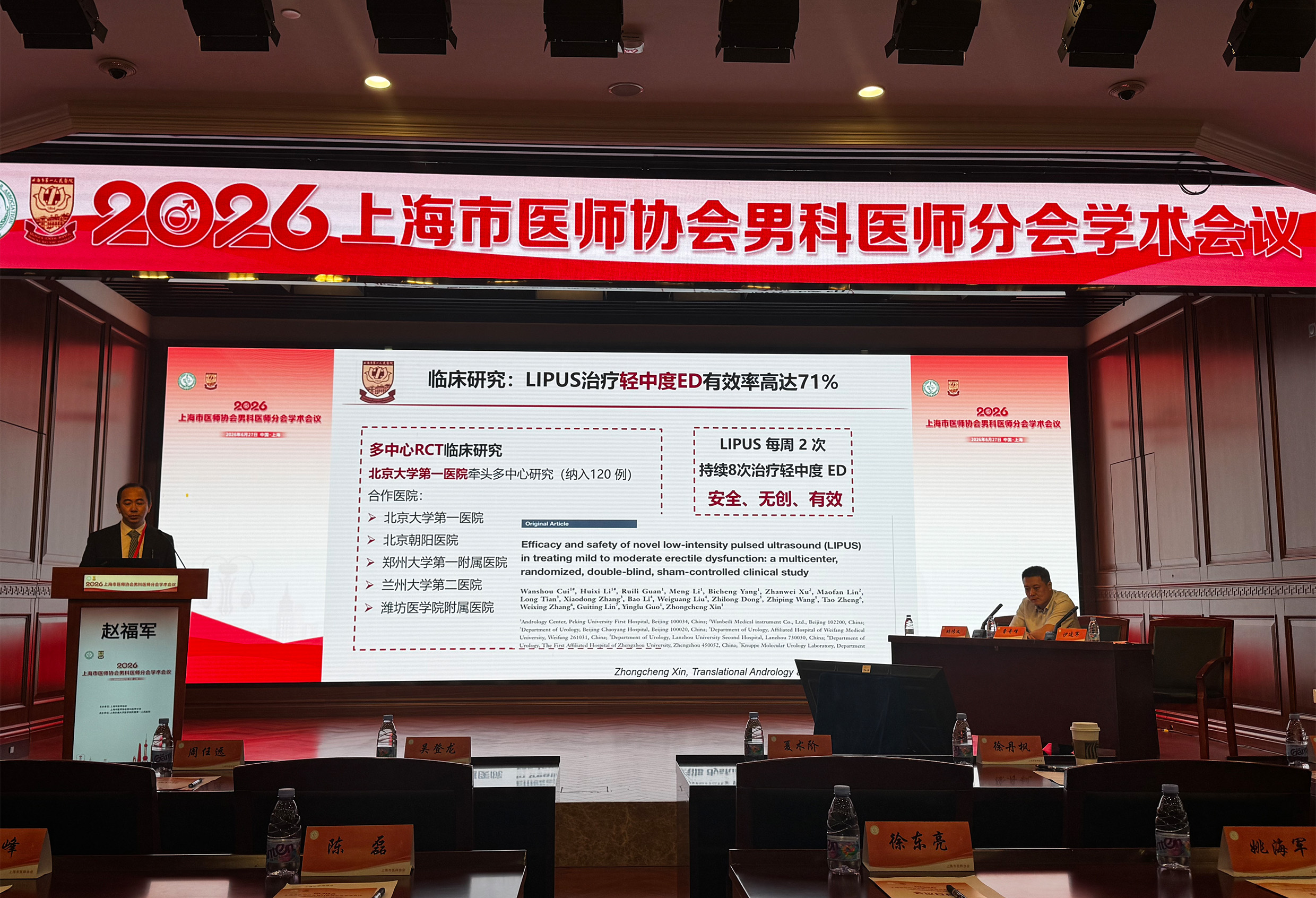
Regarding clinical research outcomes, Prof. Zhao systematically displayed data from multiple authoritative multicenter randomized controlled trials. A clinical study led by Peking University First Hospital confirmed that LIPUS non-invasive intervention is suitable for mild to moderate erectile dysfunction, with good safety and clinical research value.
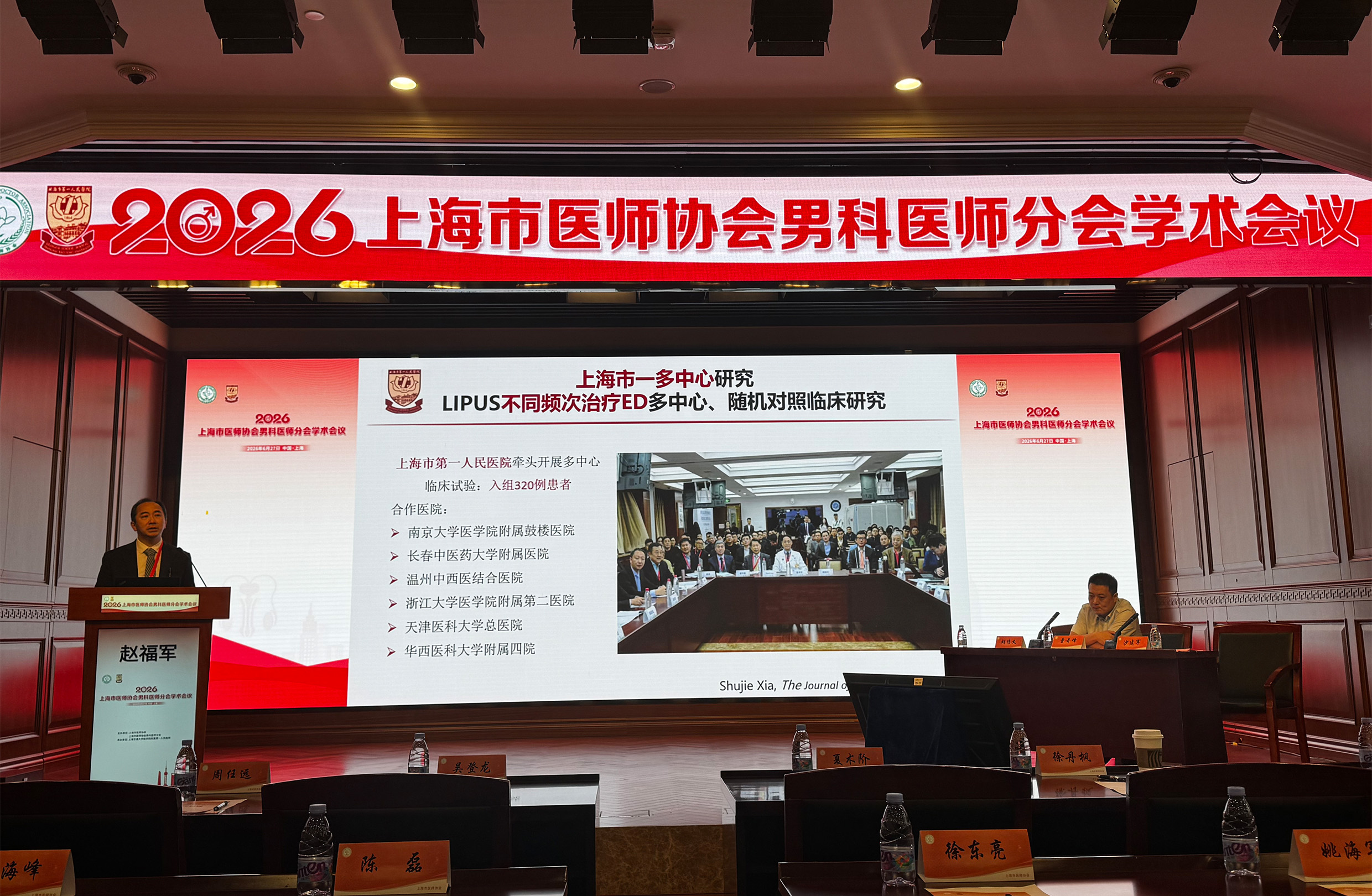
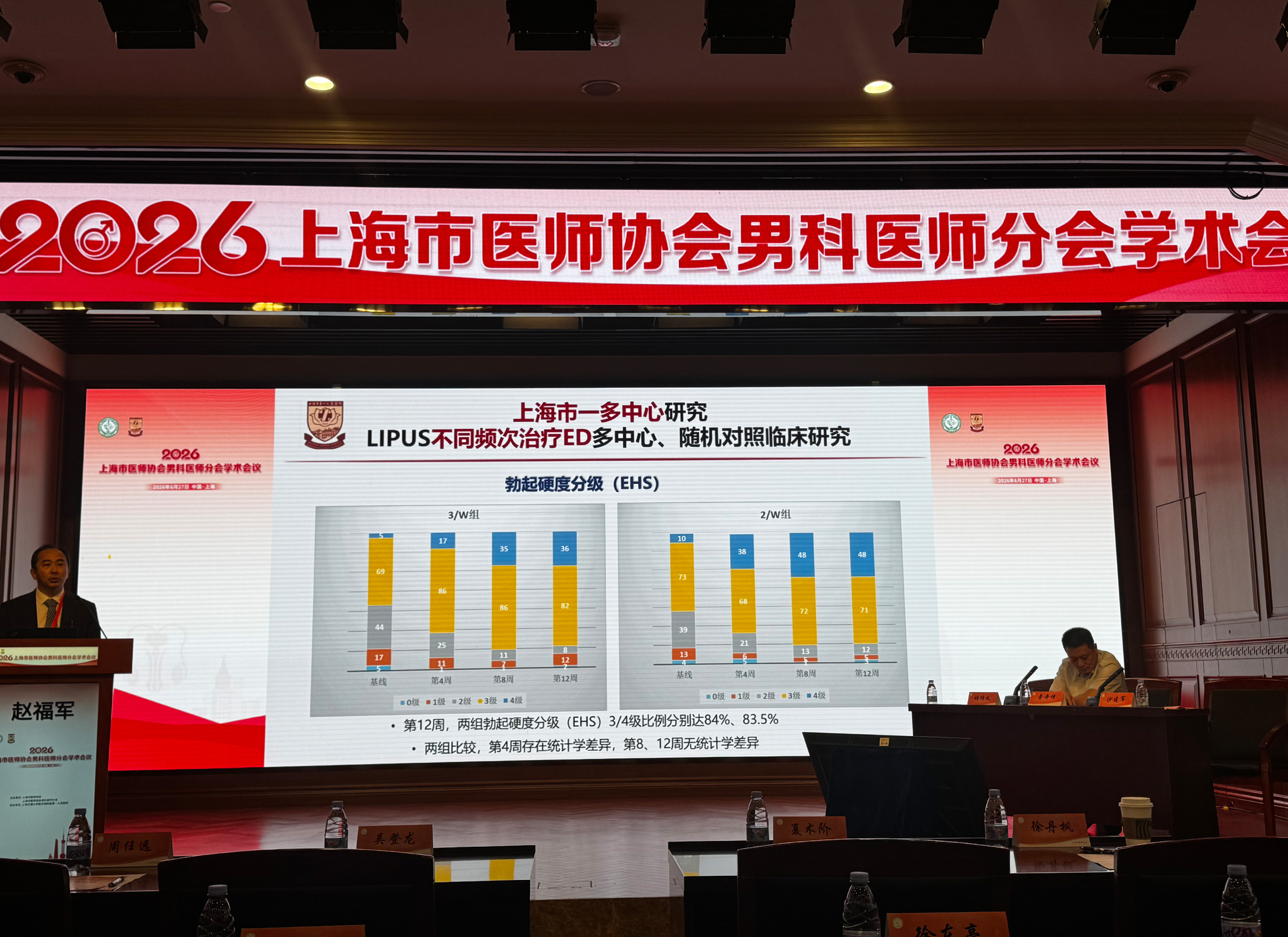
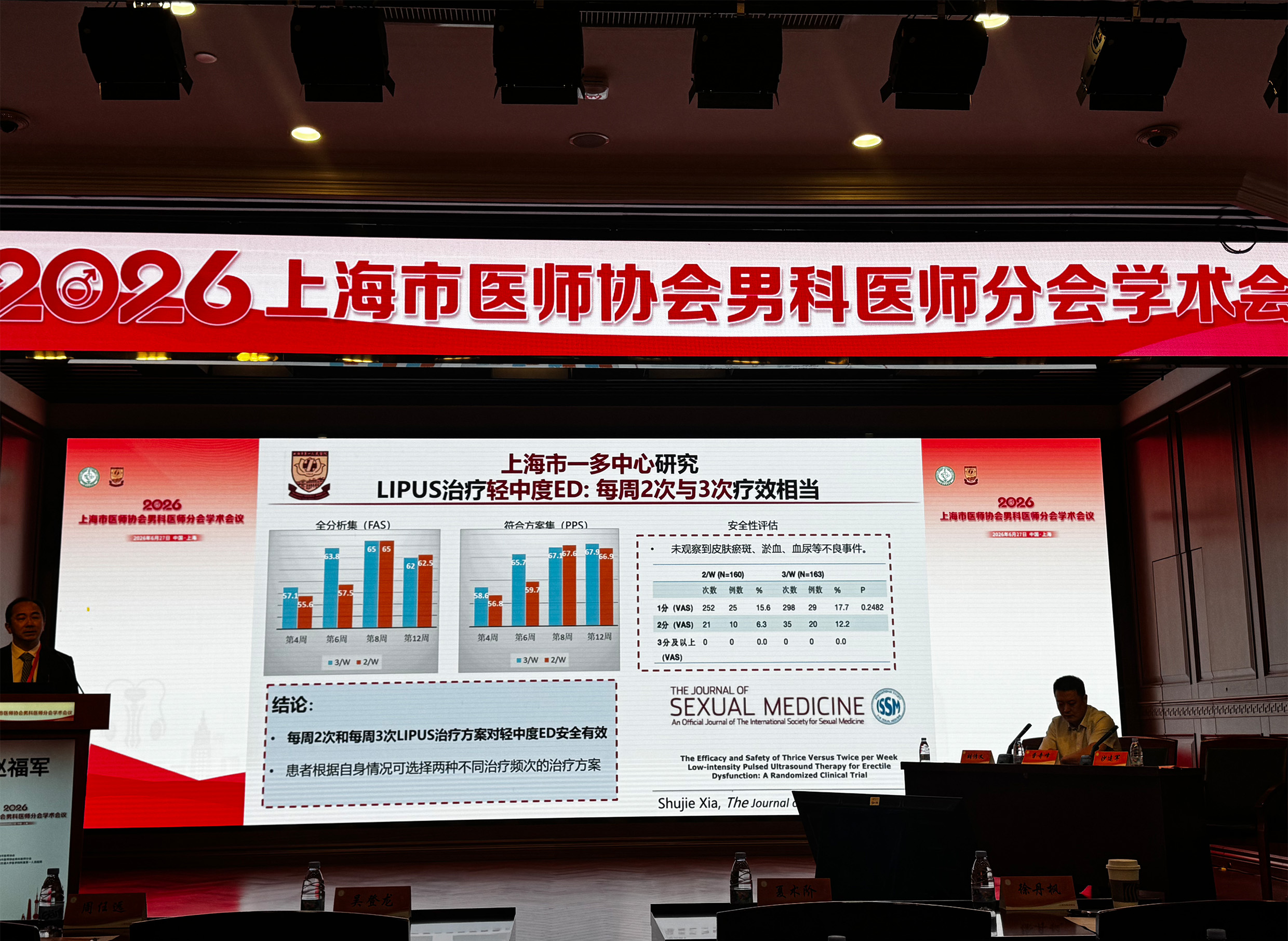
At Shanghai First People’s Hospital, a large-scale multicenter clinical study involving 320 patients compared two LIPUS treatment frequencies: twice weekly and thrice weekly. After 12 weeks of follow-up, both regimens achieved similar improvements in erectile function. Patients showed significant increases in erection hardness scores, and no notable adverse events occurred, demonstrating clinical safety and stability. This provides flexible, individualized non-invasive treatment options for different patients.
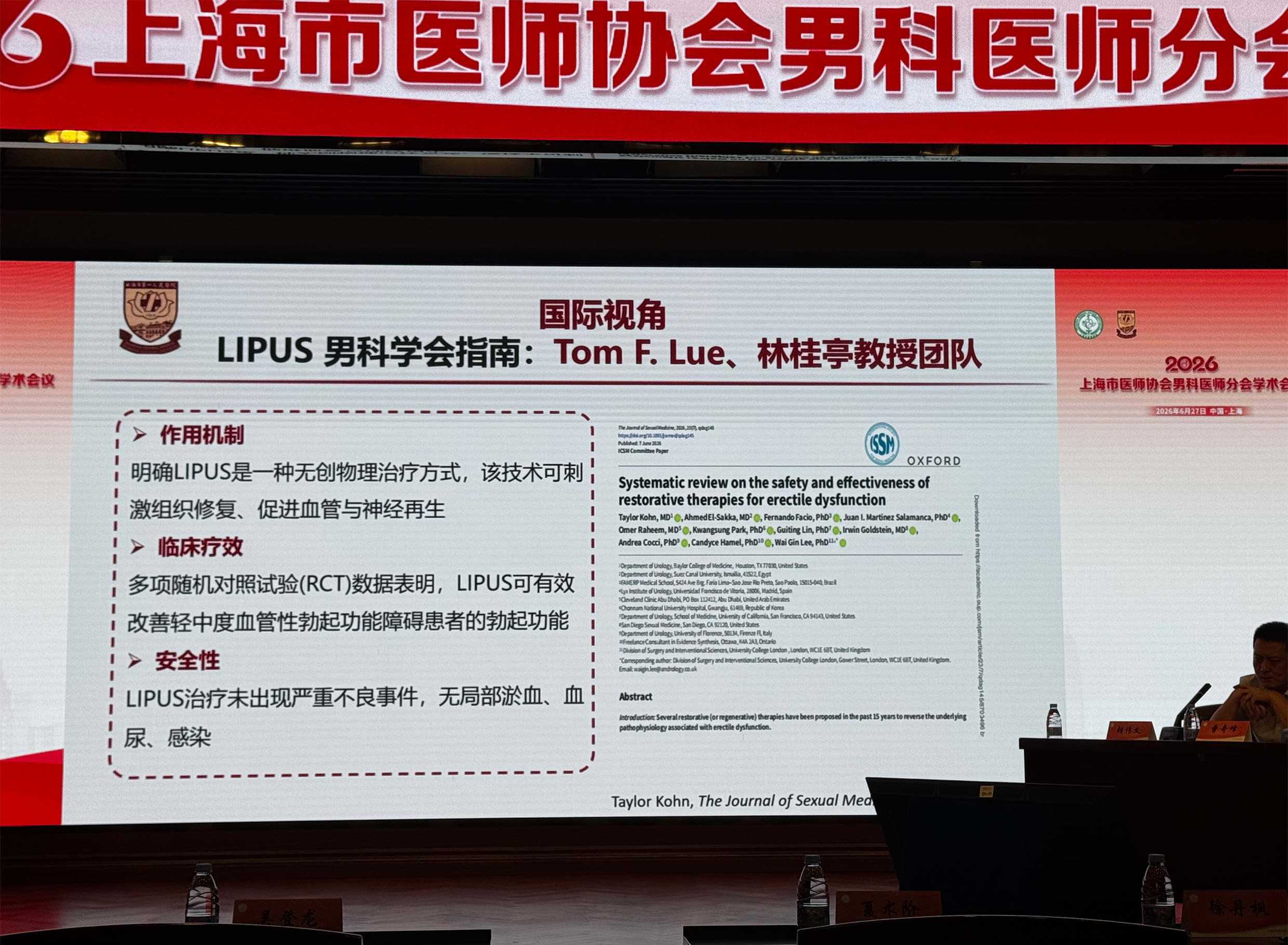
Referring to guidelines from the International Society for Sexual Medicine, Prof. Zhao summarized that LIPUS as a non-invasive physical intervention technology, validated by multiple randomized controlled clinical trials, holds significant research value in clinical intervention for vascular erectile dysfunction. It is overall safe, gentle, non-invasive, and well tolerated.
In summary, the LIPUS research system constructed by Shanghai First People’s Hospital, with erectile dysfunction diagnosis and treatment as the core focus, validates the scientific basis, safety, and broad application prospects of LIPUS microenergy technology for non-invasive ED therapy through complete basic experiments and large-scale single- and multi-center clinical research.
WBL Medical’s Focus on LIPUS Device R&D
Collaborating in Clinical Research to Promote Technology Translation
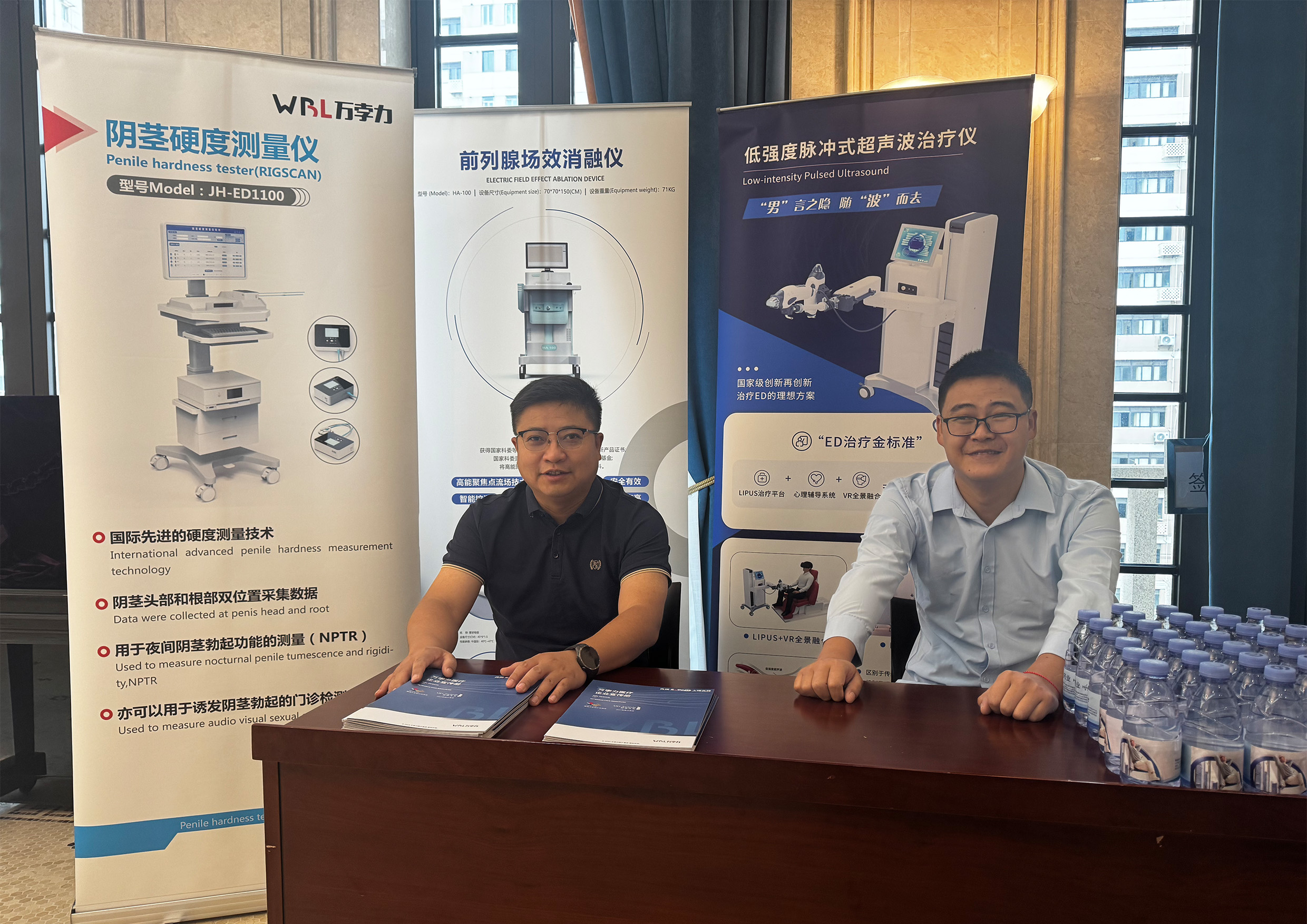
WBL Medical Group specializes in the independent research and development of medical devices related to low-intensity pulsed ultrasound (LIPUS), actively participating in this academic exchange. Their independently developed LIPUS treatment devices align with the LIPUS clinical research directions shared at this conference and continuously collaborate with many top-tier hospitals in Shanghai to advance clinical research, helping translate microenergy medical academic achievements into clinical practice.
The company remains guided by clinical research demands, continuously iterating equipment design around LIPUS technology and working with andrology clinical experts to refine non-invasive microenergy treatment applications, supporting the combined growth of academic research and clinical application in Shanghai’s andrology field.
WBL LIPUS
Low-Intensity Pulsed Ultrasound ED Treatment Platform
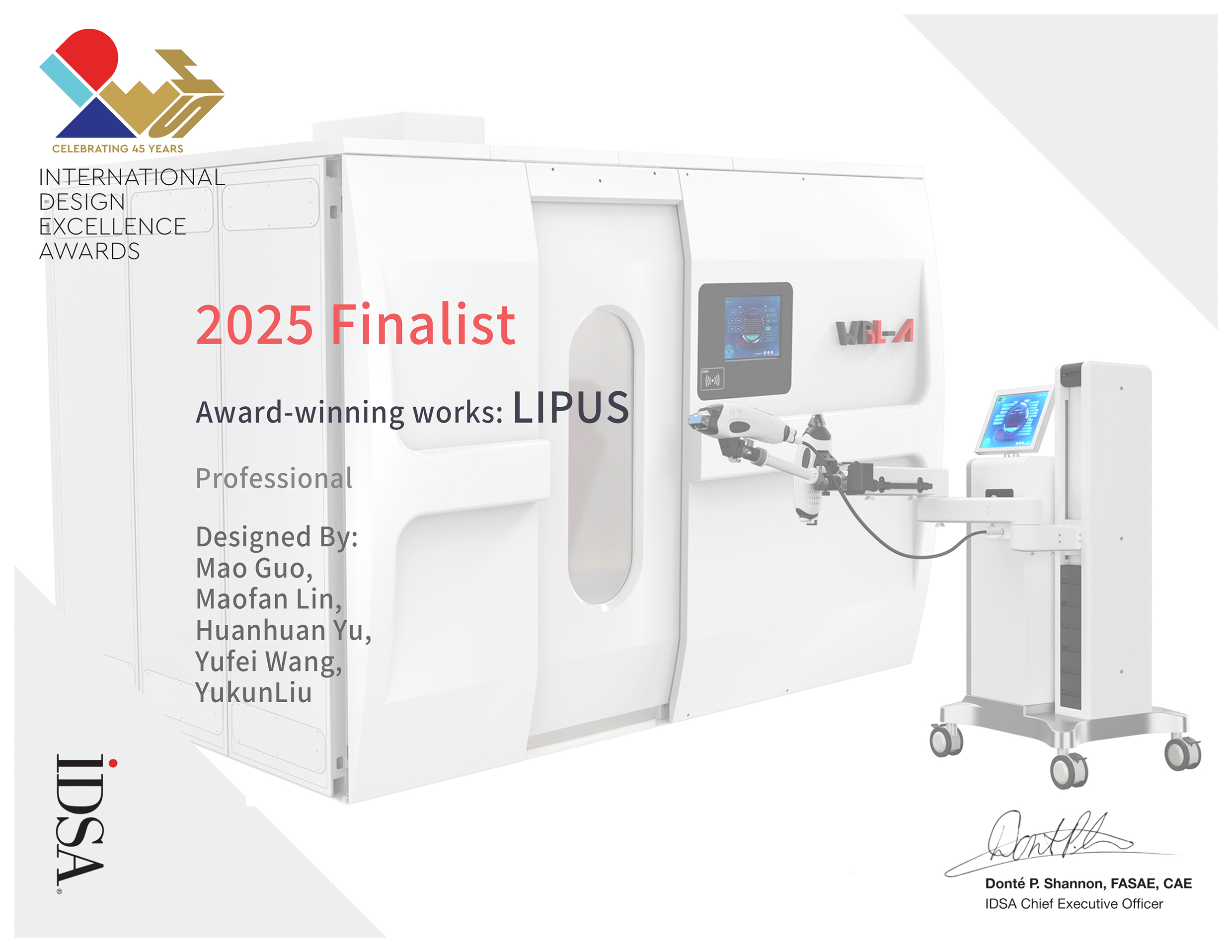
The WBL LIPUS low-intensity pulsed ultrasound therapy device has been validated by numerous clinical studies. Its design has won the international IDEA award, and the device has been featured on CCTV12’s “Scientific China” program. It emits low-energy pulsed ultrasound waves at 50-350 mW/cm² to gently act on the penile corpora cavernosa area, activating endogenous stem cells, improving local microcirculation, assisting in vascular and nerve repair and regeneration, and restoring damaged vascular endothelium and nerve matrix. It promotes functional repair of the corpora cavernosa tissue at the cellular level, helping alleviate symptoms associated with erectile dysfunction.
This equipment is a non-invasive physical therapy device, differing from common clinical interventions such as oral medications, local injections, and surgical implants. It uses an external physical therapy mode without the need for medication or invasive operations, avoiding drug-related bodily side effects and procedural risks, offering a gentle physical therapy alternative for those who need it.
Three Major Advantages
1.Non-invasive, safe, and painless
No surgery or injections required; treatment is administered using external equipment, avoiding risks and pain associated with traditional surgery.
2.Promotes tissue repair and regeneration
Ultrasound stimulates angiogenesis, improves local blood flow, and promotes nerve function recovery.
3.Significant and lasting efficacy
Clinical studies show that after multiple treatments, patients’ erectile function scores improve significantly with stable and lasting effects.
Meeting Summary
This academic conference centered on expert keynote speeches and clinical research reports of cutting-edge technology, focusing on academic exploration of LIPUS microenergy medicine in andrology. Through detailed in-house clinical research shared by Prof. Zhao Fujun, it fully demonstrated the research and development potential of LIPUS technology in the urological andrology field.
Going forward, WBL Medical will continue to deepen independent R&D of LIPUS medical equipment, strengthen clinical research collaboration with domestic urological andrology experts, accelerate research progress related to microenergy non-invasive therapy, and jointly promote steady development of the domestic andrology discipline with industry partners.