
Recently, WBL Medical Group successfully completed an important international medical cooperation itinerary in Thailand. Its LIPUS (Low-Intensity Pulsed Ultrasound) technology platform was officially installed and systematically trained at a top medical center in Thailand, marking a significant step forward for WBL's micro-energy medical technology in the international clinical application field.
Southeast Asia's Medical Benchmark Hospital Chooses WBL
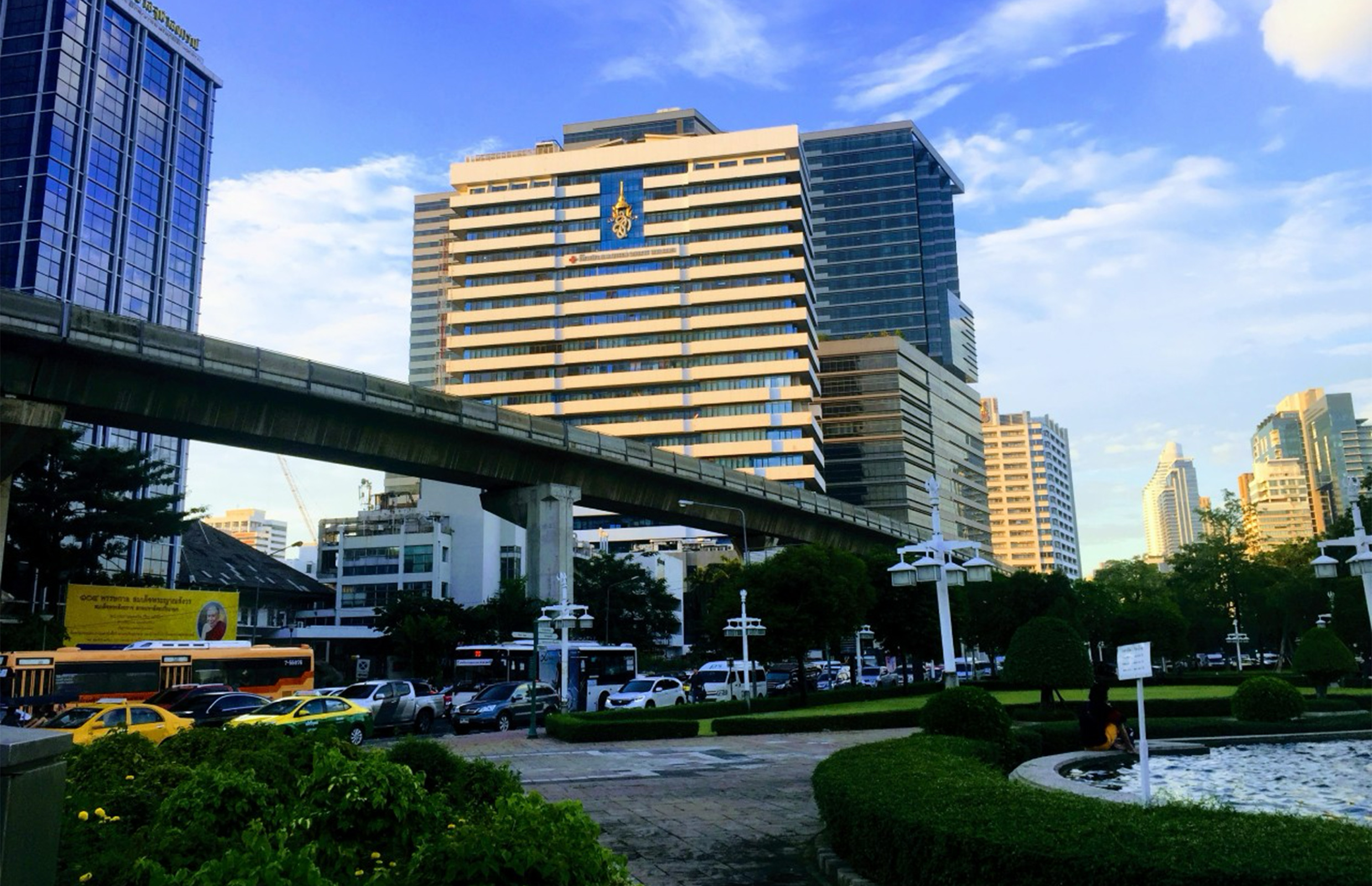
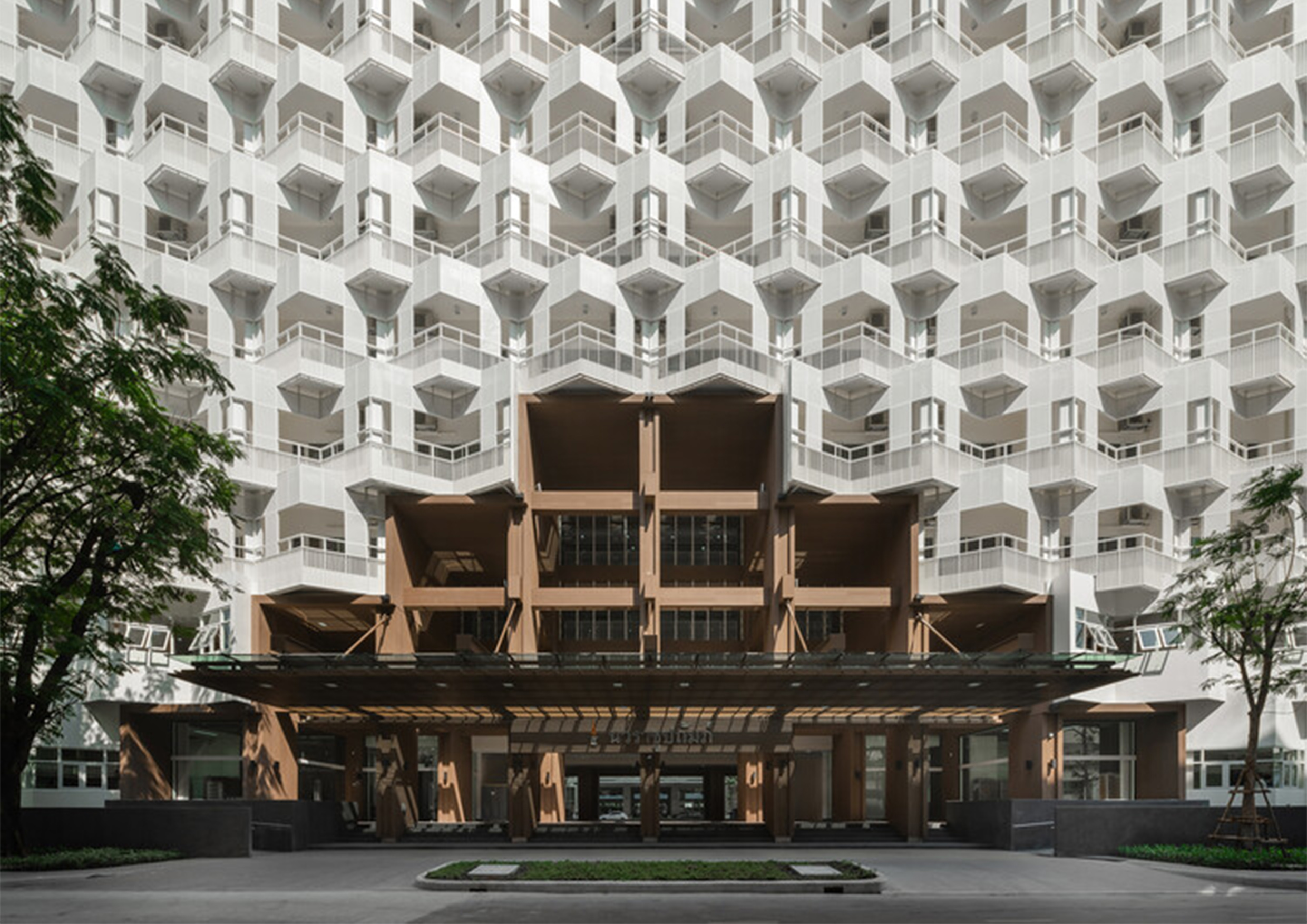
The collaborating hospital is Chulalongkorn Memorial Hospital, which is affiliated with Chulalongkorn University Faculty of Medicine. It is one of Thailand's oldest and most academically prestigious national medical centers, holding high significance and demonstrating influence in the Southeast Asian region. The hospital is responsible for multiple important missions:
1.National and international multi-center clinical research projects
2.Advanced specialist and resident training
3.Development of medical standards and academic leadership in the Southeast Asia region
This time, Chulalongkorn Memorial Hospital has adopted WBL's LIPUS and HA-100 micro-energy medical systems, underscoring its strong emphasis on regenerative medicine, non-invasive treatments, and evidence-based medical pathways.
High-Profile Medical Exchange and In-Depth Clinical Dialogue
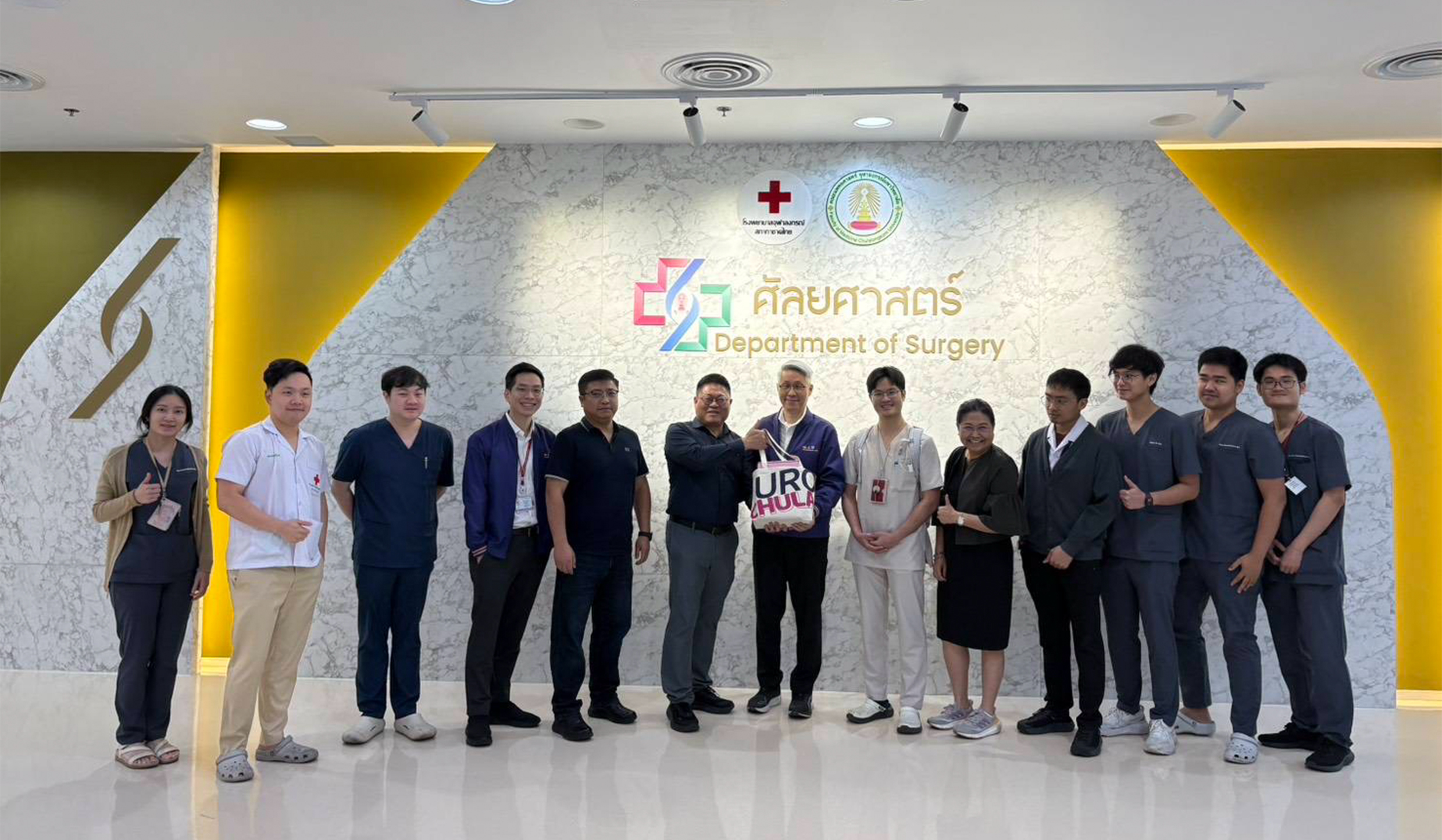
The installation and training meeting was led by the hospital's Urology Department. The main representative from the hospital and the event organizer was Dr. Kavirach Tantiwongse, who serves multiple roles, including Vice Dean responsible for facilities management at Chulalongkorn University Faculty of Medicine and Assistant Professor in the Urology Department. The next-generation core leader in the Urology Department, Dr. Kawintharat Harirugsakul, also participated throughout and engaged in in-depth discussions regarding future clinical research and trial design.
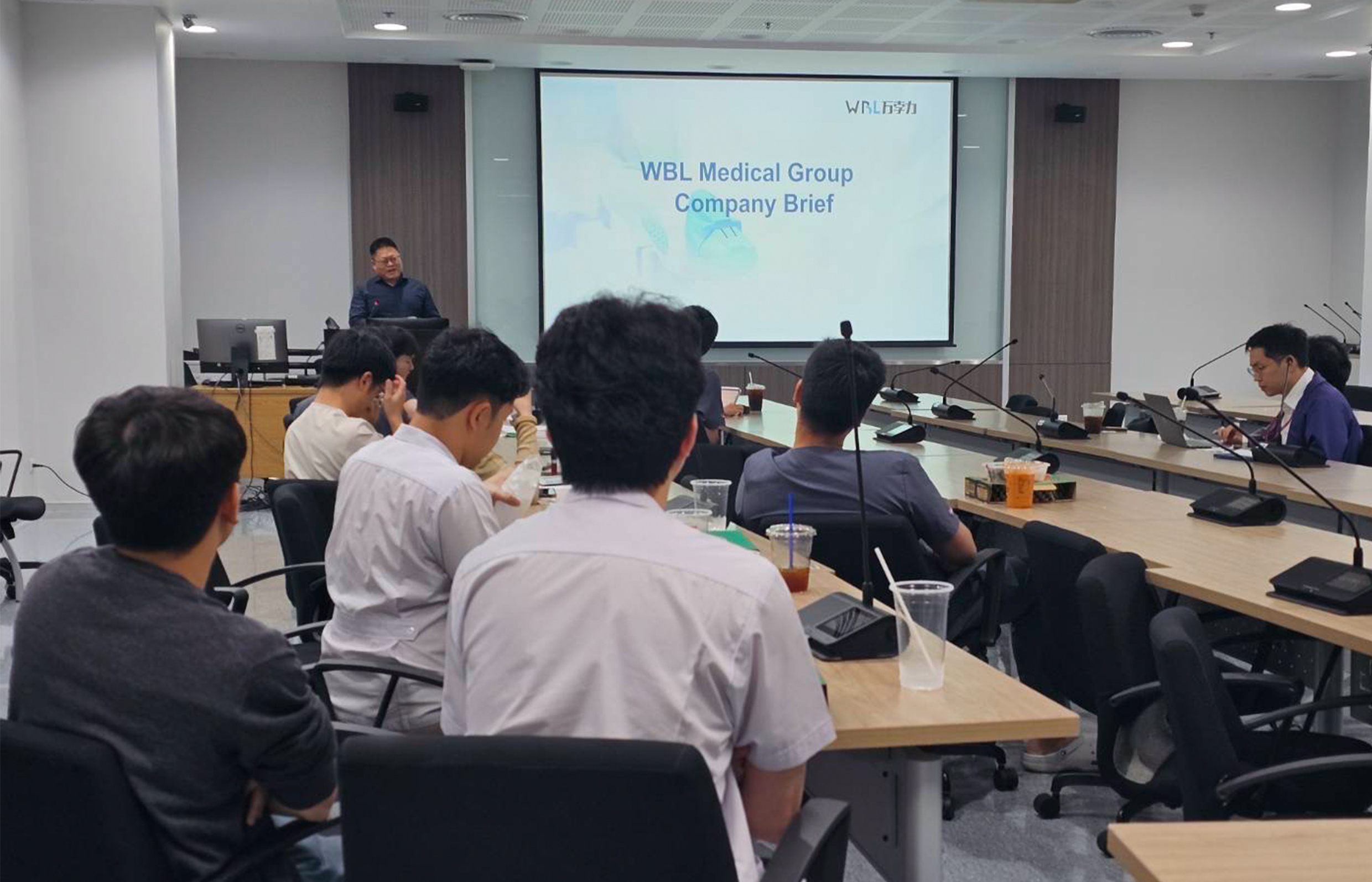
In the first half of the meeting, WBL Medical's representative, Richard Weng, delivered a systematic academic briefing covering:
1.The principles of LIPUS micro-energy medical technology, revealing its scientific basis
2.International literature and clinical evidence logic demonstrating the reliability of the technology
3.Selection of indications and safety boundaries ensuring compliance in clinical applications
4.Equipment system architecture and key clinical operation points to guide practical operation
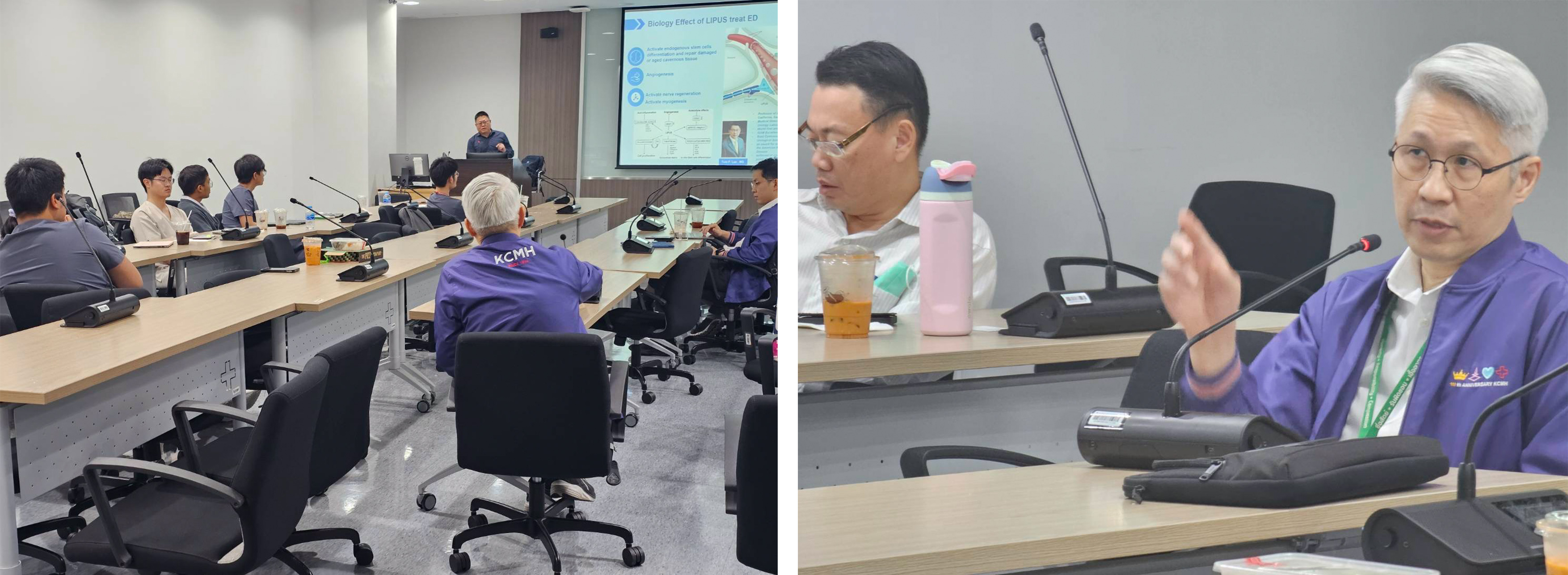
Participating physicians were actively engaged in asking questions, and the discussion was both lively and professional. Dr. Kavirach provided additional insights on:
1.Why the hospital decided to introduce the LIPUS technology platform
2.The long-term value of this technology for young physicians and residents' clinical training
3.The role of micro-energy medicine in the future treatment framework for urology
This fully demonstrated the hospital’s high recognition of the technology and the long-term strategic planning behind it.
Focusing on RCT Discussions and Planning Clinical Validation
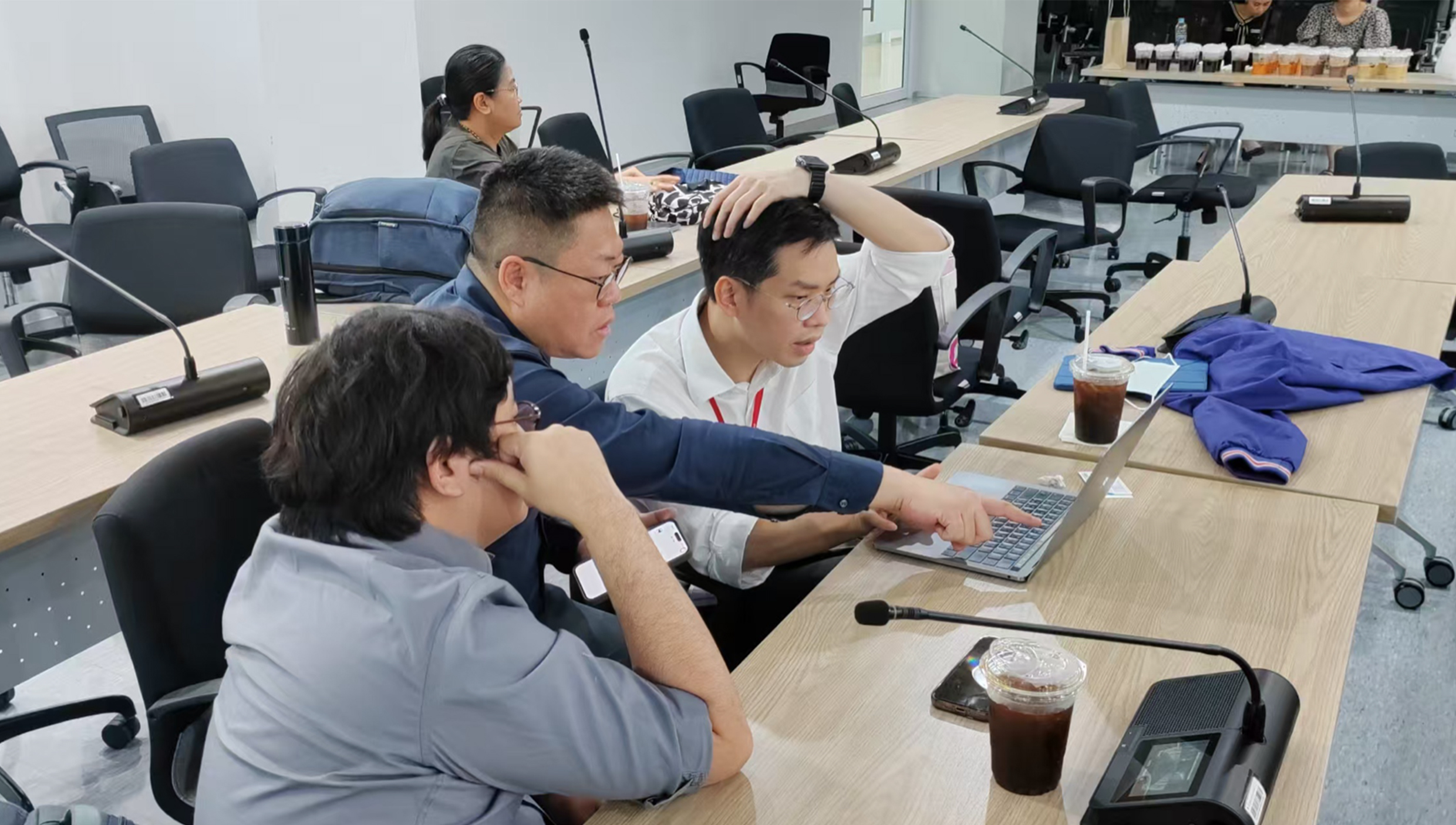
During the technical exchange, Dr. Kawintharat Harirugsakul and Dr. Pong, among others, engaged in in-depth discussions about the feasibility of designing a Randomized Controlled Trial (RCT), including control group settings and clinical observation indicators. They also exchanged insights on:
1.Clinical pathway design to ensure the treatment process is scientifically reasonable
2.Standardization of treatment parameters to ensure replicable treatment outcomes
3.Data collection and ethical review processes to ensure compliance and rigor in research
A thorough academic exchange laid a clear direction for subsequent clinical validation.
On-Site Teaching at OPD, Promoting Comprehensive Implementation
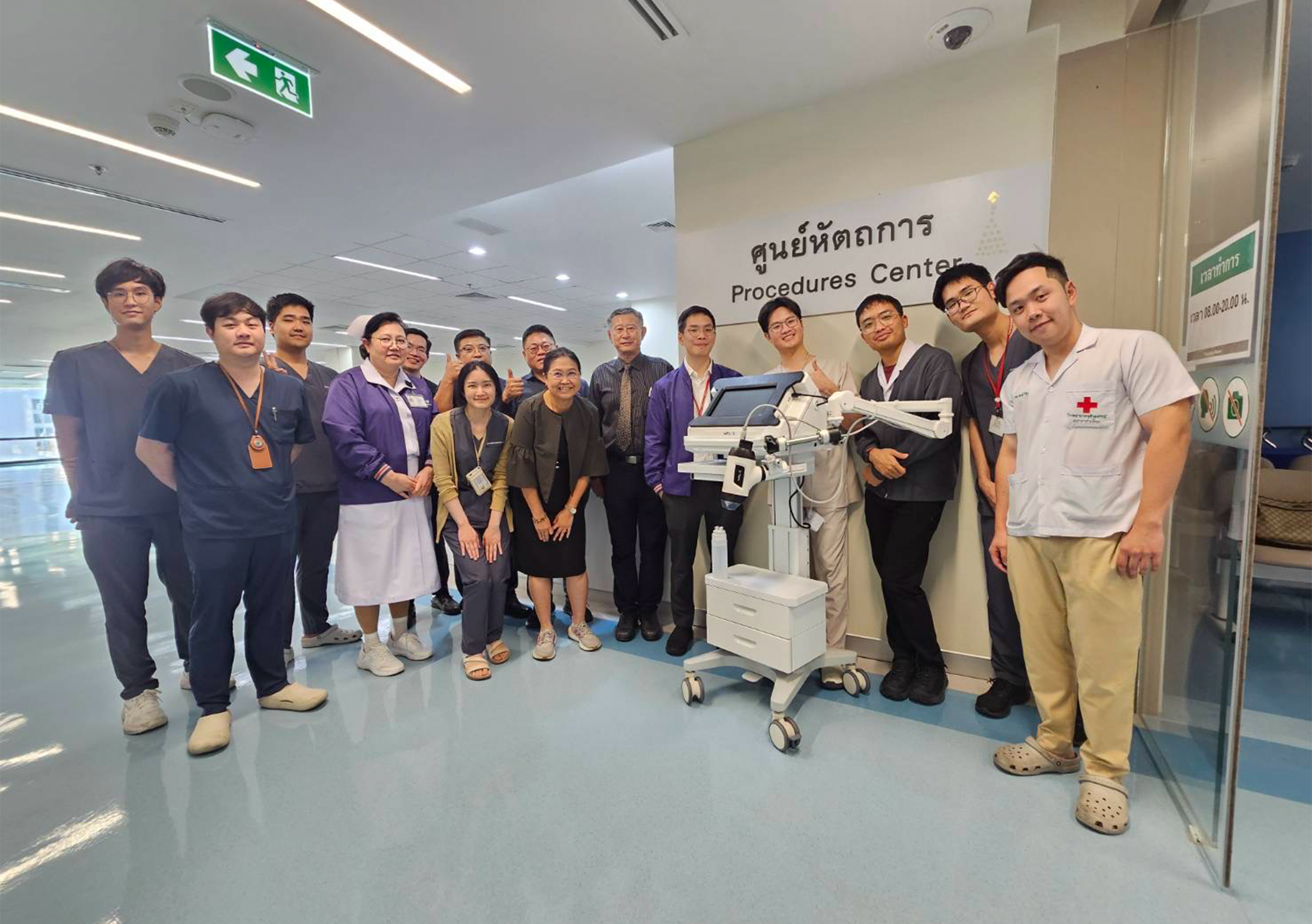
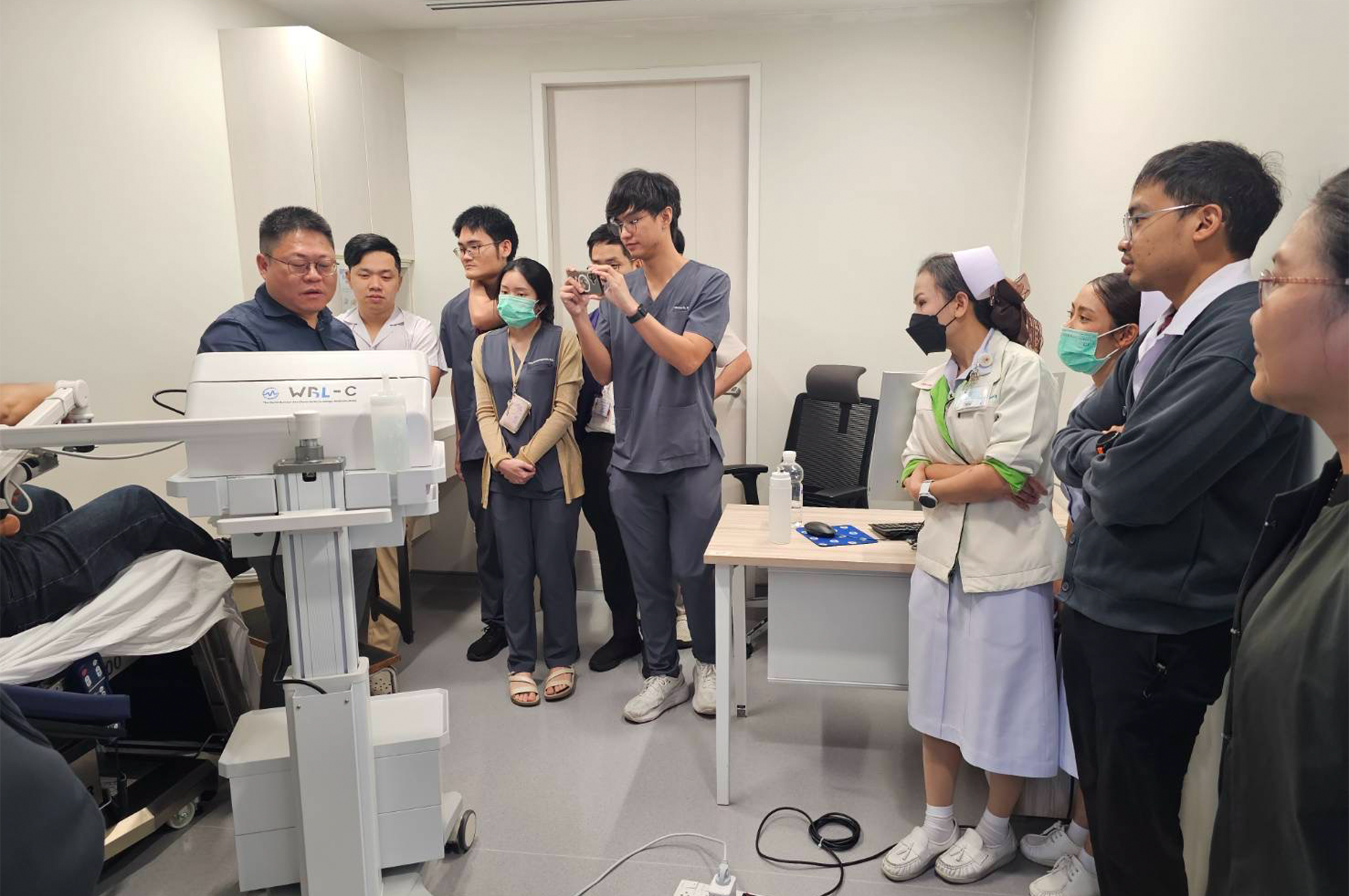
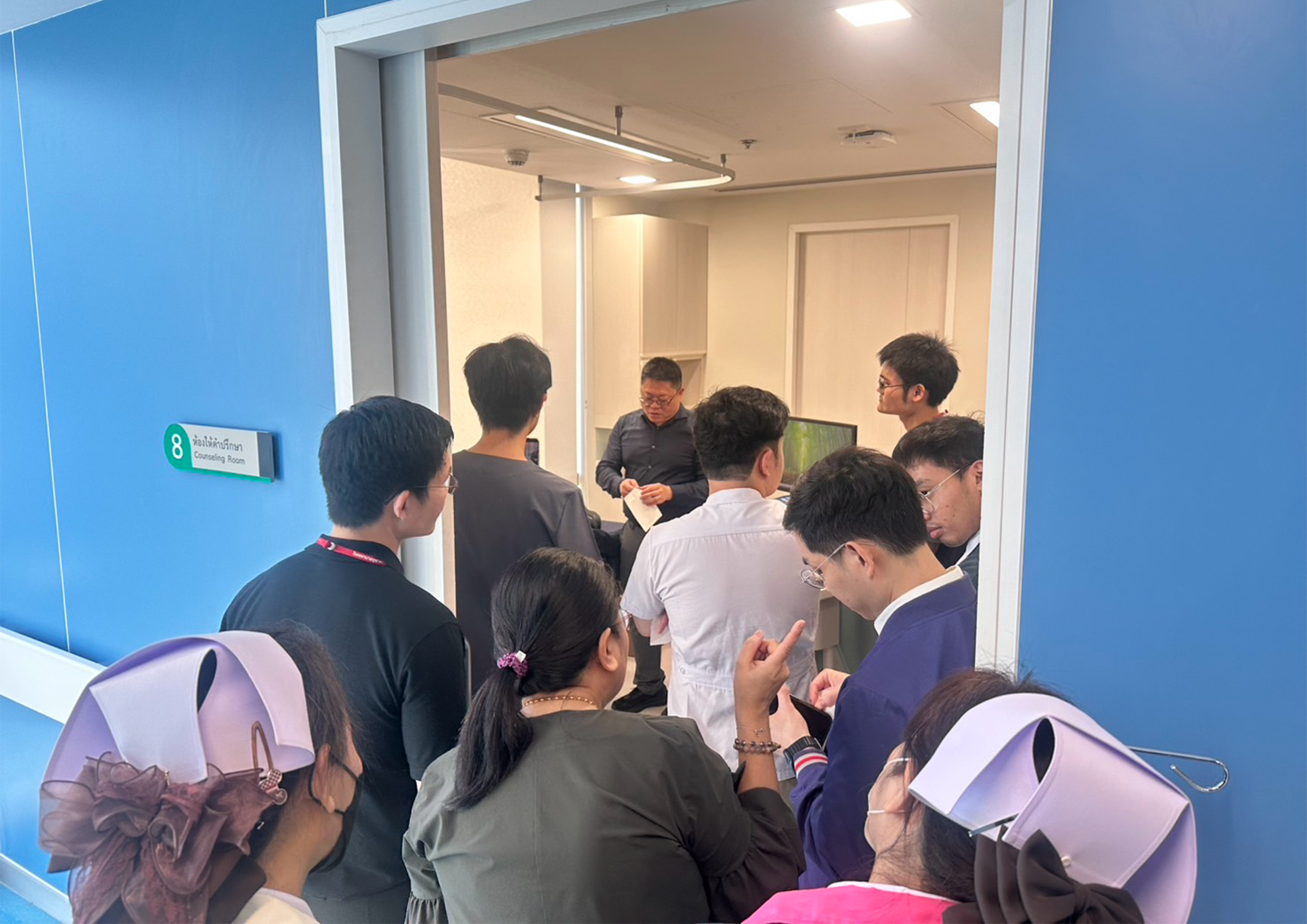
In the latter half of the meeting, the training team moved to the hospital's OPD building for on-site equipment installation and operational training. The number of participants was substantial, including several attending physicians, over 20 residents, and nursing team members. They were fully focused on learning and diligently recorded the session, reflecting the hospital's significant commitment to the system as a teaching and clinical tool.
Support from Partners Ensures Project Advancement
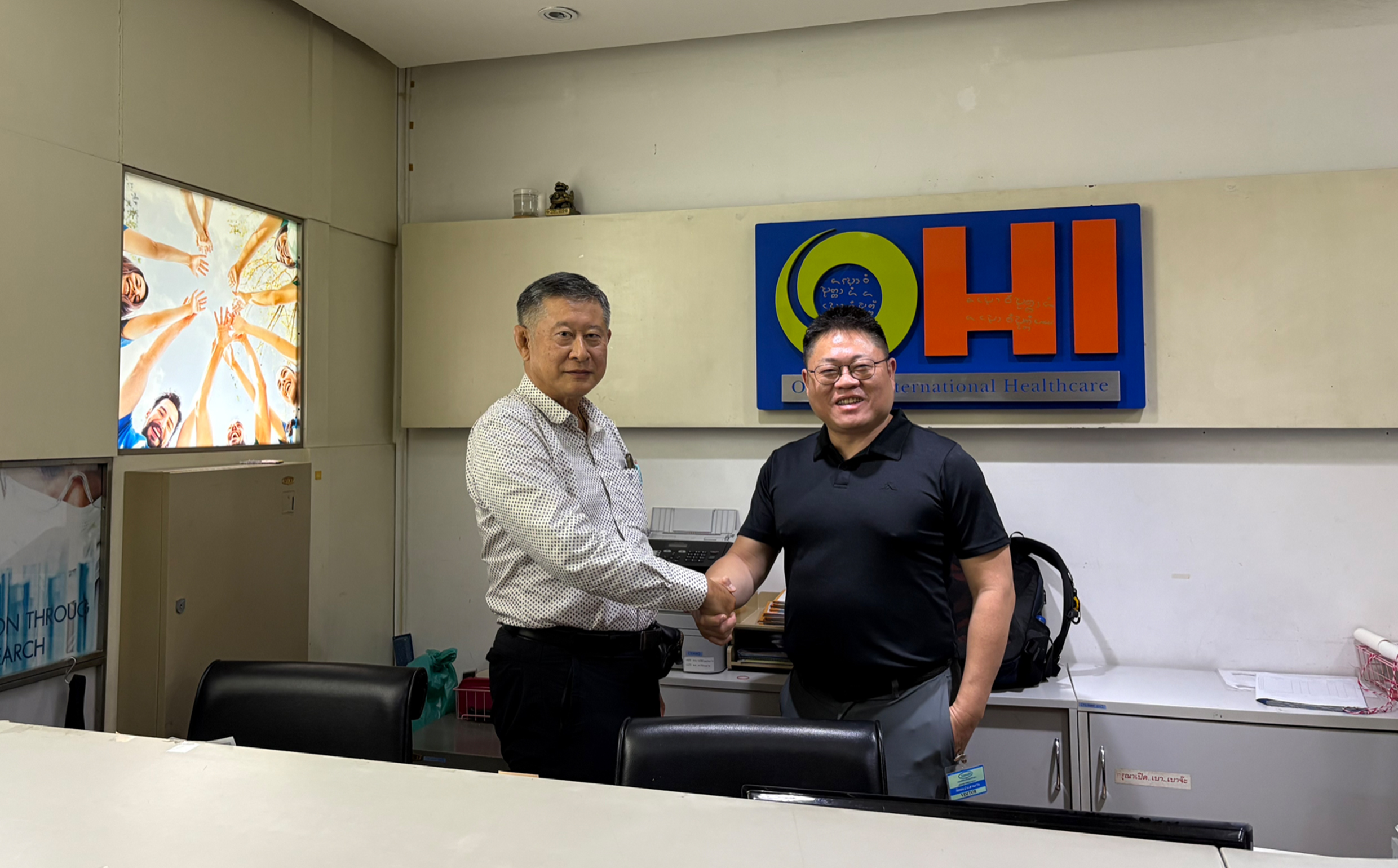
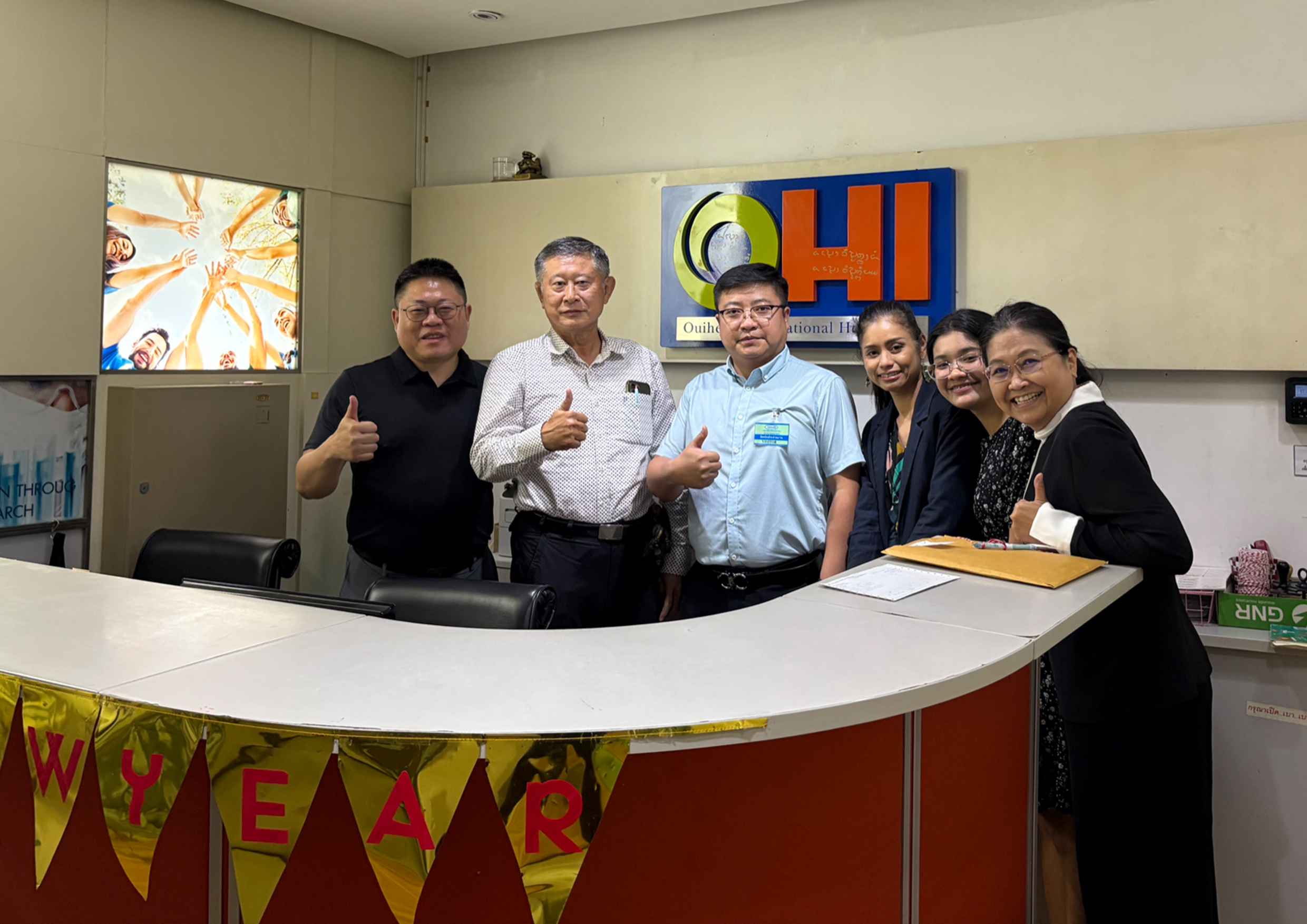
This project has received full support from OHI (Ouiheng International Healthcare), a local partner in Thailand. Mr. Boonsak Satiraphan, the General Manager of OHI, provided crucial support in regulatory affairs, logistics, and coordination with the hospital during the early phases and personally accompanied the visit to the hospital the following day. This series of actions demonstrated both parties' high regard for and long-term commitment to this collaborative project.
From China to the World, WBL's Mission
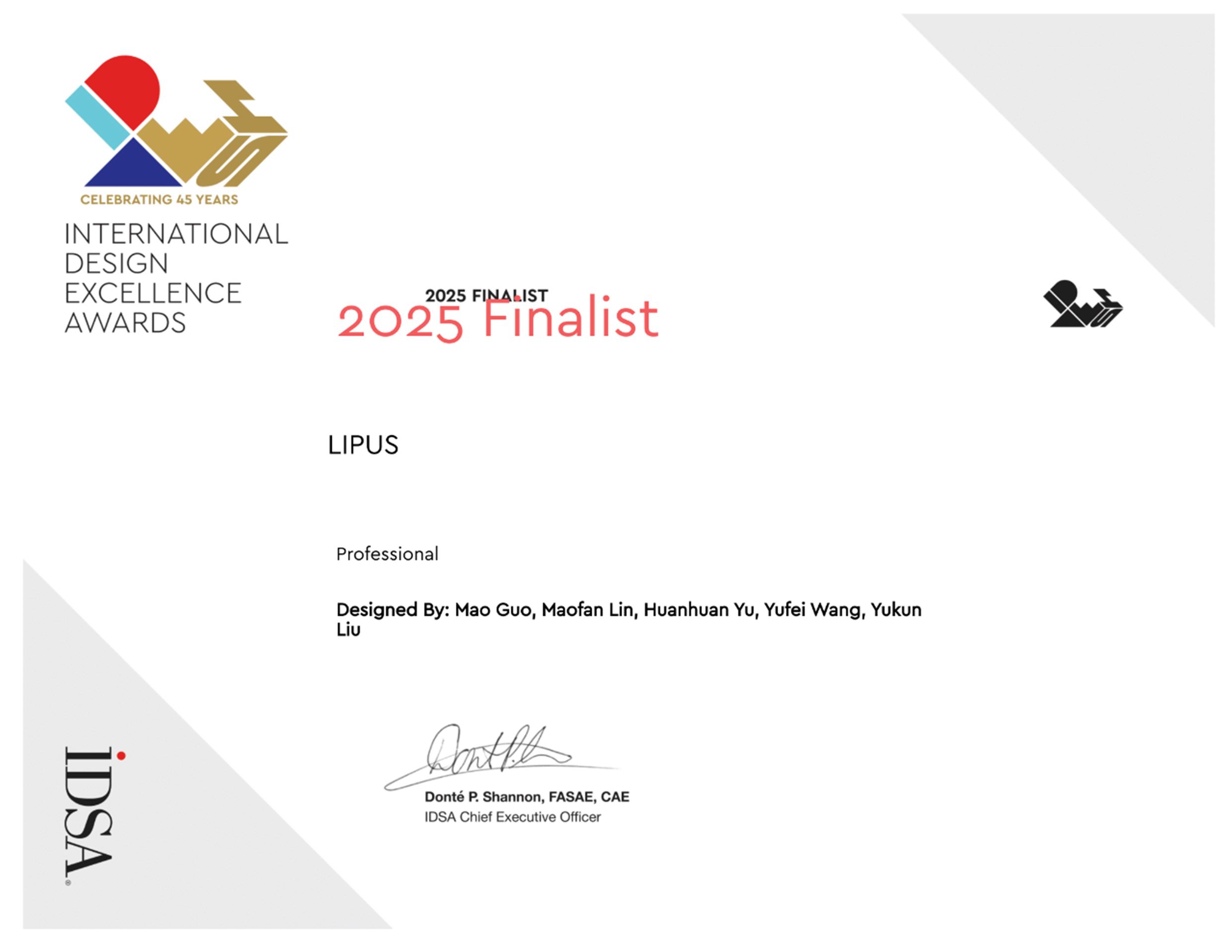
The introduction of WBL's LIPUS technology platform to Chulalongkorn Memorial Hospital in Thailand is of profound significance. It is worth noting that WBL's LIPUS has also been awarded the 2025 IDEA Design Award, an international accolade that adds authoritative recognition to its technological strength and innovation capabilities.
This not only marks its first formal entry into the clinical-level systems of top overseas hospitals but also holds far-reaching strategic value in multiple aspects:
1.The technology entering a high-standard international medical scrutiny system
2.Clinical data with global dissemination and citation value
3.Providing authoritative medical demonstration cases for the Southeast Asian market
WBL consistently bases its approach on evidence-based medicine, striving to bring micro-energy medicine into real clinical scenarios. This trip to Thailand was not only a successful execution of an international project but also a systemic validation of its technological strength, clinical value, and international collaboration capabilities.
In the future, WBL will continue to work alongside global medical institutions to let China's original micro-energy medical technology shine on the world stage, exerting a broader and deeper clinical influence.