
WBL LIPUS
Extracorporeal Pulsed Ultrasound Brings Non-invasive Treatment Options
When it comes to pelvic floor health, people often instinctively associate it with women. However, pelvic floor health is not an issue exclusive to women; both men and women can experience pelvic floor dysfunction. Daily habits such as prolonged standing, sitting for long periods, sustained squatting, pregnancy and childbirth (for women), and aging can gradually affect the normal physiological state of the pelvic floor tissues, leading to a range of discomforts that significantly impact quality of life.
From urinary issues like frequent urination, urgency, and nocturia, to bowel troubles like constipation and incomplete bowel movements, and sexual dysfunction (men: erectile dysfunction, premature ejaculation, etc.; women: pain during intercourse, orgasmic disorders, etc.), even persistent pain in the perineum, groin, and sacral areas—these seemingly isolated "difficult-to-talk-about" issues may all be closely related to pelvic floor dysfunction. To understand the root cause of these problems, it’s essential to first recognize: What exactly is the pelvic floor, and why is it so important?
Understanding the Pelvic Floor: The "Support System" of Core Functions
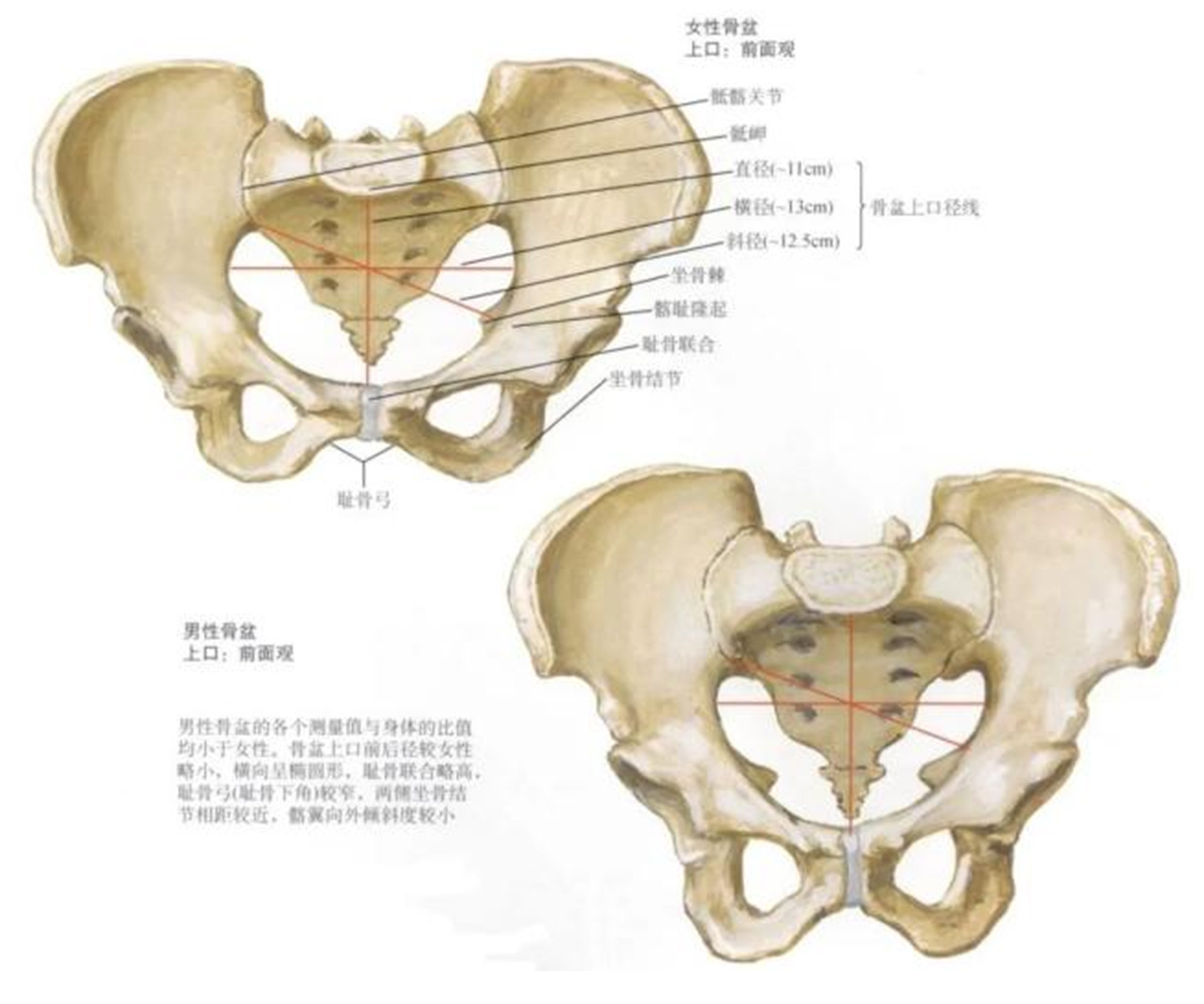
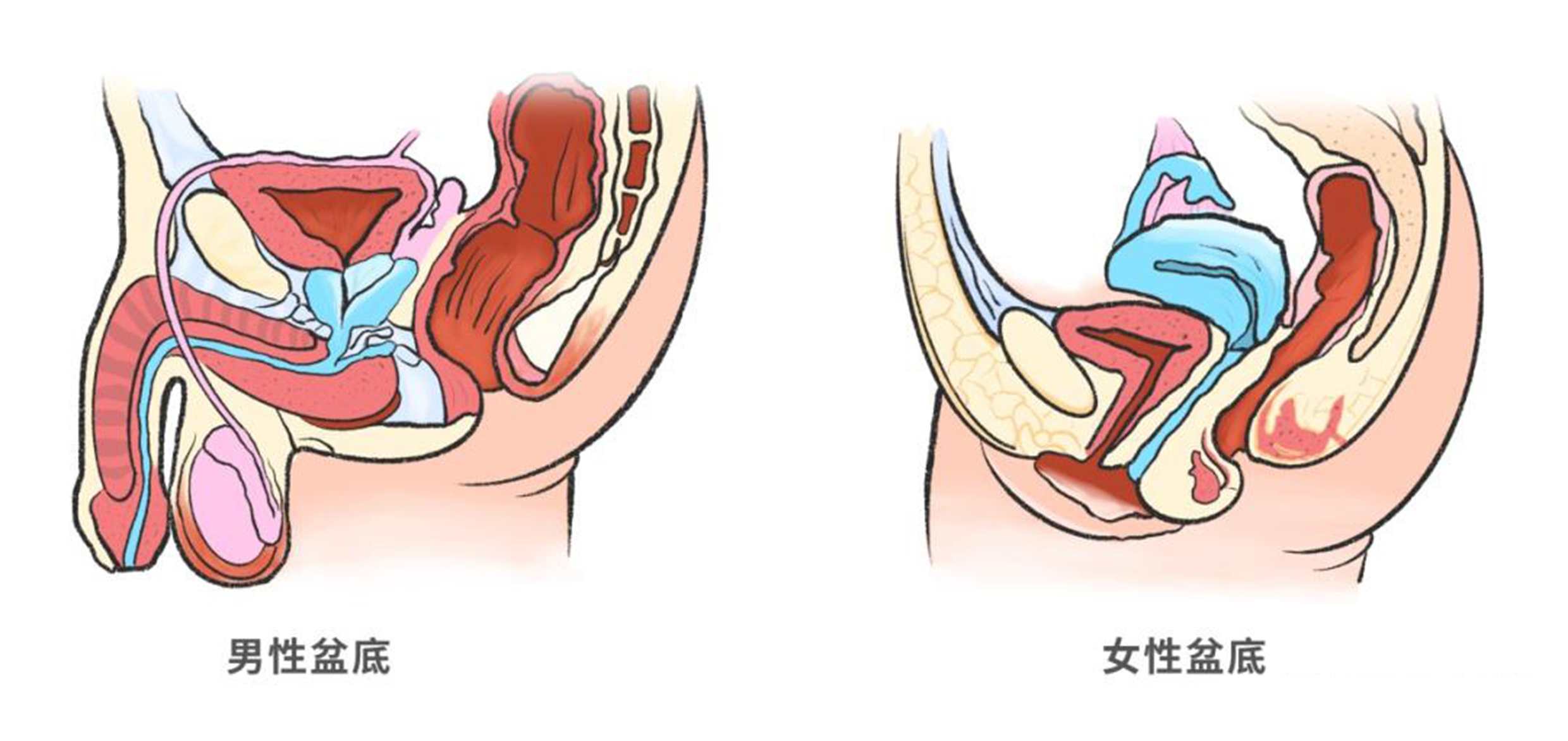
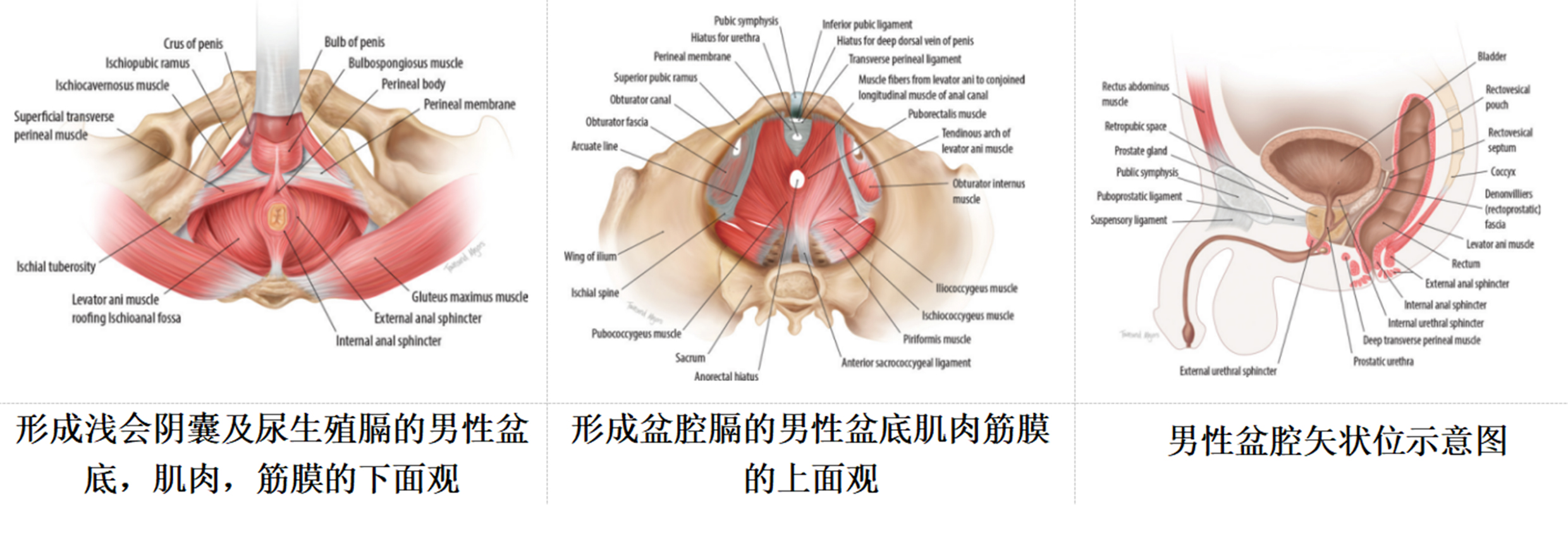
The pelvic floor is a complex structure located at the bottom of the pelvis. Both men and women have it, and it consists of multiple layers of muscles, ligaments, and other soft tissues, functioning like a sturdy "hammock" that supports and holds the bladder, urethra, rectum (and in women, the uterus and vagina) within the pelvic cavity. It plays a critical role in maintaining the stability of urinary, bowel, and reproductive functions. The pelvic floor stretches from the pubic bone in the front to the tailbone in the back and connects to the ischial tuberosities on both sides, forming the bottom support barrier of the pelvic cavity.
Key Components of the Pelvic Floor
Bladder: Located in the front of the pelvis, the bladder is the core organ responsible for storing urine. Both men and women rely on the pelvic floor muscles for the filling and emptying process, and the condition of these muscles directly affects the stability of bladder function.
Urethra: Running through the pelvic floor muscles, the urethra is responsible for passing urine from the bladder out of the body. Both men and women rely on the pelvic floor muscles' normal contraction and relaxation rhythms for urinary control.
Rectum: Located at the back of the pelvis, the rectum functions to store feces before expulsion. Both men and women depend on the pelvic floor muscles for the smooth and controlled release of feces.
Pelvic Floor Muscles: These muscles form the core support structure of the pelvic floor. The pelvic floor muscles in both men and women serve the same core function—maintaining the proper anatomical position of pelvic organs and dynamically regulating urinary, bowel, and sexual functions through precise contraction and relaxation.
Female-Specific Pelvic Organs: These include the uterus and vagina, which rely on the pelvic floor muscles for stable support. Dysfunction of the pelvic floor muscles can lead to conditions like uterine prolapse or vaginal wall prolapse.
Pelvic Floor Structure in Layers
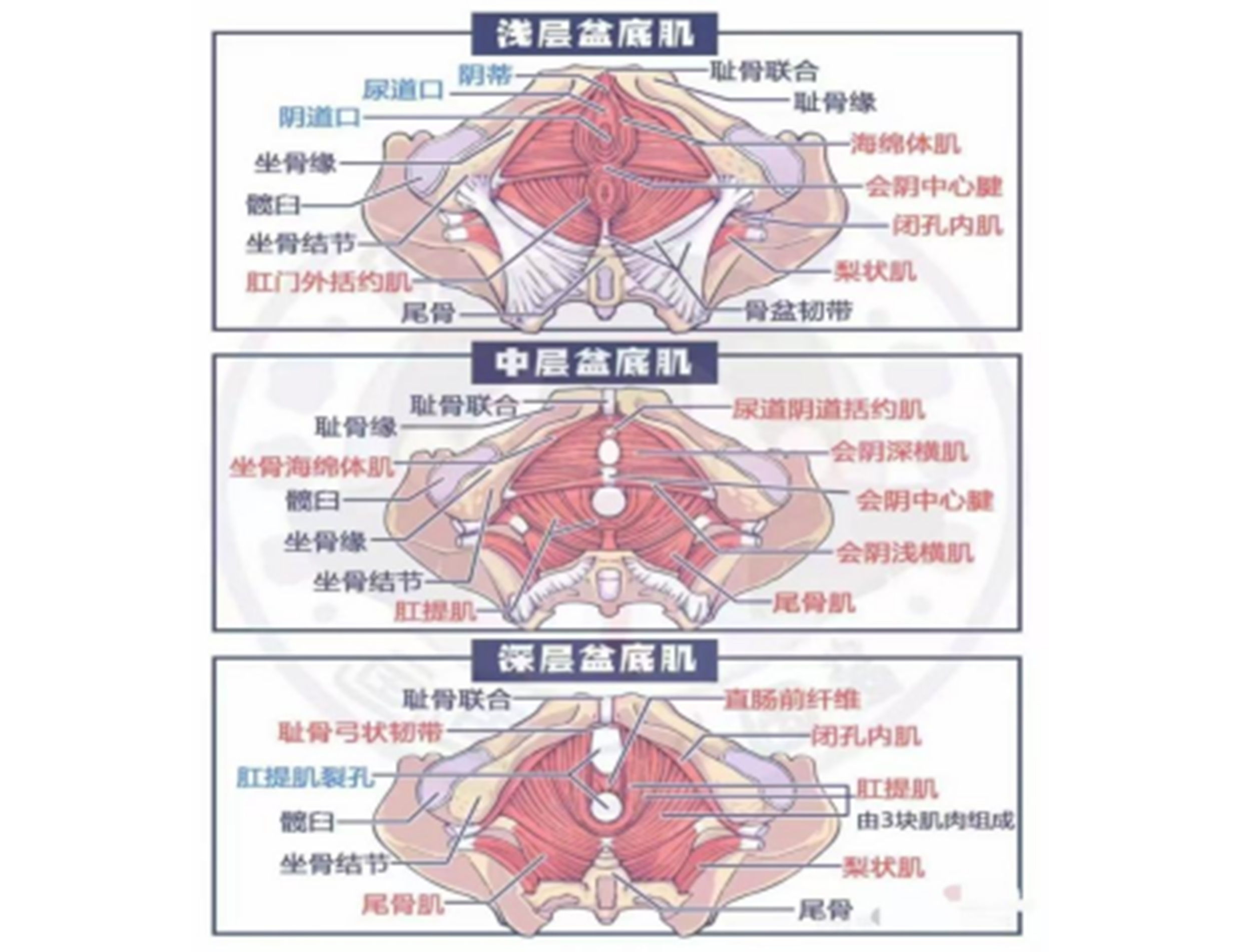
The pelvic floor muscles in both men and women are highly similar, and can be divided into three layers from superficial to deep. These layers work together to ensure the completeness of pelvic floor function:
First Layer (Superficial Layer): Includes the bulbospongiosus muscle, ischiocavernosus muscle, superficial transverse perineal muscle, and external anal sphincter. This layer is involved in basic functions such as controlling urination, defecation, and some aspects of sexual function.
Second Layer (Middle Layer): Includes the urethral sphincter, deep transverse perineal muscle, urethral compressor muscle, perineal membrane, and internal anal sphincter. This layer is critical for fine control over urination and defecation.
Third Layer (Deep Layer): Includes the levator ani muscle, obturator internus muscle, and coccygeus muscle. This is the core support layer for maintaining pelvic organ stability. Any weakening or dysfunction in this layer directly affects the position of pelvic organs and leads to related functional disorders.
Pelvic Floor Dysfunction: A Common Health Concern for Both Men and Women
When the muscles, ligaments, and other tissues of the pelvic floor become dysfunctional, pelvic floor dysfunction (PFD) can occur, affecting both men and women. The symptoms of PFD are diverse and include urinary, bowel, sexual, and pelvic pain issues, among others. In addition to common symptoms, there are also gender-specific manifestations, which can be categorized as follows:
1.Urinary Disorders
Symptoms include frequent urination, urgency, nocturia, waiting to urinate, difficulty urinating, reduced urine stream, post-urination dribbling, and stress urinary incontinence (e.g., involuntary leakage during coughing or exercise, common after childbirth in women). These symptoms are often related to overactive or relaxed pelvic floor muscles, which disrupt urinary control, leading to difficulty or loss of control during urination. Both men and women can experience this, with women being at higher risk post-pregnancy and childbirth.
2.Bowel Disorders
Symptoms include constipation, difficulty defecating, and the feeling of incomplete evacuation, which affect both men and women. The pelvic floor muscles are critical for defecation. Abnormal contraction rhythms or weakness in these muscles can directly interfere with the normal release of feces, leading to digestive issues.
3.Sexual Dysfunction
Symptoms vary by gender: Men often experience erectile dysfunction, premature ejaculation, weak ejaculation, and pain during intercourse. Women may experience pain during intercourse, difficulty achieving orgasm, and vaginal laxity. Coordinated contraction of the pelvic floor muscles is essential for maintaining normal sexual function, and any dysfunction can affect blood flow to the reproductive organs and disrupt nerve signals, leading to sexual dysfunction. In clinical practice, some cases of erectile dysfunction in men and postpartum sexual dysfunction in women have been poorly treated due to not addressing underlying pelvic floor issues.
4.Pelvic Floor Pain
This is often experienced as chronic, dull, or sharp pain in the perineum, groin, sacral area, or pubic bone. Prolonged sitting, standing, or pain after sexual activity can worsen the symptoms. This type of pain is often related to pelvic floor muscle spasms, nerve compression, or poor local blood circulation, and is a common manifestation of pelvic floor dysfunction.
A New Scientific Treatment Option
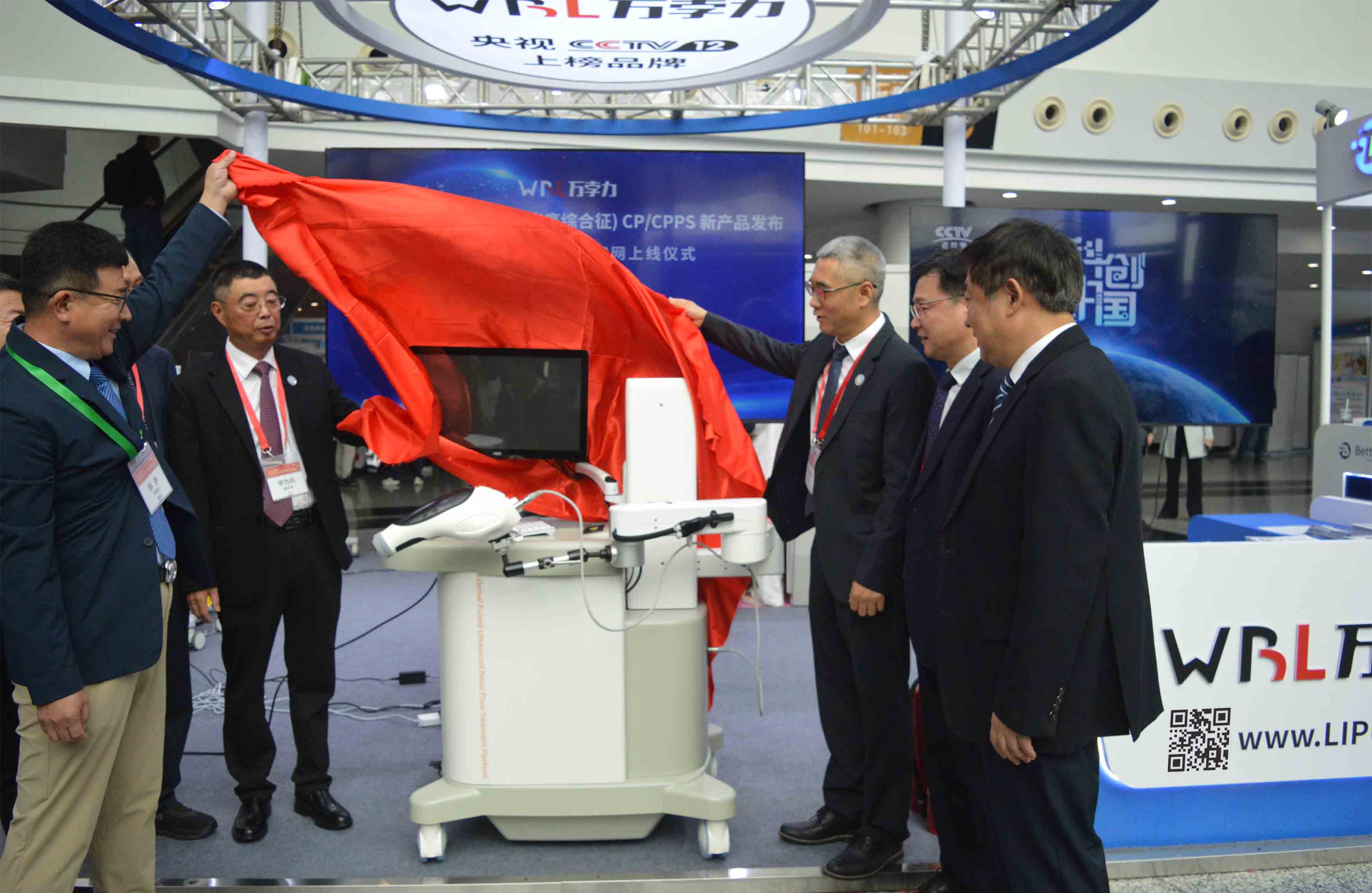
Extracorporeal Pulsed Ultrasound Pelvic Floor Treatment Platform
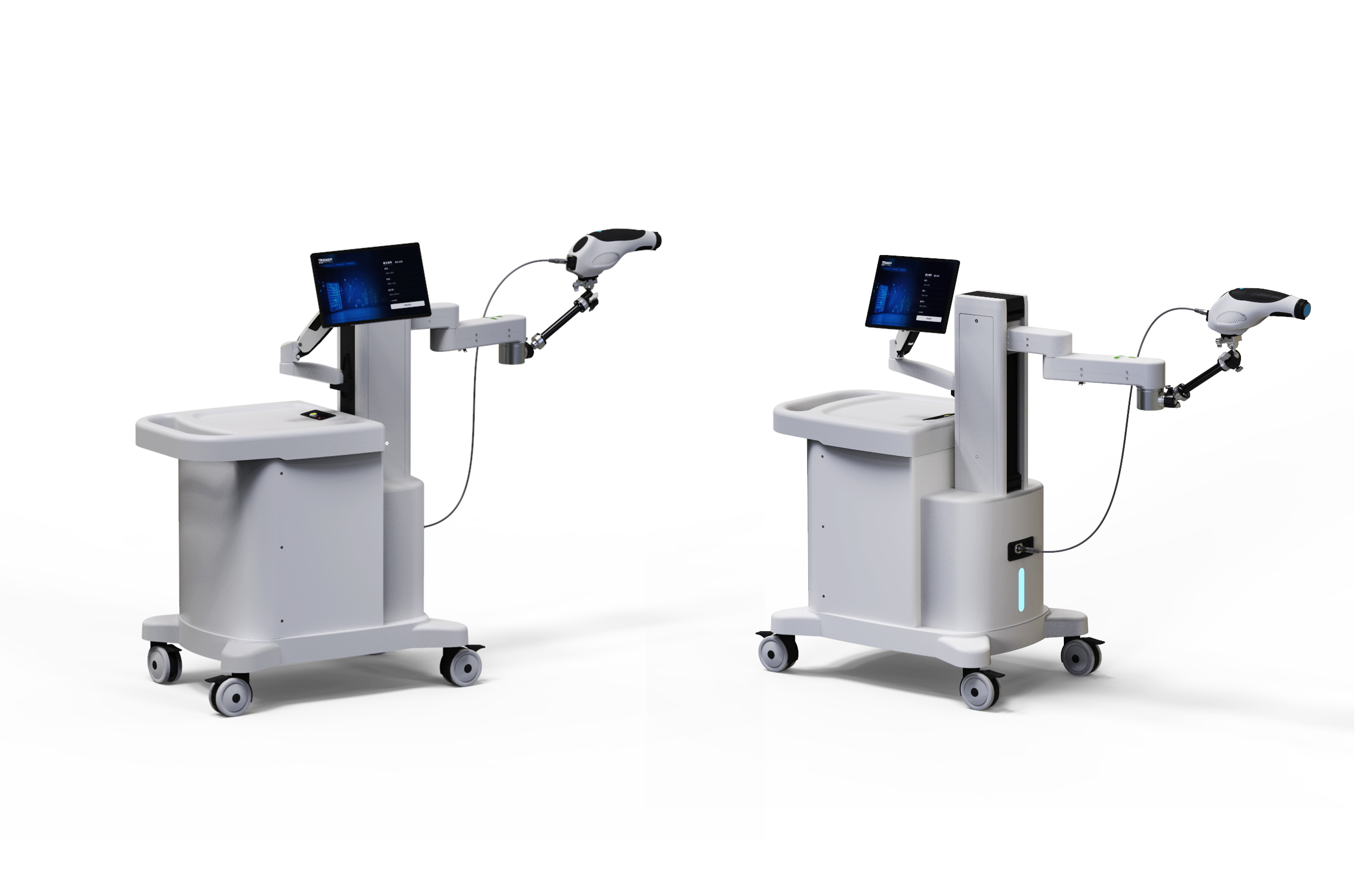
The WBL Extracorporeal Pulsed Ultrasound Pelvic Floor Treatment Platform utilizes the biological stimulation effect of pulsed ultrasound to precisely target and treat pelvic floor dysfunction, providing a safe and effective solution for both male and female patients. This technology is suitable for male pelvic floor dysfunction (e.g., urinary issues, sexual dysfunction) and can also effectively improve female pelvic floor muscle recovery post-childbirth, pelvic organ prolapse, and other common pelvic floor conditions. It offers a new option for the standardized treatment of pelvic floor dysfunction.
1、Core Treatment Principles
The platform uses extrinsic pulsed ultrasound energy, which can penetrate the pelvic fascia and precisely reach the pelvic floor nerves and muscles, directly treating the disease sites. The core mechanisms of treatment include:
Promoting Tissue Repair: Activating endogenous stem cells to promote the regeneration of damaged blood vessels and nerve repair in both male and female pelvic floors. This is especially beneficial for women recovering from postpartum pelvic floor muscle damage, improving pelvic floor tissue structure and function at the pathological level.
Improving Local Circulation: The mechanical vibrations and thermal effects of ultrasound promote blood circulation in the pelvic floor region, supplying nutrients to the damaged tissue and alleviating muscle spasms and pain.
Anti-inflammatory and Analgesic Effects: Through regulating pathways like TLR4 and COX2, it suppresses local oxidative stress and inflammation, reducing swelling and pain in pelvic floor tissues.
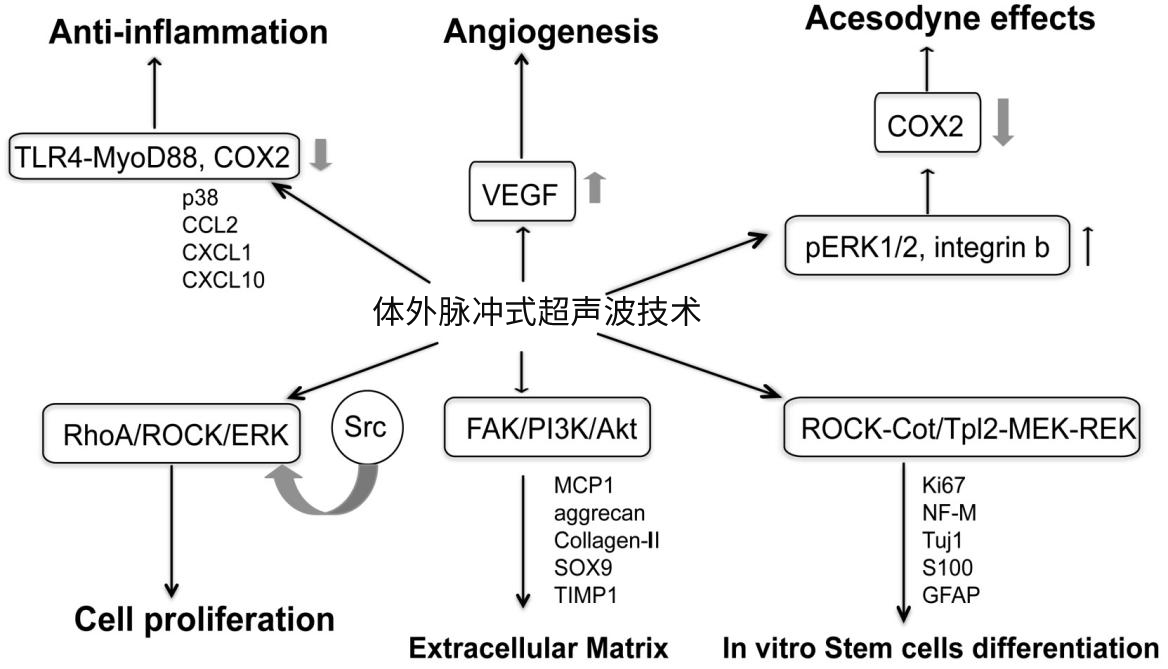
Research shows that pulsed ultrasound can regulate gene expression, cell signal transduction, and cytokine secretion, providing non-invasive anti-inflammatory, analgesic, and tissue repair effects for pelvic floor dysfunction, offering solid biological support for treatment.
2、Significant Treatment Advantages
(1) Non-invasive Treatment, Safe and Painless
No surgical incisions or catheter operations are required. Treatment is conducted through the external probe’s energy transmission, making it completely non-invasive, painless, and free of side effects. It significantly reduces the physical and psychological burden during treatment, enhancing patient compliance, especially for female patients who are concerned about invasive procedures.
(2) Proven Efficacy, Multi-symptom Improvement
Clinical multi-center randomized controlled trials have confirmed that this treatment significantly improves male urinary issues, pelvic pain, and sexual dysfunction. It also effectively alleviates female stress urinary incontinence, postpartum pelvic floor discomfort, and other issues, while improving the overall quality of life for both male and female patients. By repairing the pathological damage to pelvic floor tissues, it provides comprehensive symptom improvement rather than simply symptom relief.
(3) Authority Certification and Clinical Recommendations
This technology has been approved by the China NMPA (formerly CFDA) for tissue repair and is included in expert consensus guidelines as a recommended treatment for pelvic floor dysfunction. Its safety and efficacy have been clinically recognized and can be considered a standardized treatment option for pelvic floor dysfunction.
WBL LIPUS
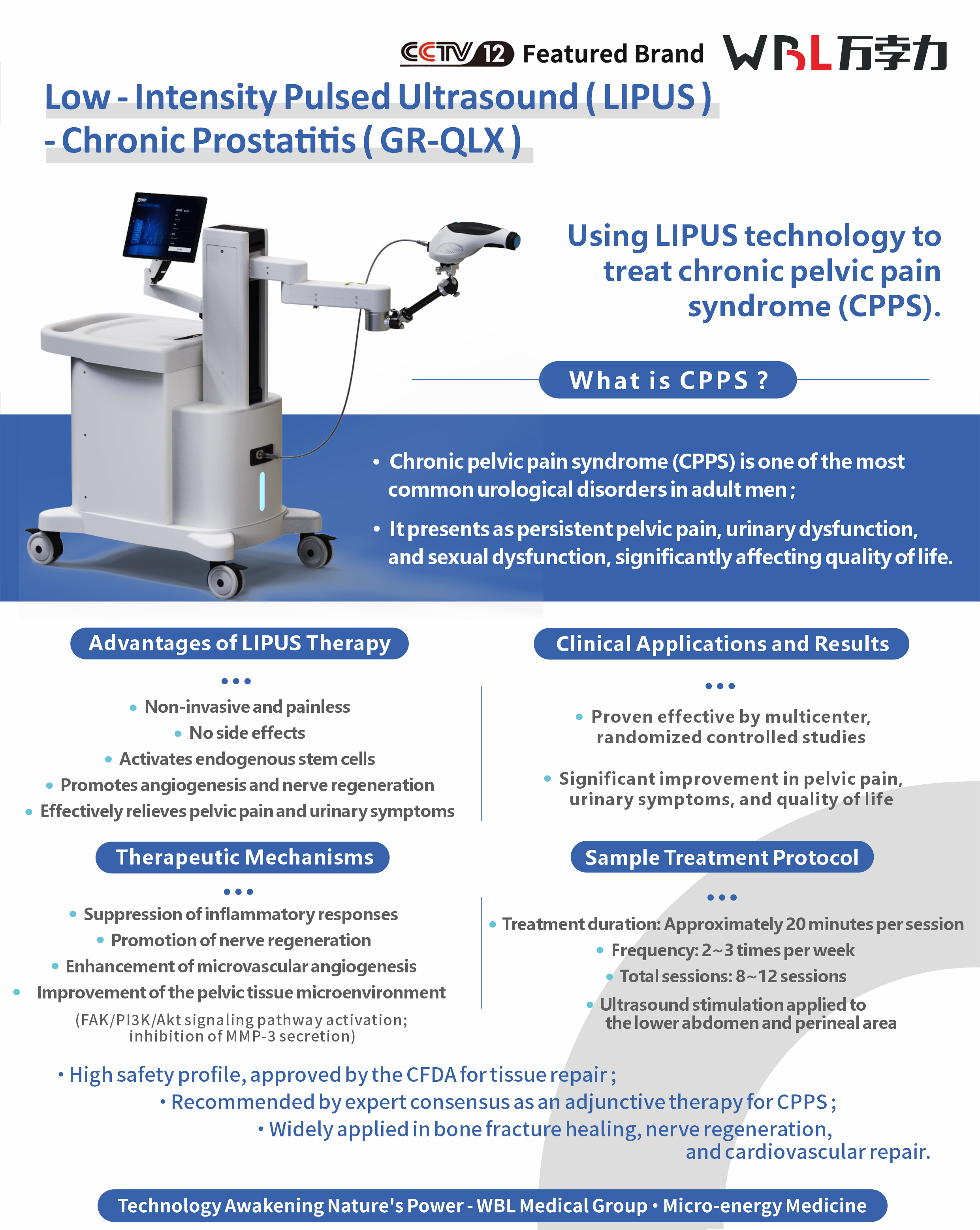
The WBL Extracorporeal Pulsed Ultrasound Pelvic Floor Treatment Platform offers a non-invasive treatment option that overcomes many of the limitations of traditional treatments, providing a safe and effective solution for patients.